
The Standard Line of Boyle & Gamble Naval Officer Swords
By Harvey Ambrose · Originally published November-December 2026 · pp. 42–53
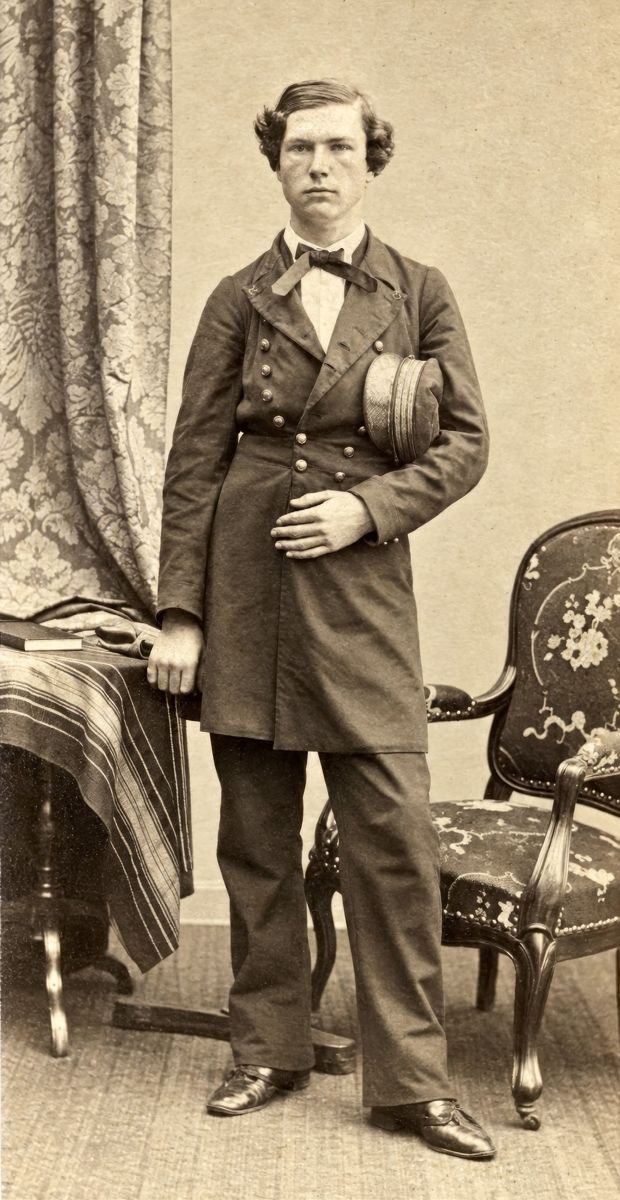
Confederate sword collectors know that the regulation-pattern Confederate Naval Officer Sword was likely designed by George T. Sinclair, C.S.N., and was manufactured in England by Robert Mole & Sons of Birmingham and by Firmin & Sons of London. Although I had long been aware of these beautiful foreign-made swords, I remained ignorant for 33 years that a standard line of Confederate Naval Officer swords had also been produced locally within the Confederacy. That changed in 2010, when one appeared on my doorstep.
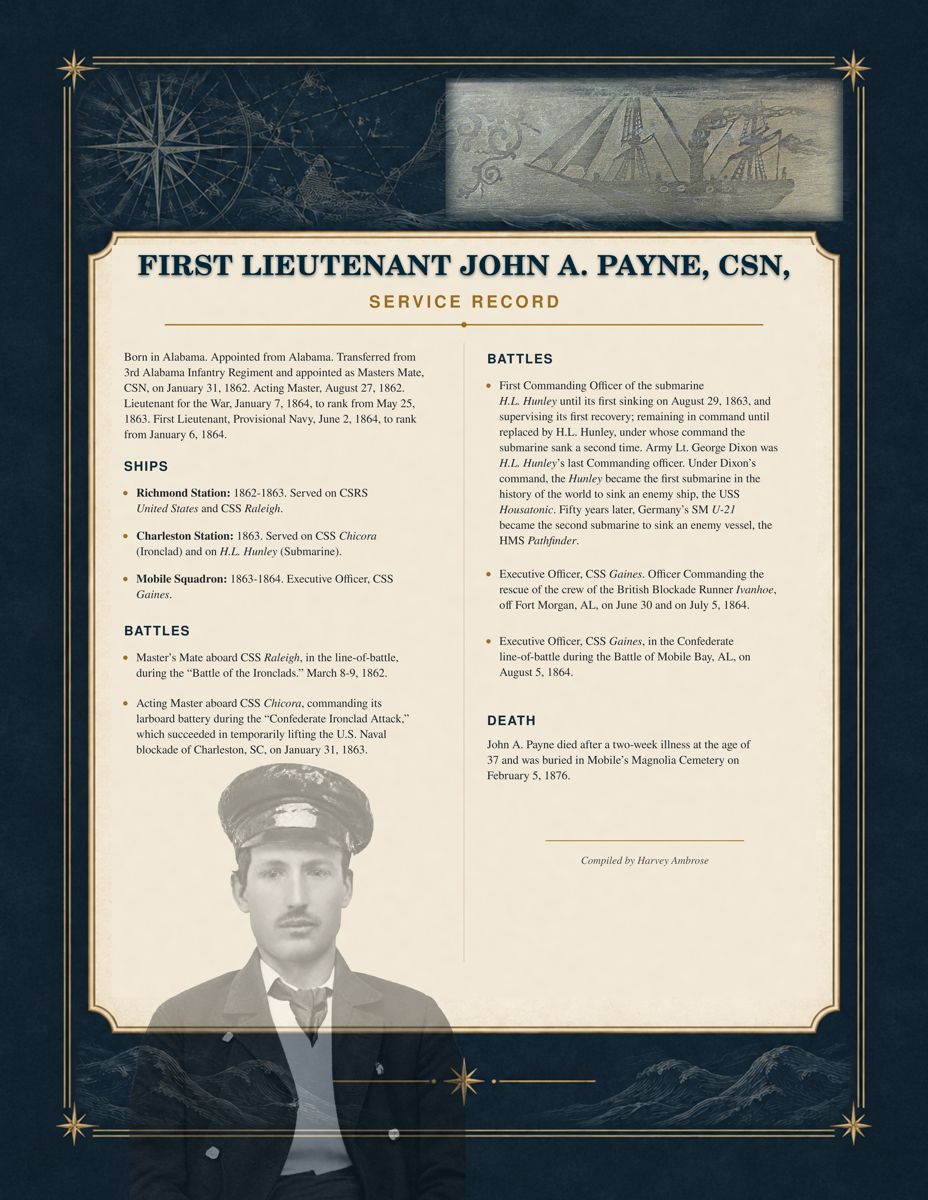
Having purchased at auction in 2010 what I believed to be a Boyle & Gamble (hereafter “B&G”) Foot Officer’s sword, I discovered upon delivery that I had in fact acquired a presentation B&G Confederate Naval Officer Sword. Its original owner was 1st Lieutenant John A. Payne, C.S.N. After much study of the sword and its first owner, I published an article about Lieutenant Payne and his sword in the August 2013 issue of Man at Arms magazine (see p. 11, pp. 22–24, and 32–34, of that issue).
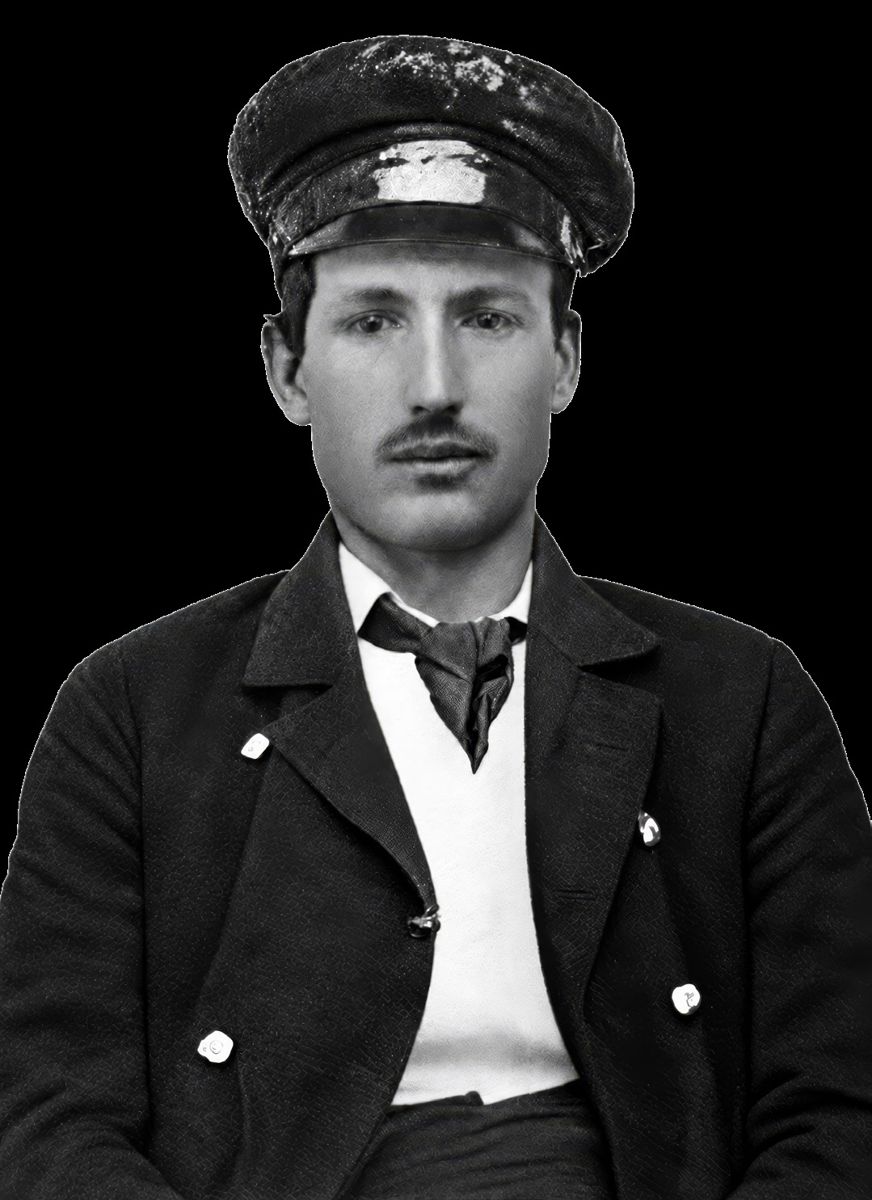
During the course of this research, and with information provided by Shannon Pritchard, I obtained contact information for John W. McAden Jr., who owns another sword of the same pattern, though with different etching. McAden graciously allowed me to photograph his sword and publish those photographs. He also related that a collector friend of his had handled and carefully inspected a third such sword, reported to be exactly like the one owned by McAden, even down to the same etching pattern, although McAden himself had been unable to see it.
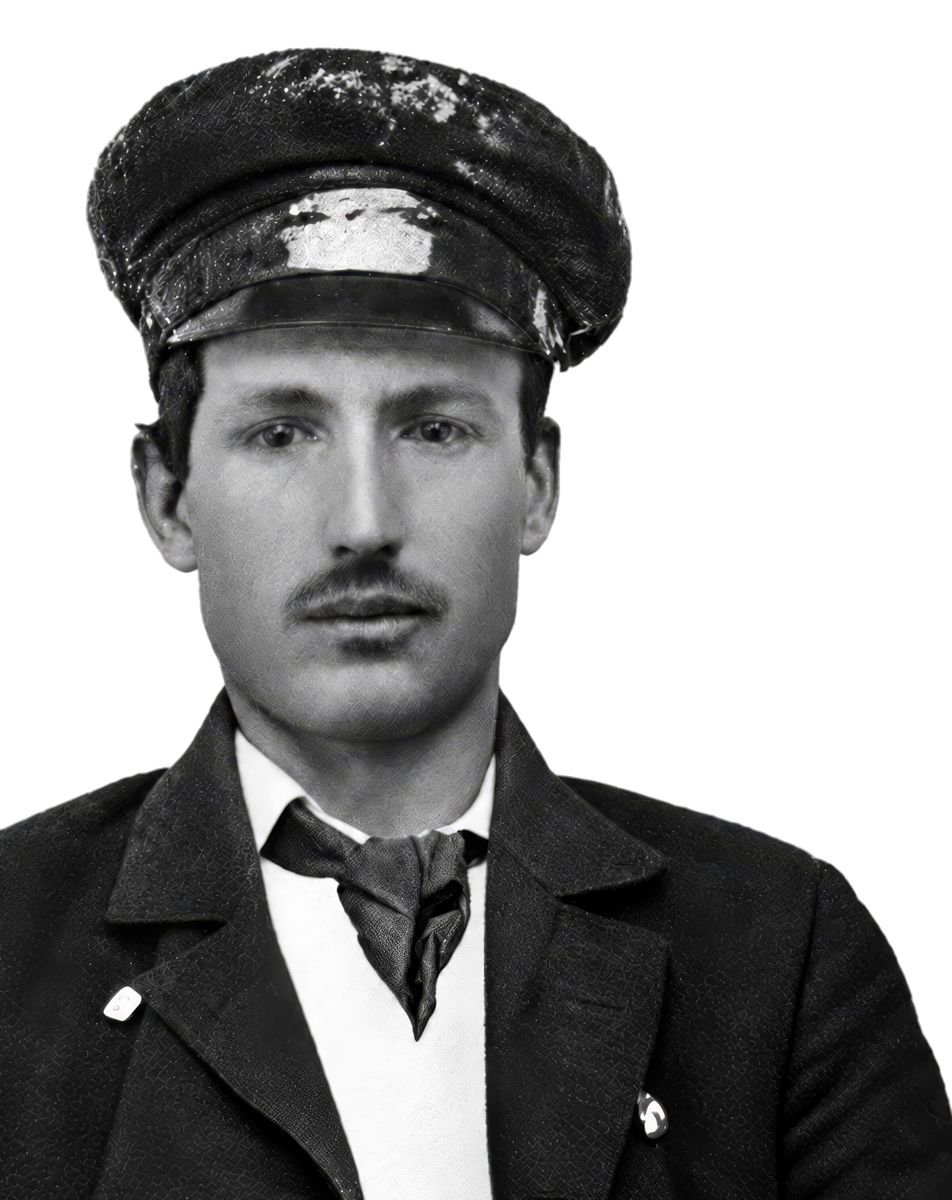
Lieutenant John A. Payne, C.S.N. (Dale Snair Collection, digitally enhanced by Bryce Harman, Cut Bank Graphics)

Years later, I was sent photographs of a fourth example of this standard-pattern naval officer sword, one that had been presented to Midshipman James H. Dyke, C.S.N.
Although I have personally examined only two of these swords—my own and McAden’s—the fact that McAden’s friend handled and inspected a third, together with the photographs I received of a fourth example, confirms that all four swords share the same blade length, width, and conformation, a conformation unique to this pattern.
Midshipman James H. Dyke. (Poulin Antiques & Auctions Inc.)
Newspaper clipping about the sinking of the H.L. Hunley submarine from the Camden Confederate (Camden, South Carolina), Friday, September 4, 1863, page 1. Previously published in the Charleston Daily Courier (Charleston, South Carolina), Monday, August 31, 1863, page 1.
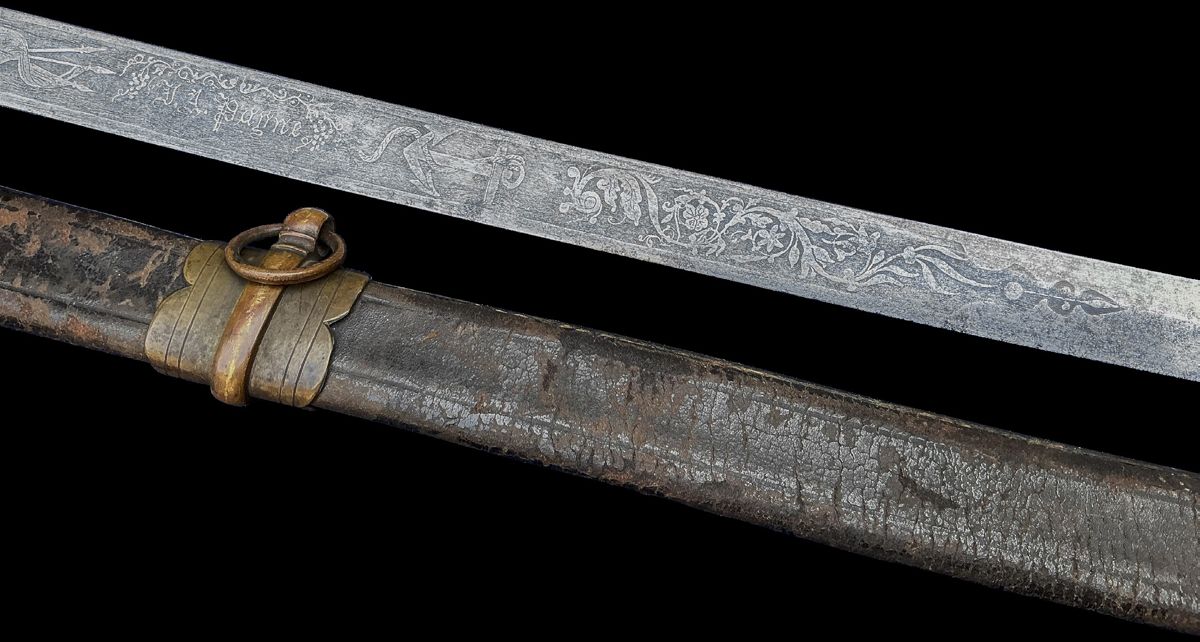
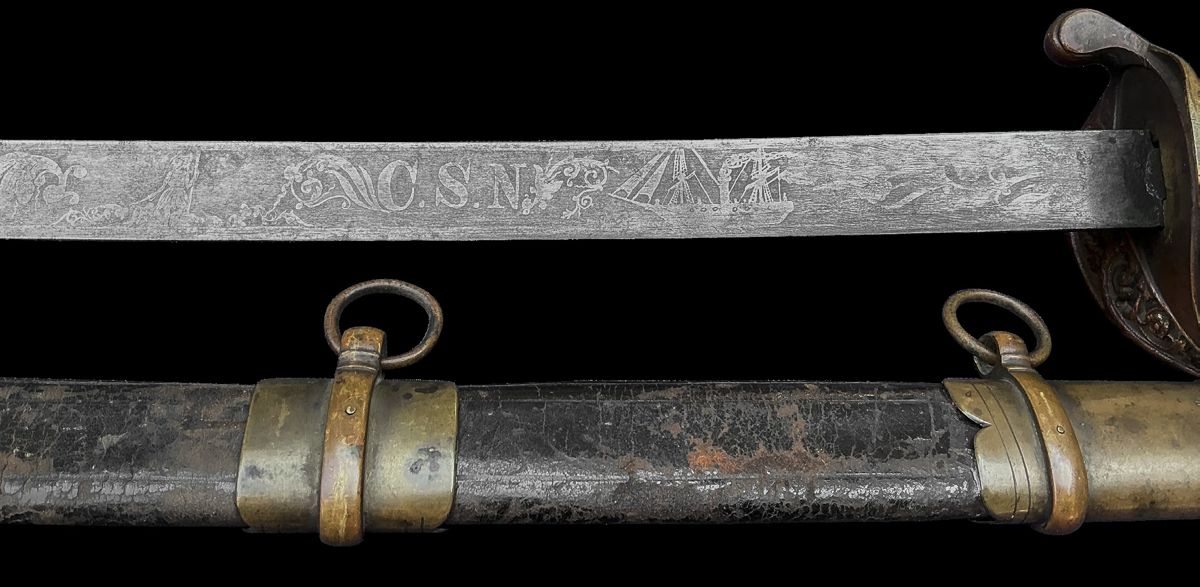
Inscribed Boyle & Gamble Confederate Naval Officer’s Sword of First Lieutenant John A. Payne
Inscribed Boyle & Gamble Confederate Naval Officer’s Sword of Midshipman James H. Dyke
(All Payne sword photographs by Harvey Ambrose)
Payne’s Oath of Allegiance, signed in November 1865.
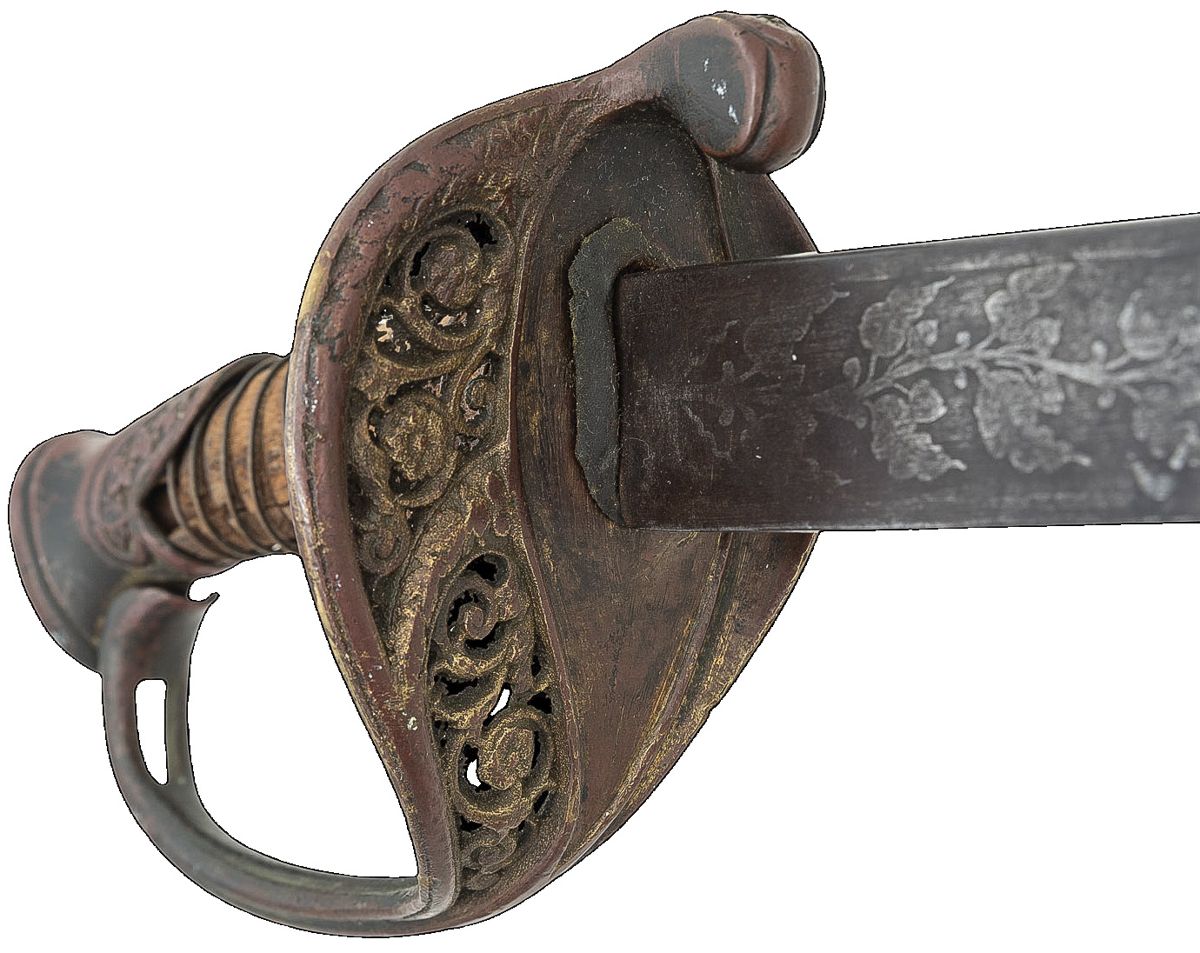
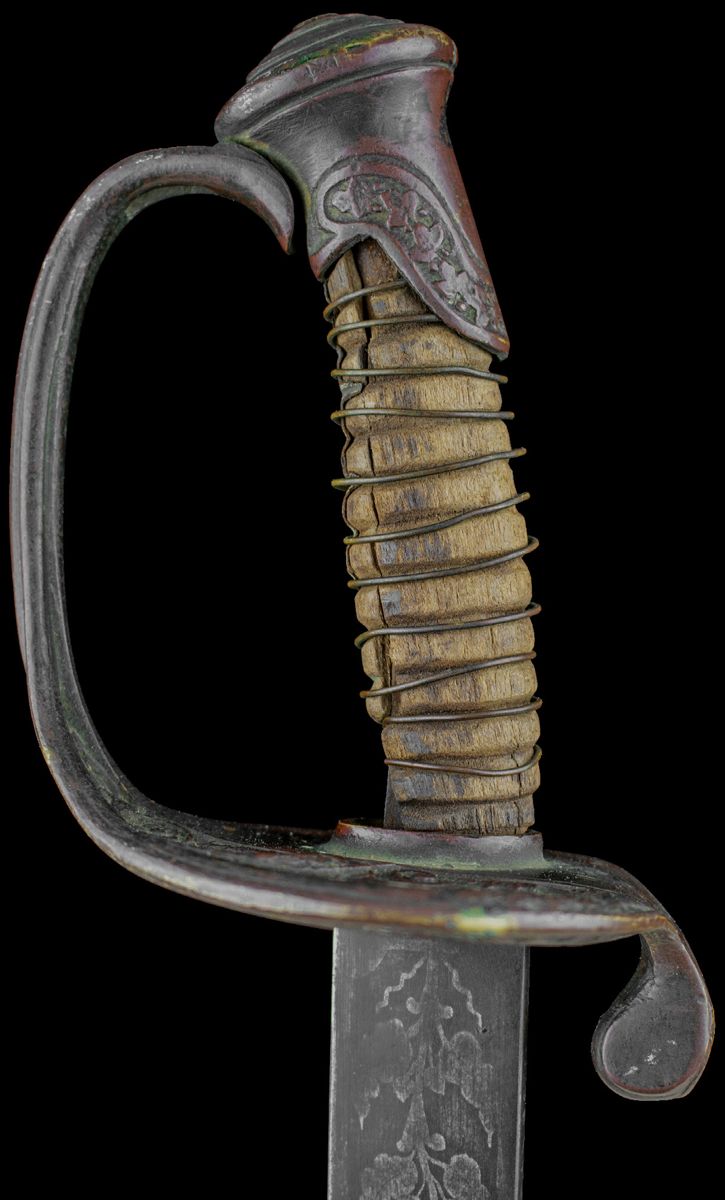
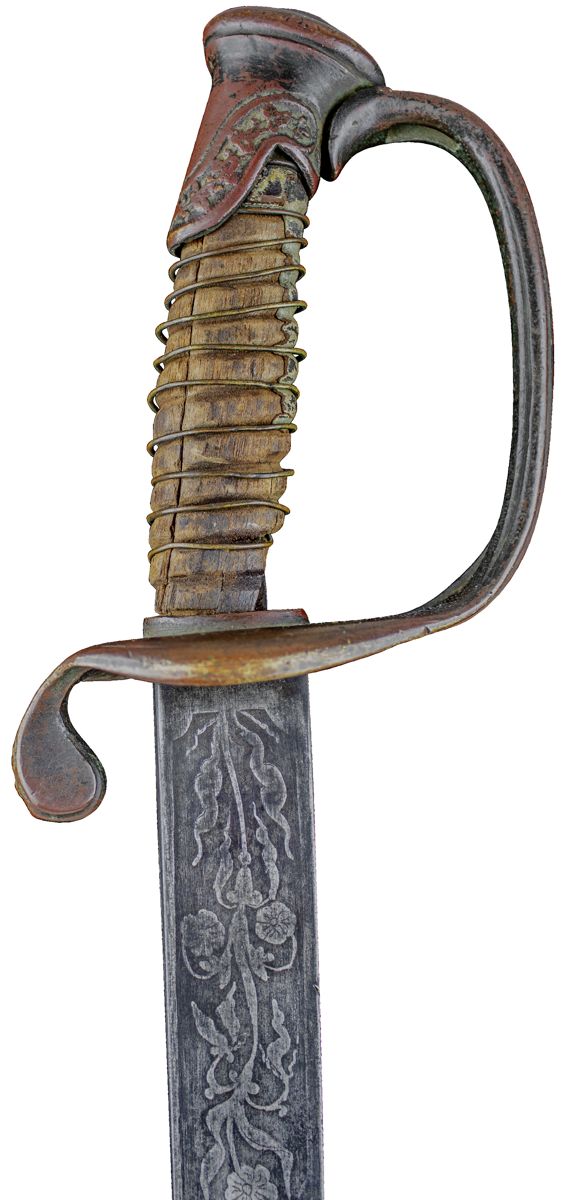
All four utilize the same pattern brass guard, identical to B&G’s standard Foot Officer pattern, and either the laurel-leaf or ivy-leaf decorated standard B&G pommels. The three swords known to retain scabbards share essentially the same style of scabbard, with only minor differences in the “V” notches on their brass mounts. These notches appear to be unique to the B&G Naval Officer pattern.
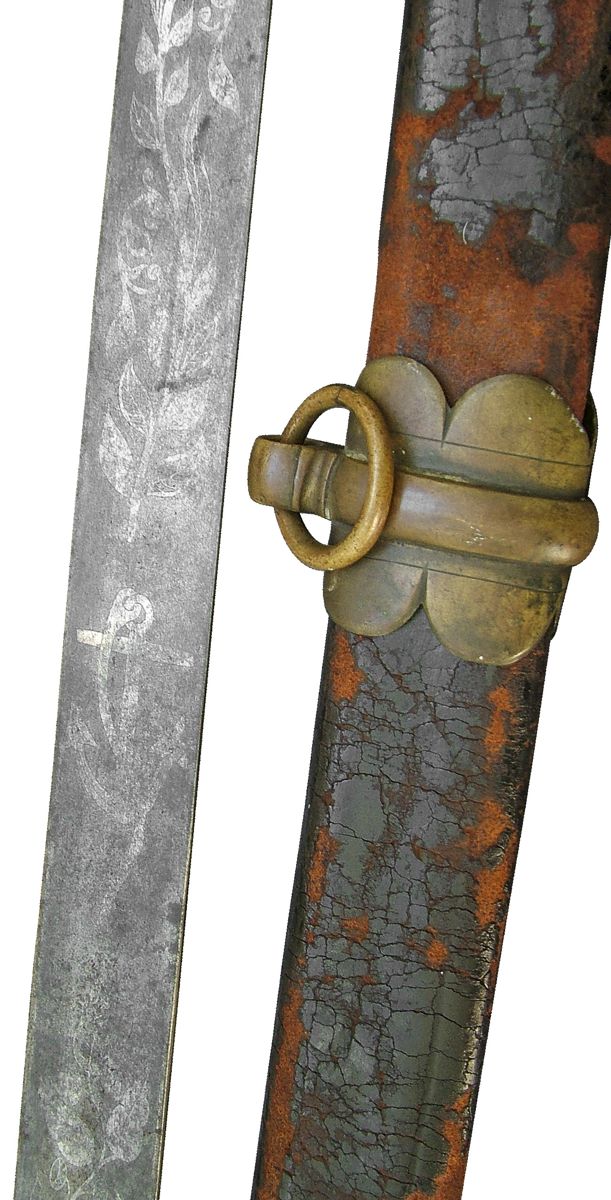
All four swords have a flat blade, with no fuller at all, and a flat spine that, about 12 inches from the point, begins a quick transition to a false edge.
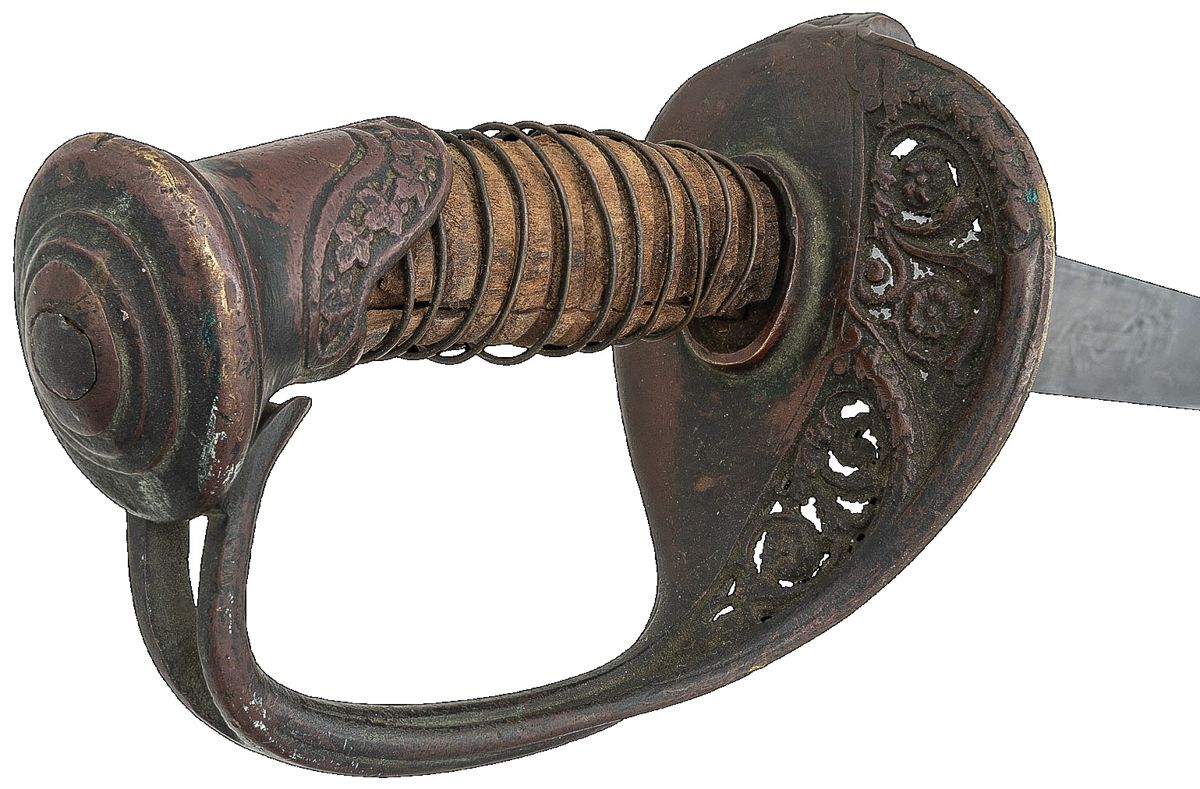
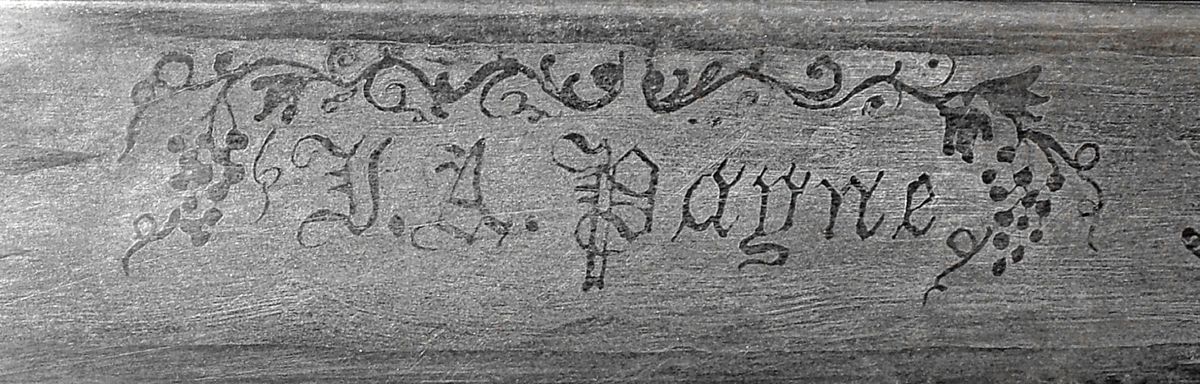
Payne sword panels.
The dimensions of the John A. Payne sword are as follows:
◊ Overall length, excluding scabbard: 32 inches
◊ Blade length: 26 ¹⁵⁄₁₆ inches
◊ Blade width at ricasso: 1 ³⁄₁₆ inches

While all four blades appear to be identical in size and shape, their etching differs between the presentation swords and those that were not presented.
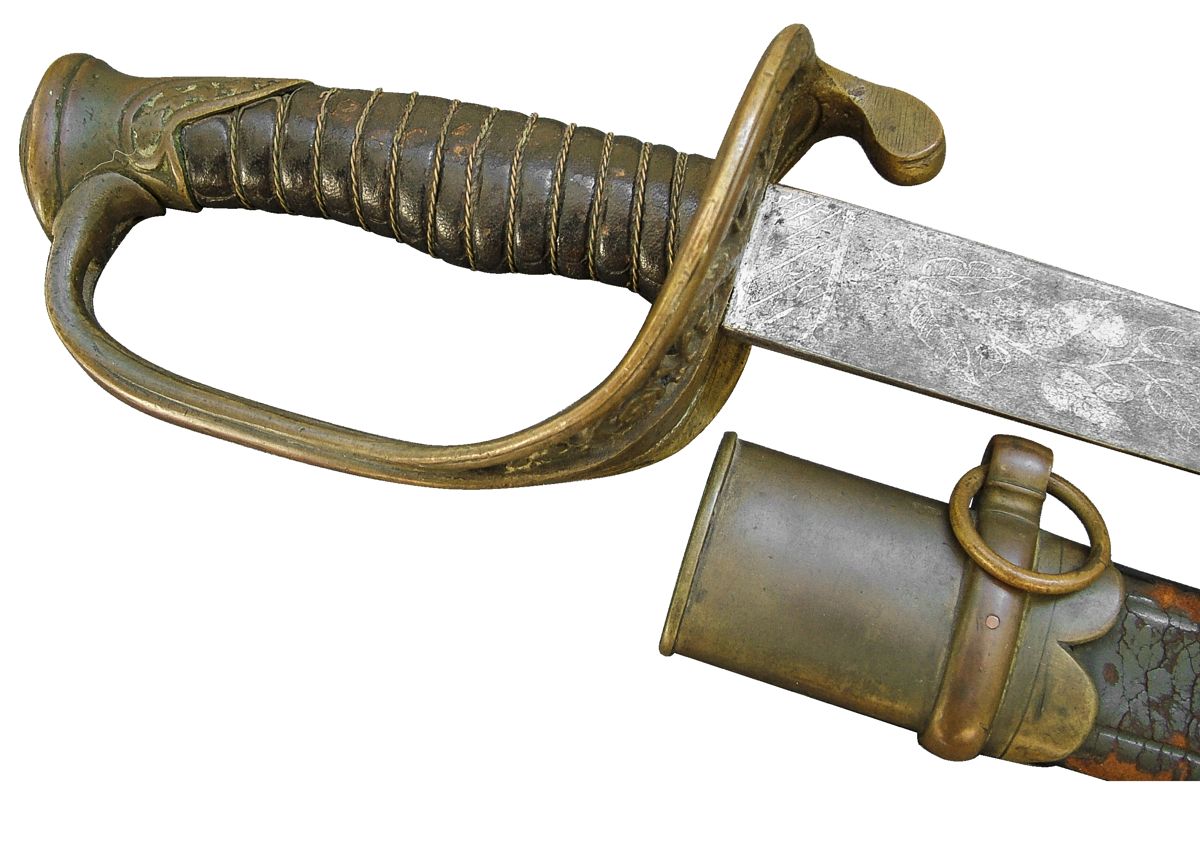
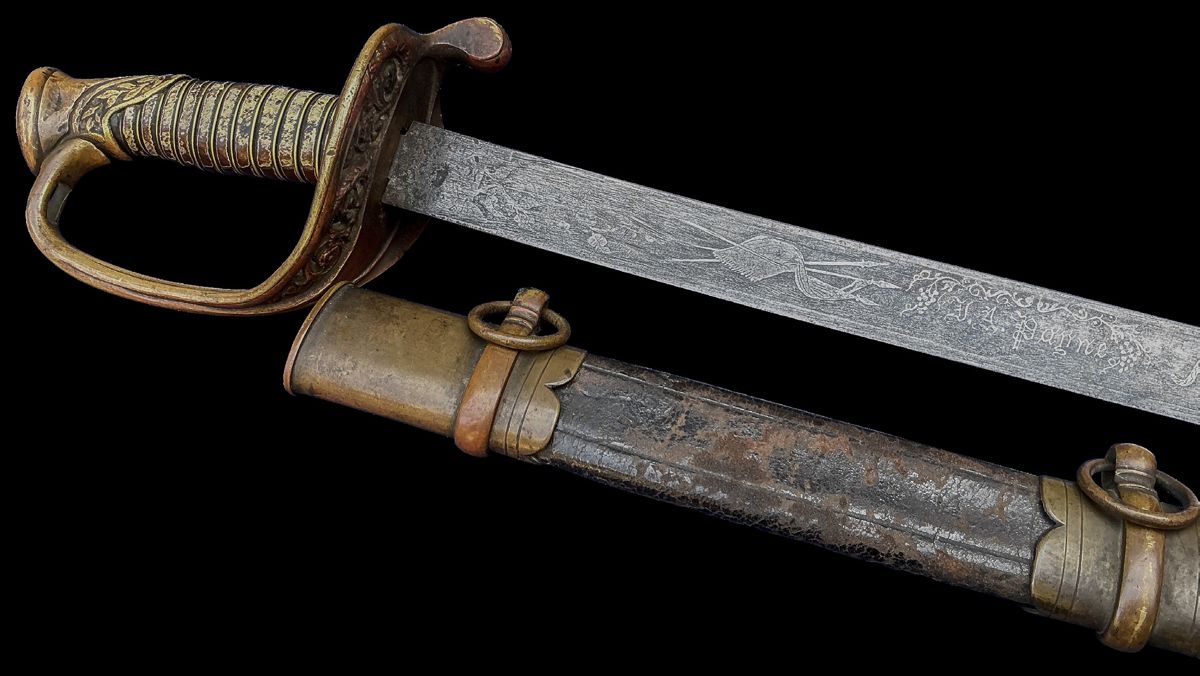
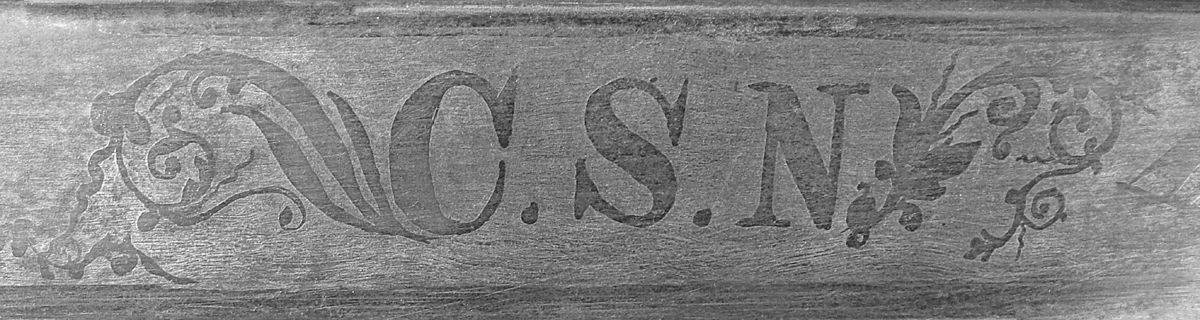
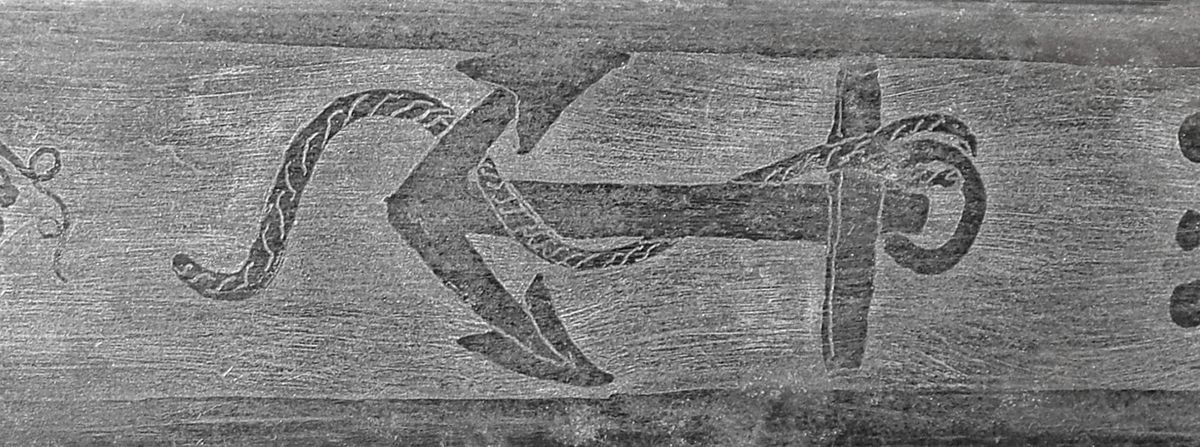
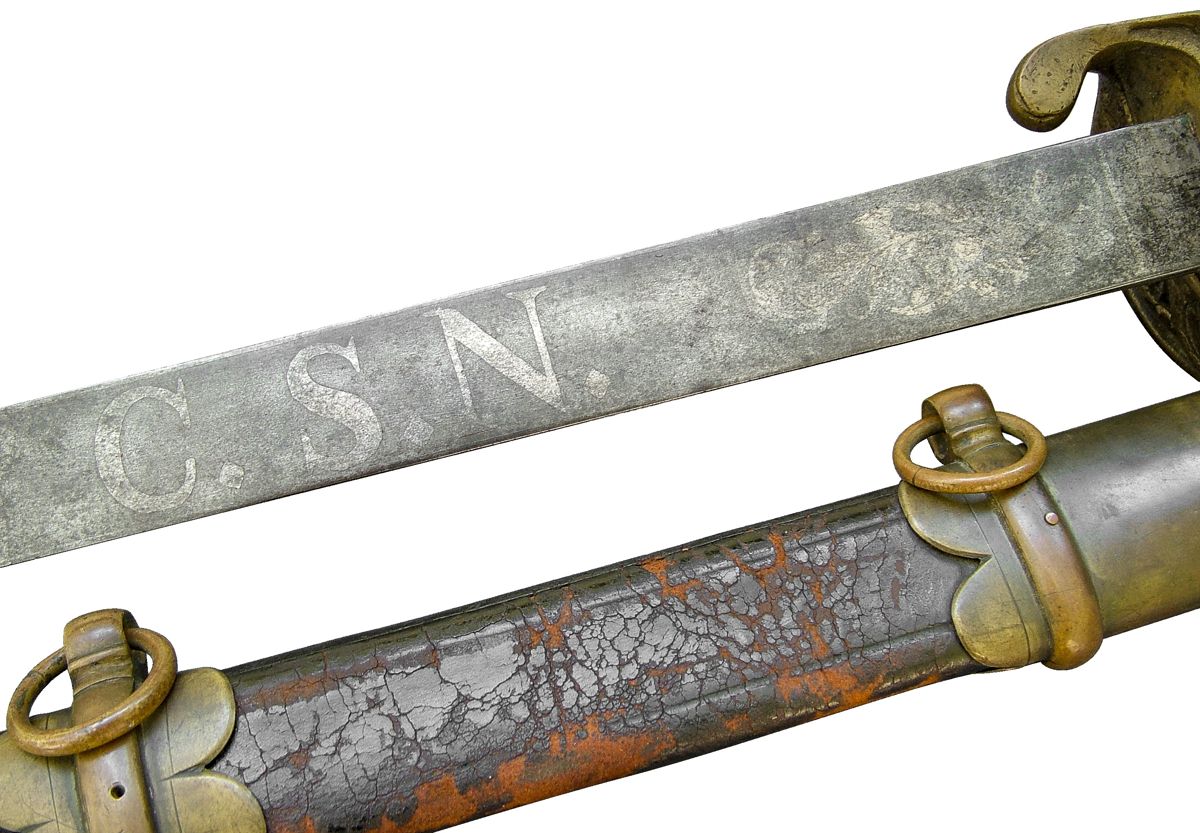
McAden’s sword was not a presentation sword, nor was the third sword examined by his friend. According to McAden, the etching on his sword and on the third sword was identical. As shown in the photographs, McAden’s sword etching consists of fine, lightly etched floral patterns typical of B&G infantry swords. Important differences include the substitution of “C.S.N.” for the infantry “C.S.A.” on the reverse of the blade, and the addition of a fouled anchor on the obverse side.
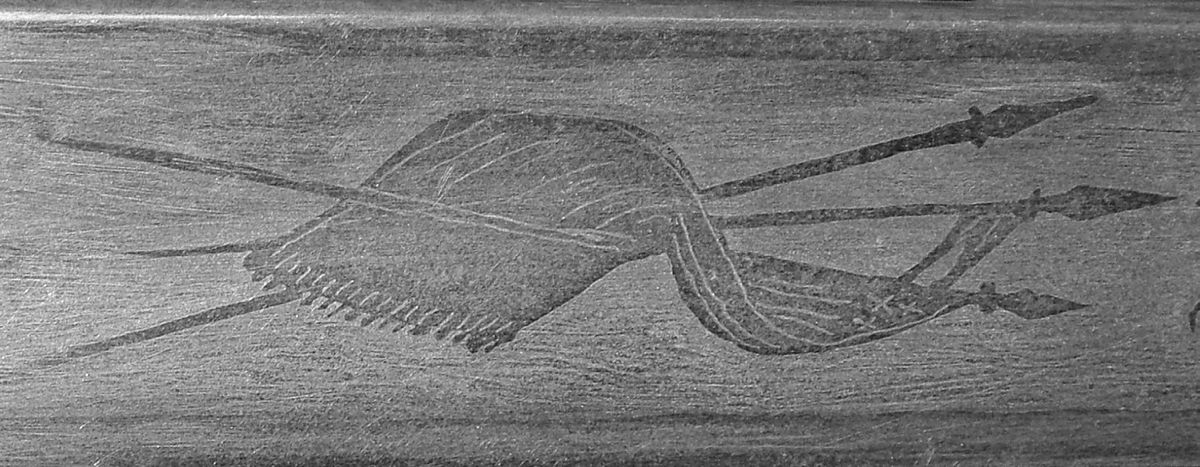
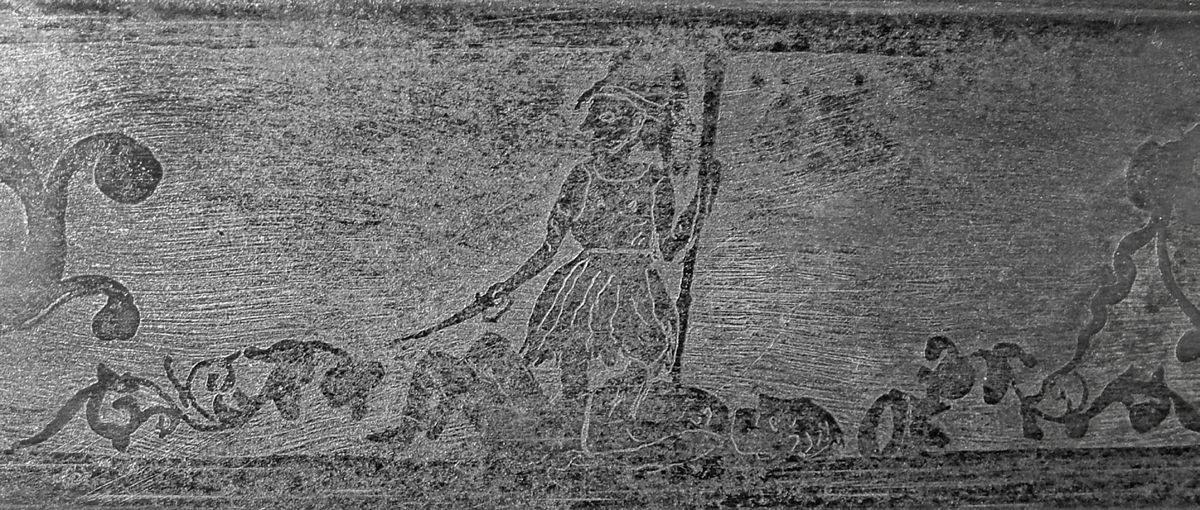
The swords presented to 1st Lt. John A. Payne, C.S.N., and Midshipman James H. Dyke, C.S.N., possess etching obviously unique to the officers to whom they were presented. However, a commonality of pattern exists between the two, inasmuch as both use deeper, bolder etching, featuring floral designs on either side of central motifs that include Confederate warships, the owner’s name, and fouled anchors. As shown in the photographs, 1st Lt. Payne’s sword features a central etching panel depicting a stand of flags, “J.A. Payne,” and a fouled anchor on its obverse. Its reverse etch panel features the Virginia State Seal, “C.S.N.,” and the cruiser CSS Sumter. Finally, the spine of Payne’s sword is etched with a simple floral pattern for about half its length. Midshipman Dyke’s sword features a central etching panel consisting of a fouled anchor, “Jas. H. Dyke,” and the muzzle of a smoking cannon barrel. Its reverse etch panel features a sunburst, “C.S.N.,” and a Confederate ironclad warship.
Of particular interest, 1st Lt. Payne’s sword depicts the CSS Sumter, a high-seas cruiser, yet all of Payne’s assignments were in coastal or inshore waters. Midshipman Dyke’s sword depicts a Confederate ironclad, yet Dyke’s most important assignments were aboard Confederate cruisers on the high seas. This article presents brief histories of these two officers.
To my knowledge, the two vessels depicted on these two blades constitute the only portrayals of known Confederate ships of war on Confederate-made swords. While a few other Confederate-made swords exist that have ships depicted in their etching, those vessels have no distinctly Confederate appearance.
It is hoped that these rare swords, having now come to light and been described herein, will advance the body of knowledge concerning Confederate swords and prove of value to those who possess a keen interest in the Confederate States Navy.
About the Author Harvey Ambrose is a veteran (Major, U.S. Artillery) and a retired executive of the electric power production industry. He began collecting swords in 1977 after inheriting from his grandfather the sword of Capt. John Young Murry, Co. A, 34th Miss. Inf. Captain Murry was a great-grandfather of the author, William Faulkner. That first sword led to decades of studying and collecting Confederate swords, Bowie knives, and cannon. Harvey prefers items produced in the Western Confederacy, but is glad to have a few special items from back East.
Lieutenant John A. Payne, CSN, of CSS Gaines, directed the firefighting and rescue effort aboard the grounded British blockade runner Ivanhoe near Fort Morgan during the night of July 5–6, 1864. Payne was overcome three times by smoke and gas and was revived through artificial respiration after being carried unconscious to the deck. George S. Waterman, who participated in the operation, later recorded Payne’s actions in the Confederate Veteran magazine.(George S. Waterman, “Afloat—Afield—Afloat: Notable Events of the Civil War,” Confederate Veteran 10, no. 11 (November 1902): pp. 496–497.)
Photographs on this page courtesy Poulin Antiques & Auctions Inc.
This exceptionally rare Confederate naval officer’s sword was manufactured by Boyle & Gamble of Richmond, Virginia, during the summer of 1862.
The 27-inch, flat saber-ground blade terminates in a 10-inch sharpened spear point. Its etched decoration includes a representation of the ironclad CSS Richmond, Dyke’s name—“Jas. H. Dyke”—and a large “CSN” panel incorporating a fouled anchor, oak leaves, and acorns. The copper-rich brass hilt follows Boyle & Gamble’s interpretation of the Model 1850 pattern and features floral ornamentation and cast ivy-leaf decoration on the pommel.
James H. Dyke was born in Florida in 1846. The son of a prominent Tallahassee newspaper editor, he initially served with the Leon Guards, Company D, 2nd Florida Infantry, before receiving an appointment as an acting midshipman in the Confederate States Navy on September 24, 1861. His assignments included CSS Patrick Henry, CSS Richmond, and the celebrated commerce raider CSS Florida. He later served abroad and joined CSS Rappahannock at Calais, France. (Poulin Antiques & Auctions Inc.)
(Photographs on this page by Simon Rycroft.)
John McAden’s sword, illustrated here, was not a presentation weapon, nor was the third sword examined by his friend.
McAden reported that the etched decoration on his sword was identical to that found on the third example. As these photographs demonstrate, the blade bears fine, lightly etched floral ornamentation characteristic of Boyle & Gamble infantry officers’ swords. The principal differences reflect its intended naval use. On the reverse of the blade, the naval designation “C.S.N.” replaces the customary infantry marking “C.S.A.” The obverse features a fouled anchor, an unmistakable naval device that further distinguishes the sword from Boyle & Gamble’s standard infantry pattern.
Boyle & Gamble: Richmond’s Confederate Edged-Weapon Makers
Boyle & Gamble was one of the Confederacy’s most productive edged-weapon manufacturers, operating in Richmond, Virginia, throughout the Civil War. The firm began as Boyle, Gamble & MacFee before settling into its better-known partnership, Thomas Boyle and Robert Gamble, and quickly became a principal supplier of swords and sabers to Southern forces once the Federal blockade cut off imported blades.
The company produced cavalry sabers, foot officers’ swords, and staff and field officers’ swords. Construction relied on brass hilts, leather-wrapped grips bound with twisted wire, and steel blades of varying quality, reflecting the South’s limited access to fine steel stock and skilled cutlers as the war ground on.
(John McAden Jr. sword photographs by Harvey Ambrose)