A Rare Singer Model 1911a1 .45 Acp Pistol
Courtesy Rock Island Auction Company · Originally published May-June 2025 · pp. 16–25

A Rare Singer Model 1911A1 .45 ACP Pistol Courtesy Rock Island Auction Company
About the Singer Manufacturing Company Singer Sewing Machine Company, a global leader in sewing machine manufacturing, received a government production study in 1939 to design M1911A1 pistol blueprints and standardize raw material sizes. On April 17, 1940, Singer received 500 educational units with serial numbers S800001– S800500. The Ordnance Board of the United States created the educational order to teach gun-making to new businesses. Singer was to produce these pistols for $278,875.67, or $538 per gun. Singer completed its order of 500 1911A1 pistols in December, 1941 but couldn’t achieve the 100 guns a day as required by the government contract. The War Department was impressed with the company’s quality, however, and instead asked them to produce highly-precise aviation components for the Sperry T-1 bomb sight, B-29 bomber gunfire control computers, directional gyroscopes, artificial horizon instruments, and automatic pilot systems. Some of Singer’s pistol tooling and manufacturing machines were shipped to Remington Rand, and some to Ithaca Gun Company. During World War II, 1.75 million 1911A1 pistols were produced by several companies, making the 500 Singer pistols rare collectibles. In 2010, Rock Island Auction Company sold the finest-known surviving Singer pistol for a then-unprecedented $166,000. Seven years later, the auction house sold the same pistol again, where it broke its own record with a stunning $414,000.
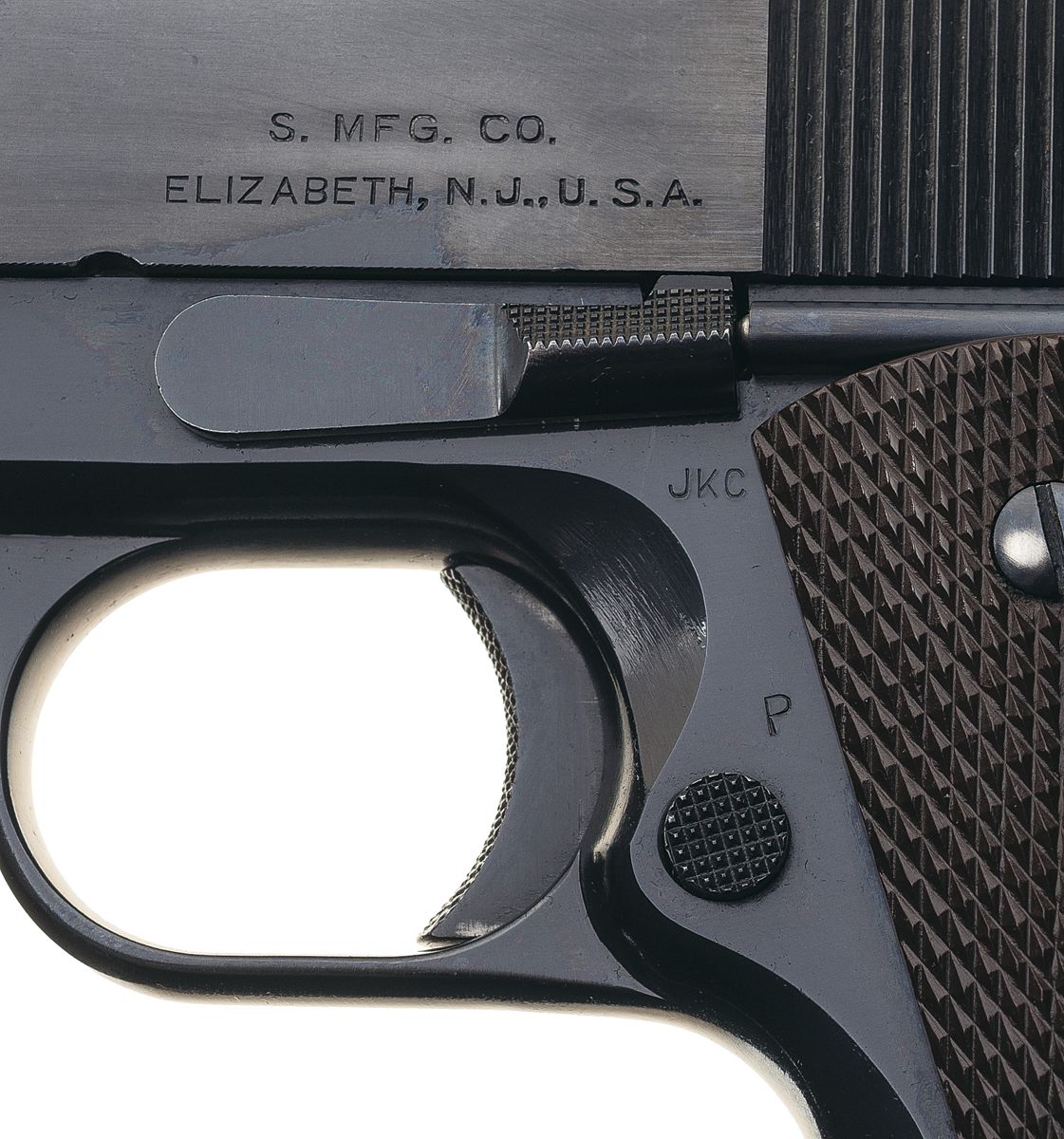
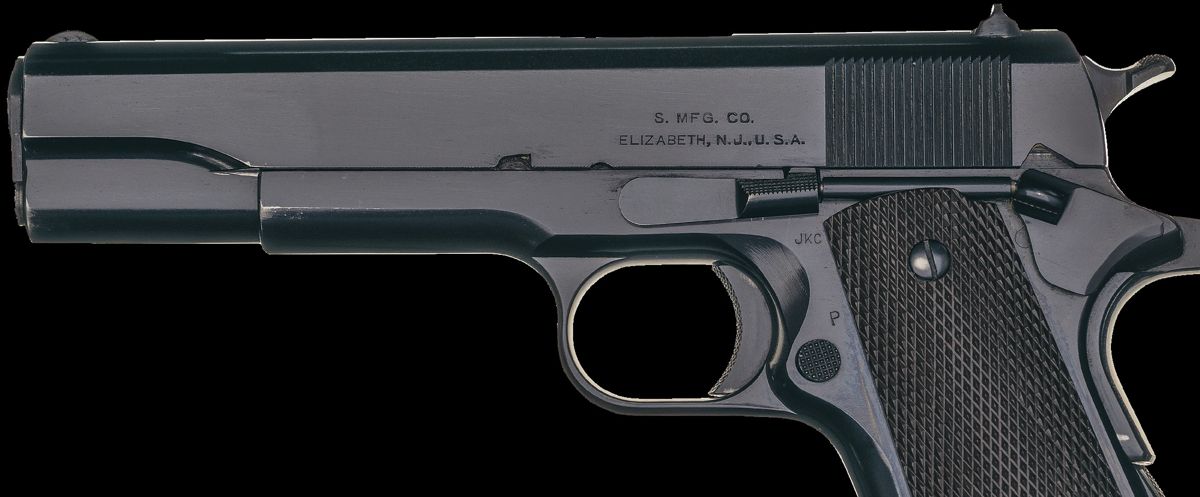
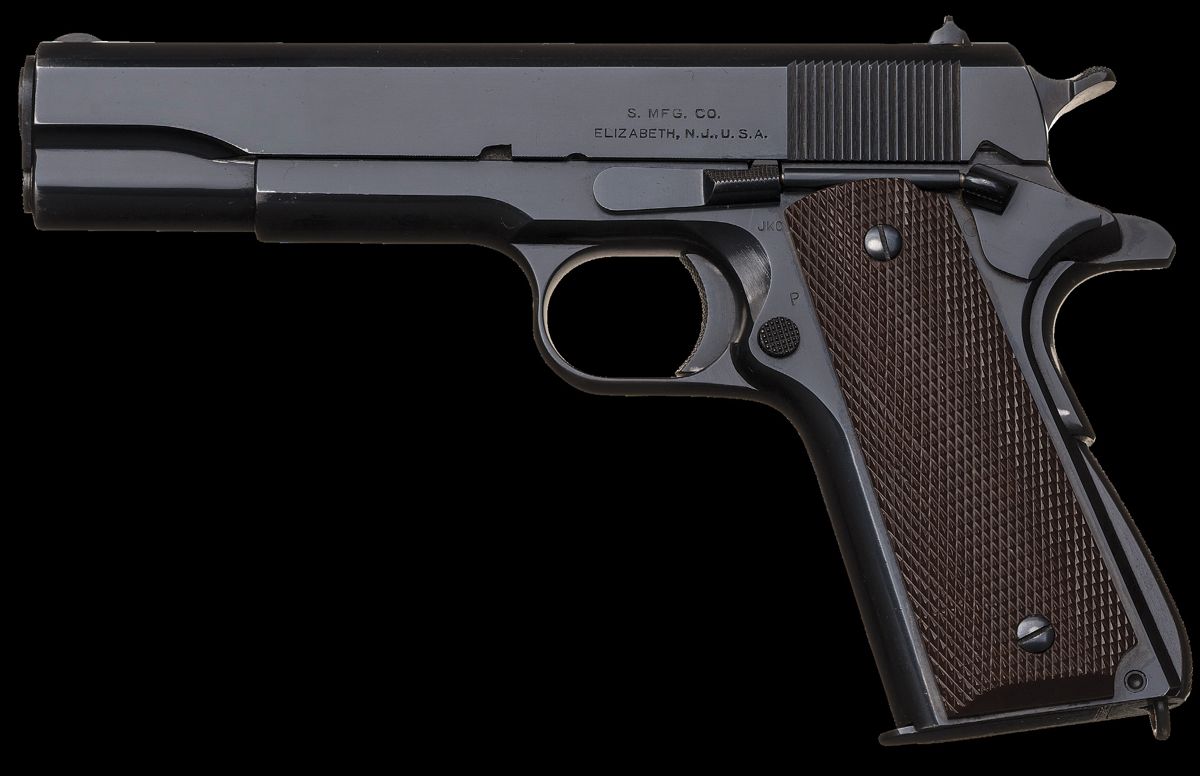
History of this Singer Pistol This is the finest known example of a U.S. Model 1911A1 semi-automatic pistol from the 500 pistols manufactured by the Singer Manufacturing Co. under Educational Order W-ORD-396 in 1940. The 500 Singer pistols were issued primarily to U.S. Army Air Corps squadrons. The pistol has the correct original and unique high gloss blue finish, which is found only on U.S. Singer M1911A1 pistols. The Keyes Fibre stocks are checkered brown plastic and lack the reinforcing rings around the screw holes and interior strengthening ribs found on later production Keyes stocks. The pistol has the correct milled trigger with a checkered face, short wide spur hammer and checkered slide stop, safety lock, and mainspring housing. The left side of the slide is roll-stamped “S. MFG. CO. / ELIZABETH, N.J.,U.S.A.” in two lines.
Workers leaving the Singer Sewing Machine Factory, Clydebank, Scotland. (Public Domain)
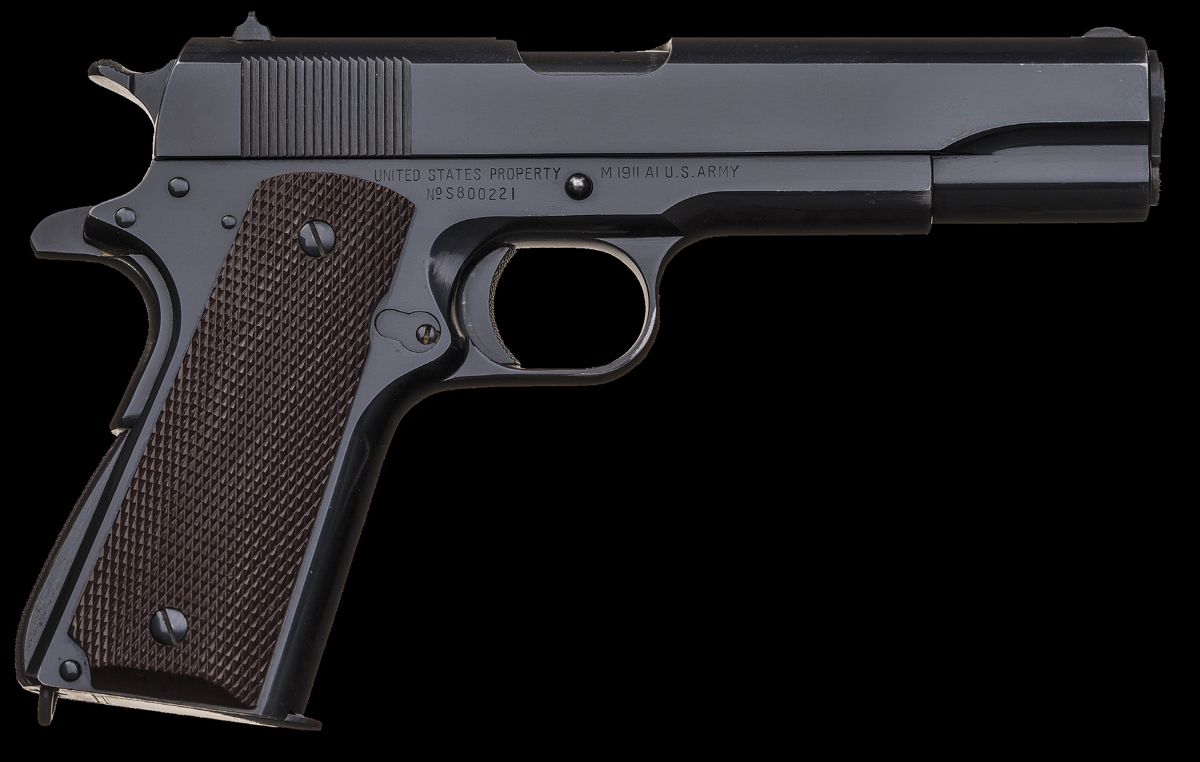
The right side of the frame is roll-stamped “UNITED STATES PROPERTY /M 1911 A1 U. S. ARMY.” The serial number “No S800221” is stamped below the property mark. The serial numbers show a slight misalignment typical of Singer M1911A1 pistols. The left side of the frame is stamped with the “JKC” final inspection mark of Colonel John K. Clement, Commander of the New York Ordnance District. A “P” proofmark is stamped on the left side of the frame above the magazine release, on the top of the slide between the ejection port and the front sight (the “P” faces left), and on the left side of the barrel lug. The barrel has a full blue finish, and the only marking is the “P” proofmark. The pistol has three magazines with high polish, a full blue finish, and oversized floorplate pins.
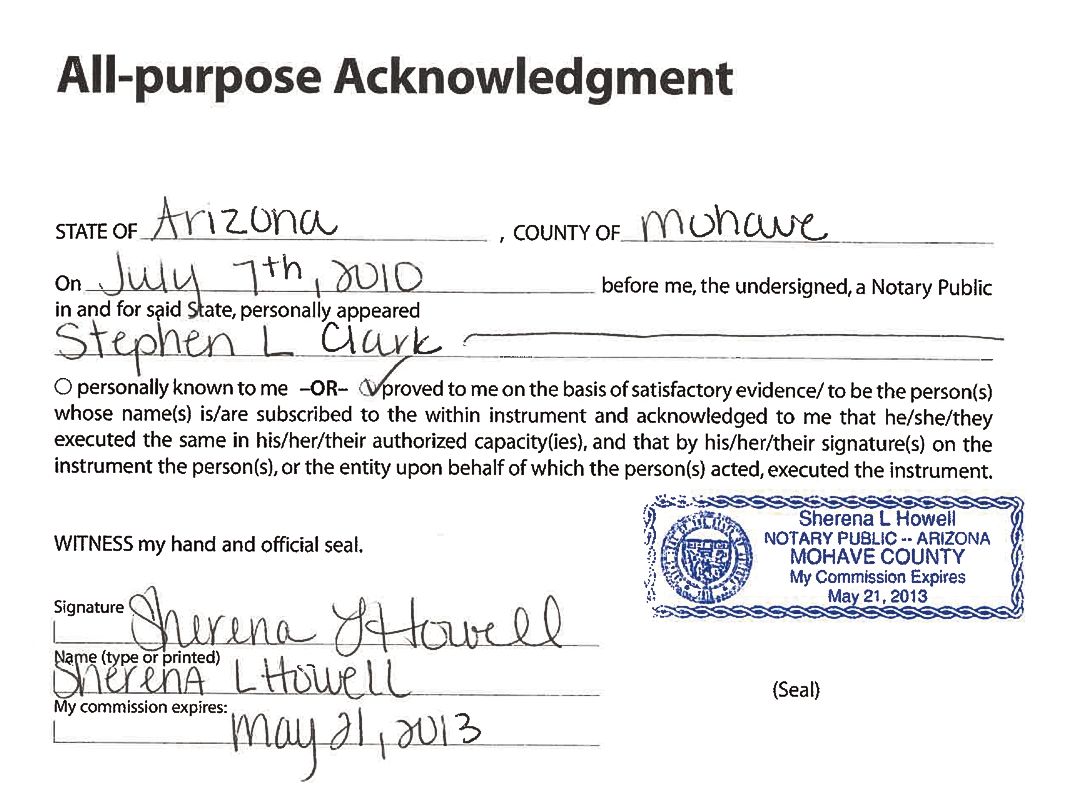
Provenance of SN S800221 This pistol is accompanied by a notarized letter dated July 7, 2010, from Stephen Clark. The letter explains how Stephan’s father, First Lt. Charles H. Clark, was a pilot in the U.S.
The right side of the frame is roll-stamped “UNITED STATES PROPERTY M 1911 A1 U. S. ARMY.”
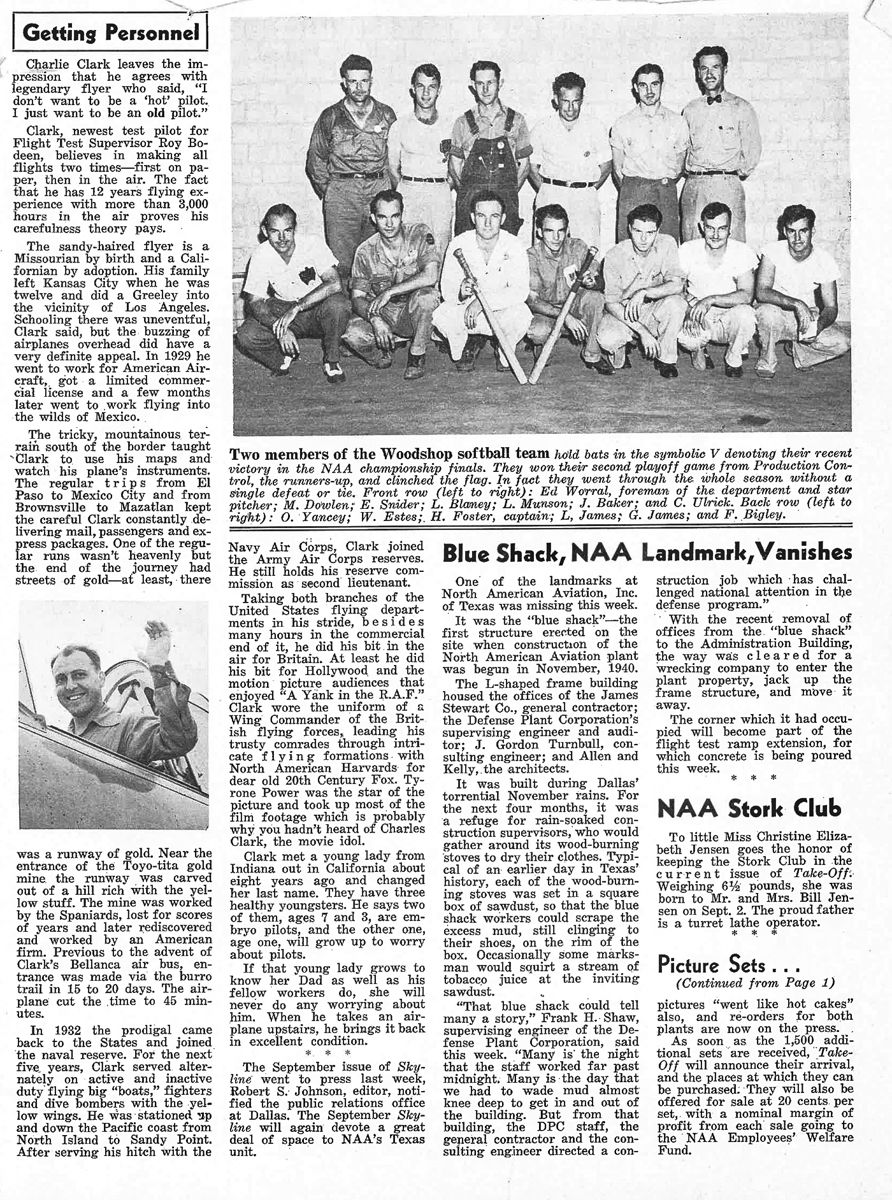
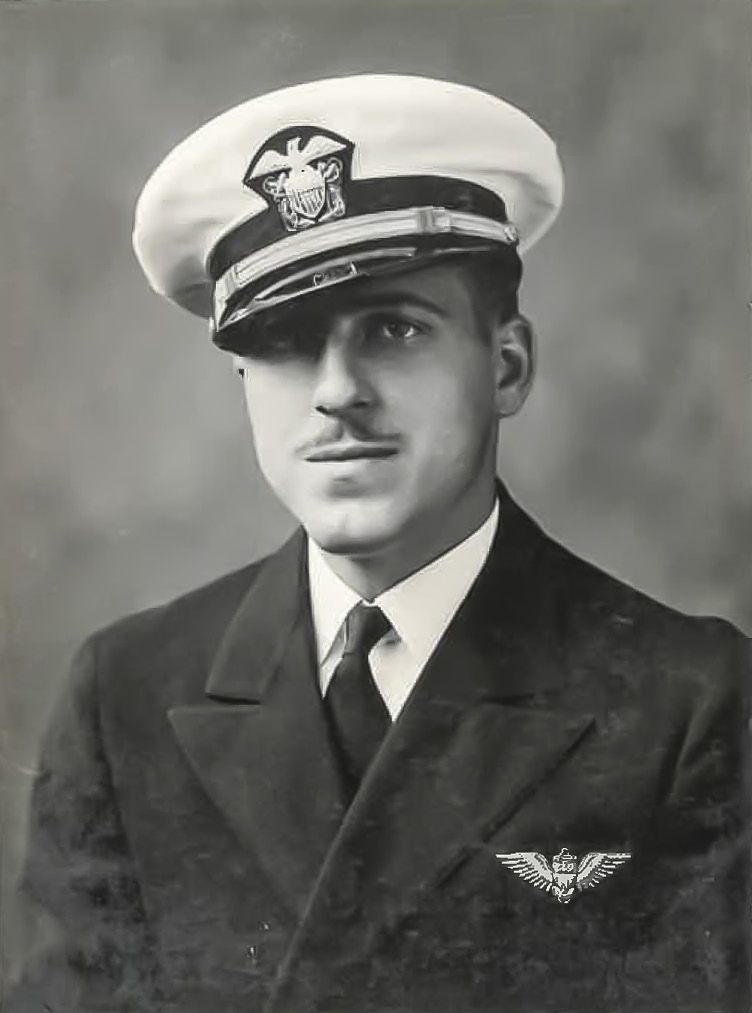
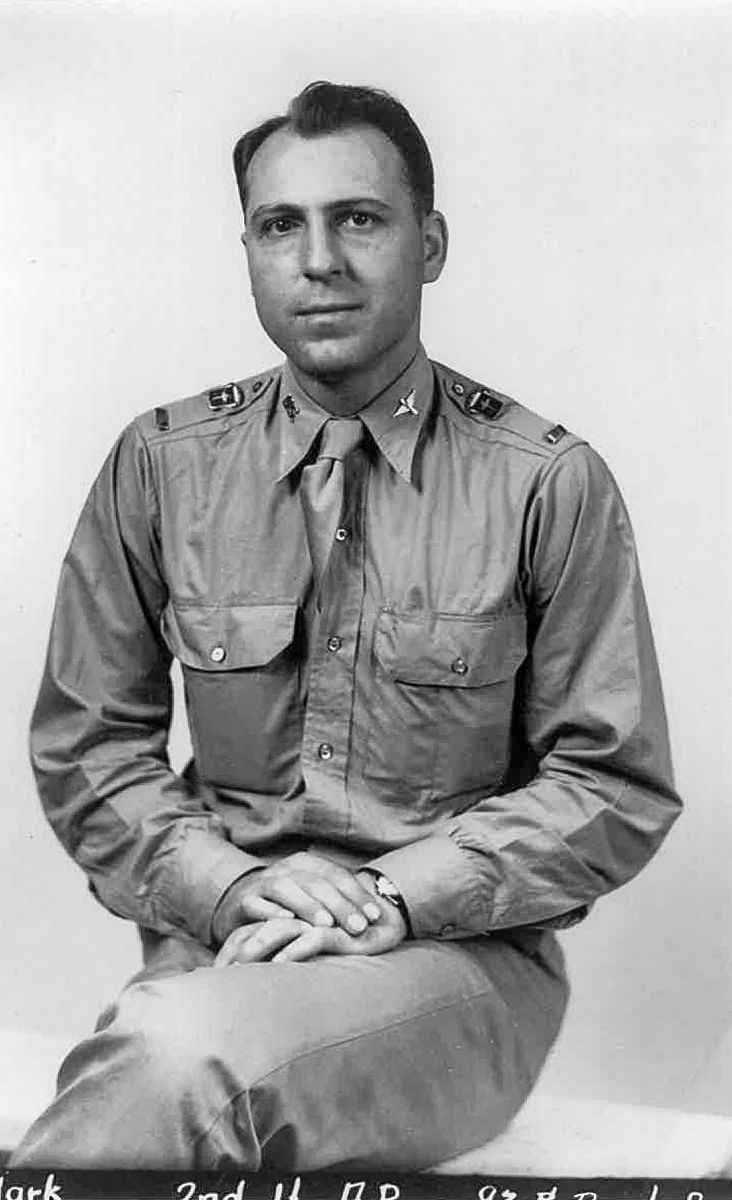
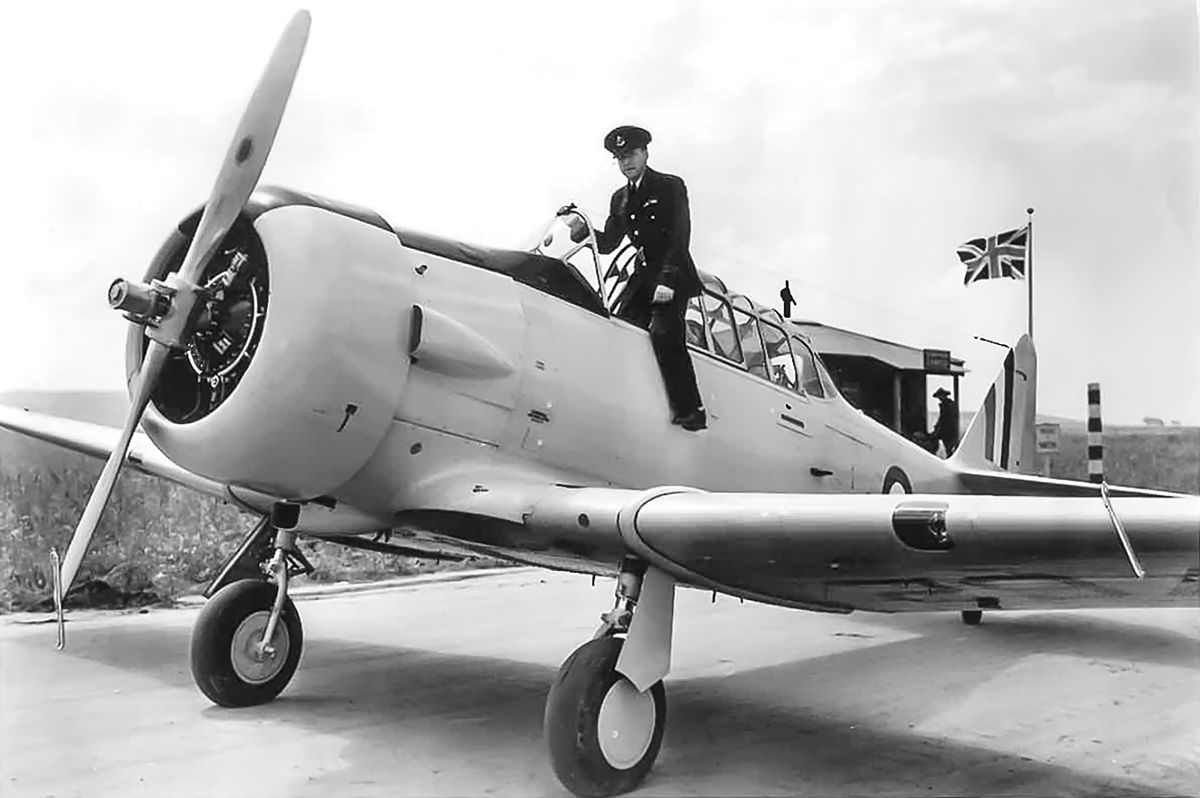
Top left: Lieutenant Clark worked as a test pilot for North American Aviation in 1941 and joined the Army Air Corps in 1942.
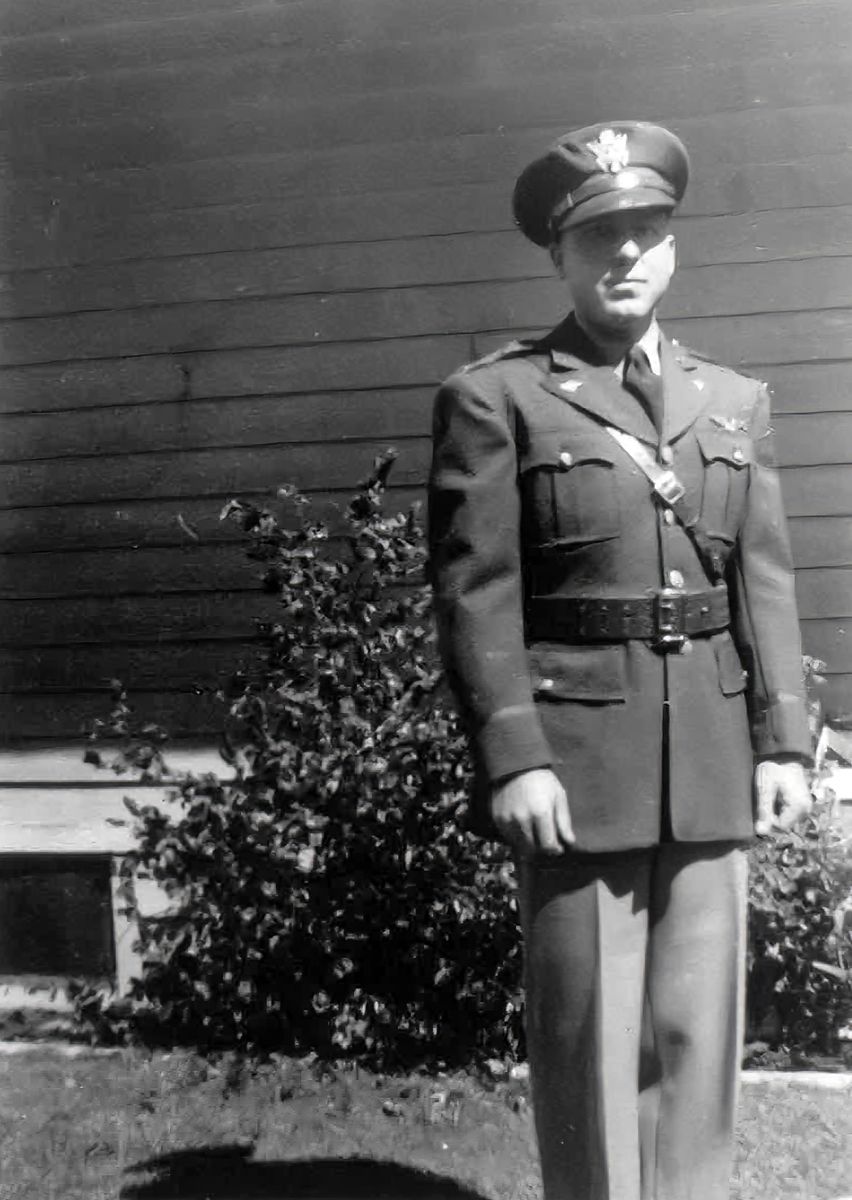
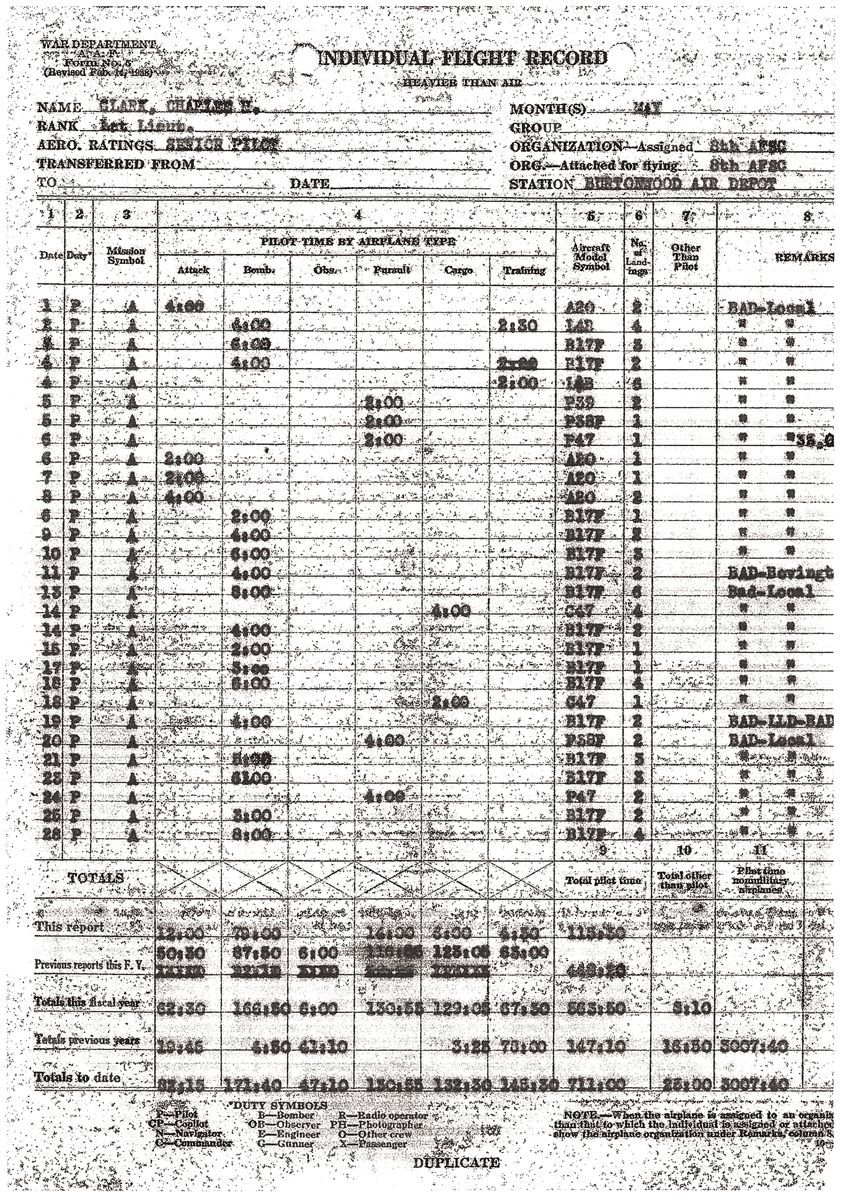
Air Corps during WWII. Prior to his military service, Lieutenant Clark was a pilot for the U.S. Navy Reserve, stationed on an aircraft carrier in Long Beach, Calif. He worked as a test pilot for North American Aviation in 1941 and joined the Army Air Corps in 1942, stationed at Burtonwood Air Depot in England. On May 11, 1943, he piloted a B-17F out of Bovington Field, England, to Iceland to recover bodies and papers from a B-24, which crashed on May 3, 1943. In the crash, the pilot, co-pilot, four crewmen, and eight passengers were killed; the sole survivor was the tail gunner, who escaped with only minor injuries. Among the items recovered by Lieutenant Clark was this Singer pistol, which had been in his possession until October 7, 1958, when he passed it on to the son. Along with photographs of Lieutenant Clark, is a section of the periodical Take Off published by North American Aviation Inc. of Texas, dated September 11, 1941, with an article about Clark, a copy of an individual flight record of First Lieutenant Clark for May (year not recorded; the writer assumes 1943, the month of the recovery), and an Internet fact sheet with the summary of the circumstance of May 3, 1943, B-24 crash in Iceland.