
Private Henry Gray, U.S. Second Cavalry
By Charles Pate · Originally published January-February 2025 · pp. 50–61
Private Henry Gray U.S. Second Cavalry By Charles Pate y m r A n o i ct
Photography by Paul Davies t l o C His
A e l g Sin r e v l o Rev
How many Single Action Army Colts do you know of that are documented, by serial number, to a specific Indian Wars-period soldier and specifically to his use of the pistol in a specific battle? I personally know of only one, the subject of this article. The battle in which it was used is one I had never heard of before doing this research, but it turned out to be one of the more significant post-Little Big Horn engagements by one of my favorite Indian Wars general officers, General Nelson Miles, who probably contributed the most retribution for the Custer massacre and the subjugation of the Sioux. The engagement was the Battle of Little Muddy Creek, also known as the Lame Deer Fight, fought on May 7-8, 1877, by United States soldiers and scouts against a village of Miniconjou Lakota and Northern Cheyenne. The battle occurred near Little Muddy Creek in Montana Territory, near present-day Lame Deer, Rosebud County. The following is from Wikipedia and is a better summary of the Lame Deer Fight than anything that I can create:
Background
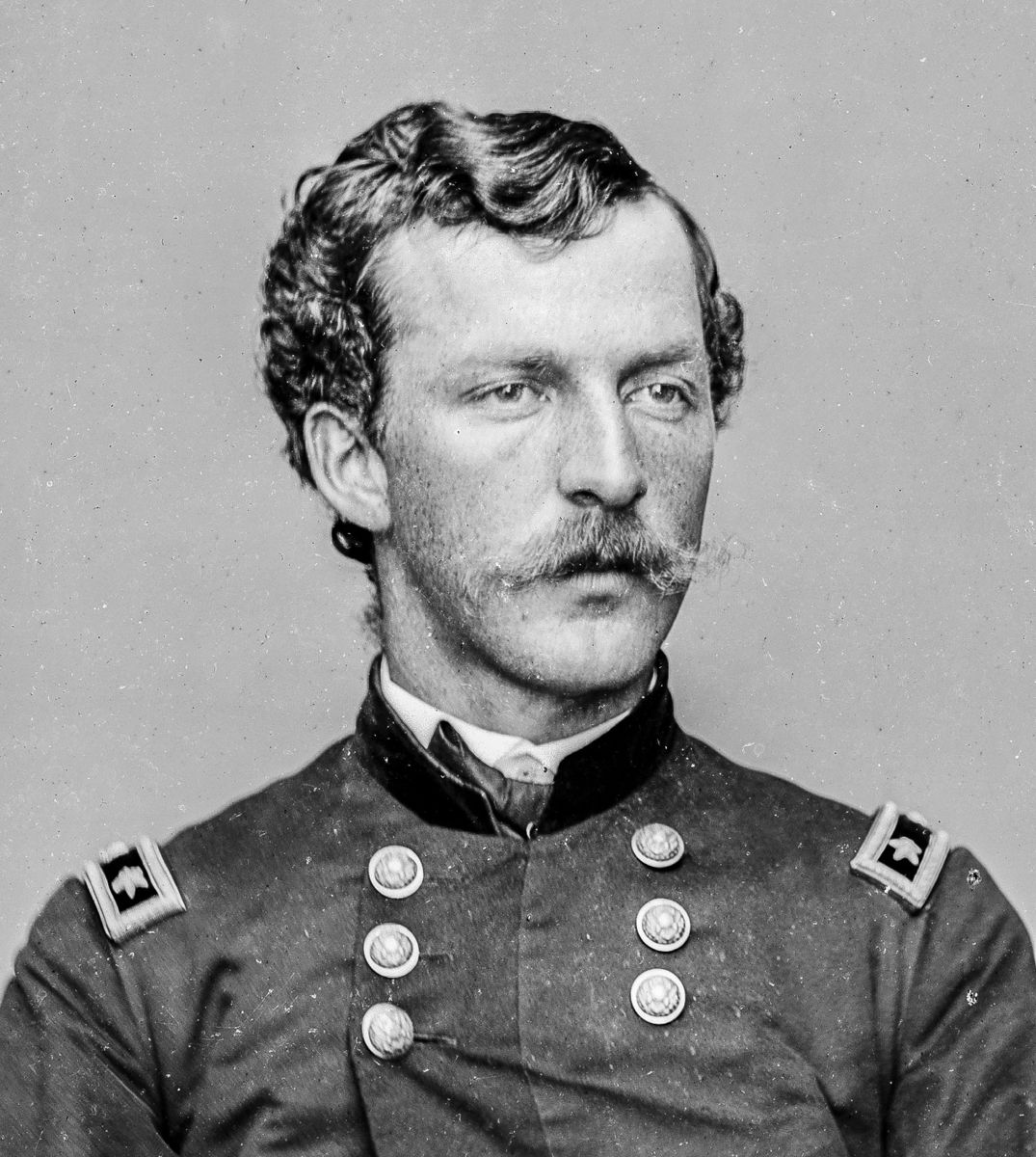
On May 1, 1877, Colonel Nelson A. Miles led a mixed force of his own 5th Regiment, the 22nd Regiment, and the 2nd Cavalry Regiment out from Fort Keogh in search of Miniconjou Lakota under Lame Deer. On the Tongue River, Indian scouts found a trail heading west to Rosebud Creek, and Miles followed with his command of 471 officers and enlisted men.
Battle
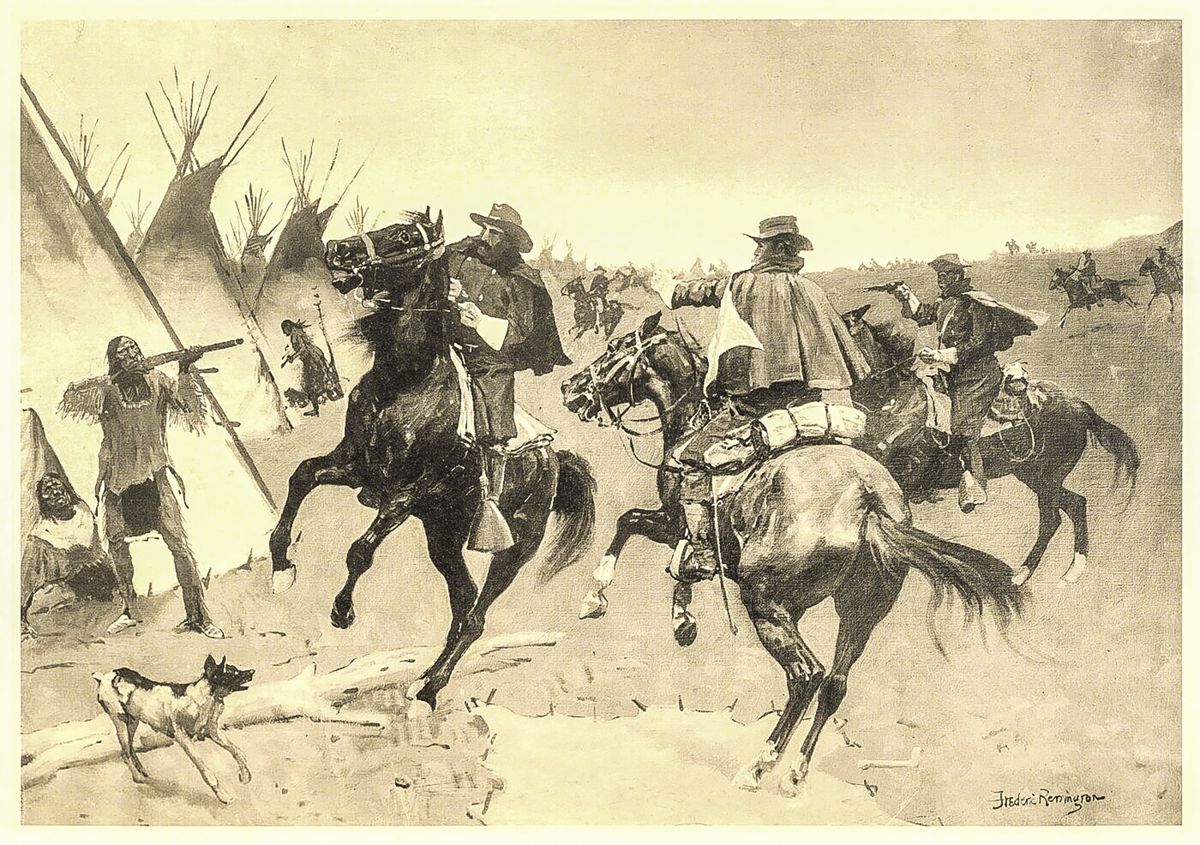
Spotting a camp of 61 lodges on Little Muddy Creek, Colonel Miles left his infantry and moved in with cavalry under Captain Edward Ball and mounted infantry under Lieutenant Edward W. Casey. The mounted force reached Lame Deer’s sleeping village before dawn at 4:30 a.m. Company H of the 2nd Cavalry under Lieutenant Lovell H. Jerome and the mounted infantry under Casey began the fight with a mounted charge into the village. One of the army’s Indian scouts, Hump, called to the Lakota and Cheyenne that Miles wanted to negotiate with them.
Frederic S. Remington (1861–1909); The Lame Deer Fight. (From “The Personal Recollections of General Nelson A. Miles”; Rotogravure; Amon Carter Museum of American Art, Fort Worth, Texas, Amon G. Carter Collection; 1961.277.8)
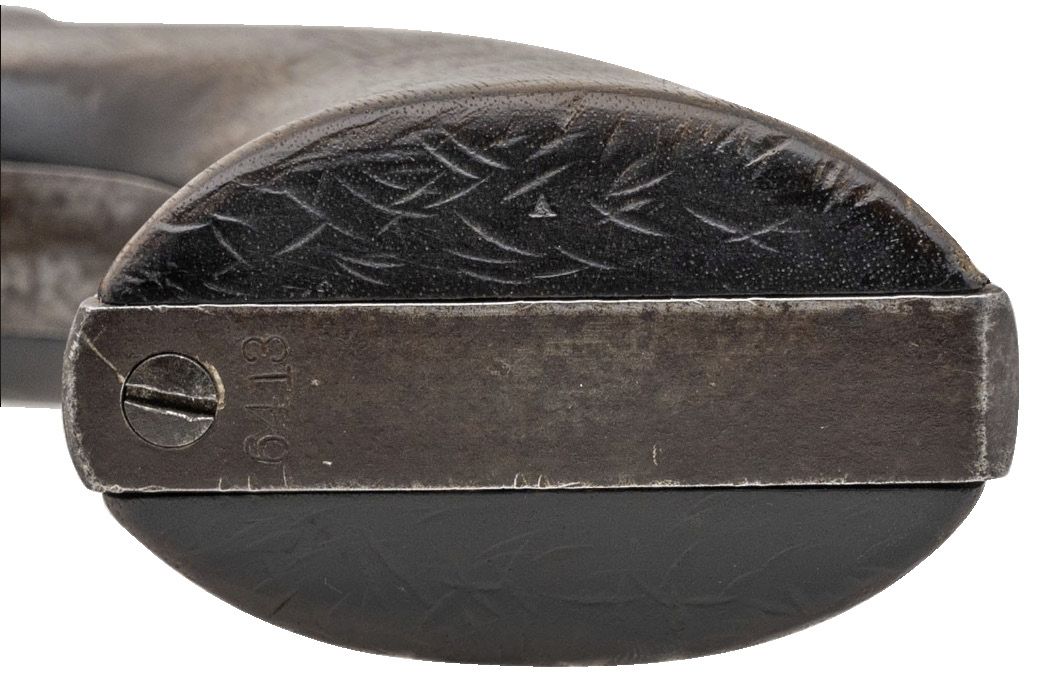
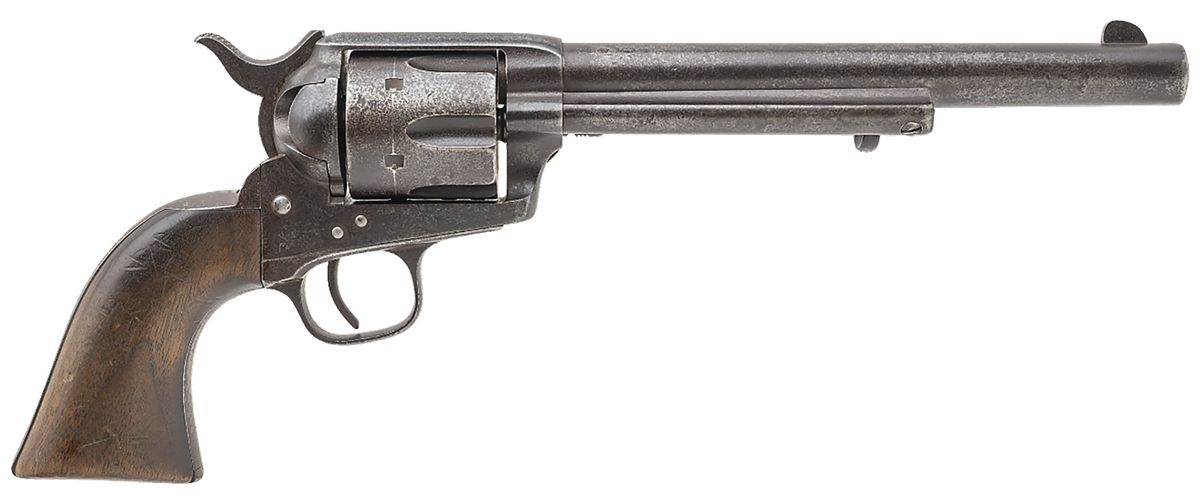
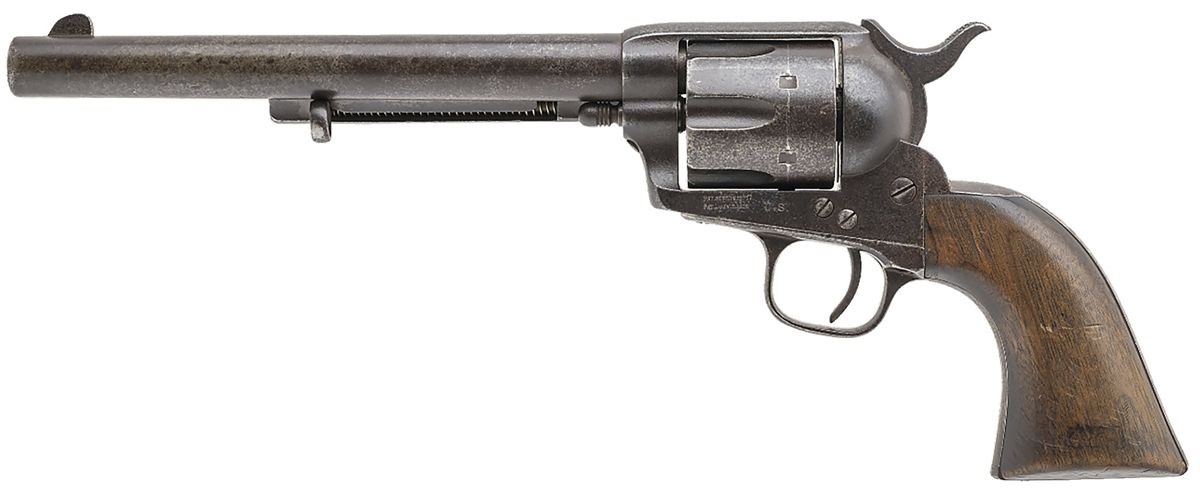
Colt SAA SN6413, issued to Pvt. Henry E. Gray, Company H, 2nd U.S. Cavalry. Replacement of the lost extractor would have been an easy repair that could have been done in the field or at Fort Ellis. Note that its appearance is consistent with the rest of the pistol. (Photos courtesy Collectors Firearms)
Butt stamped 6413.
shot down by a volley of 17 bullets fired by men of Company L, 2nd Cavalry. Companies F, G, and L of the 2nd Cavalry then attacked the small Indian village, destroying it and capturing about 450 horses, killing half of them.
Aftermath
The army had four men killed and ten wounded in the engagement, while the Lakota suffered from 5 to 14 killed, about 20 wounded and 40 captured. Five Congressional Medals of Honor were awarded to soldiers for their actions during the battle:
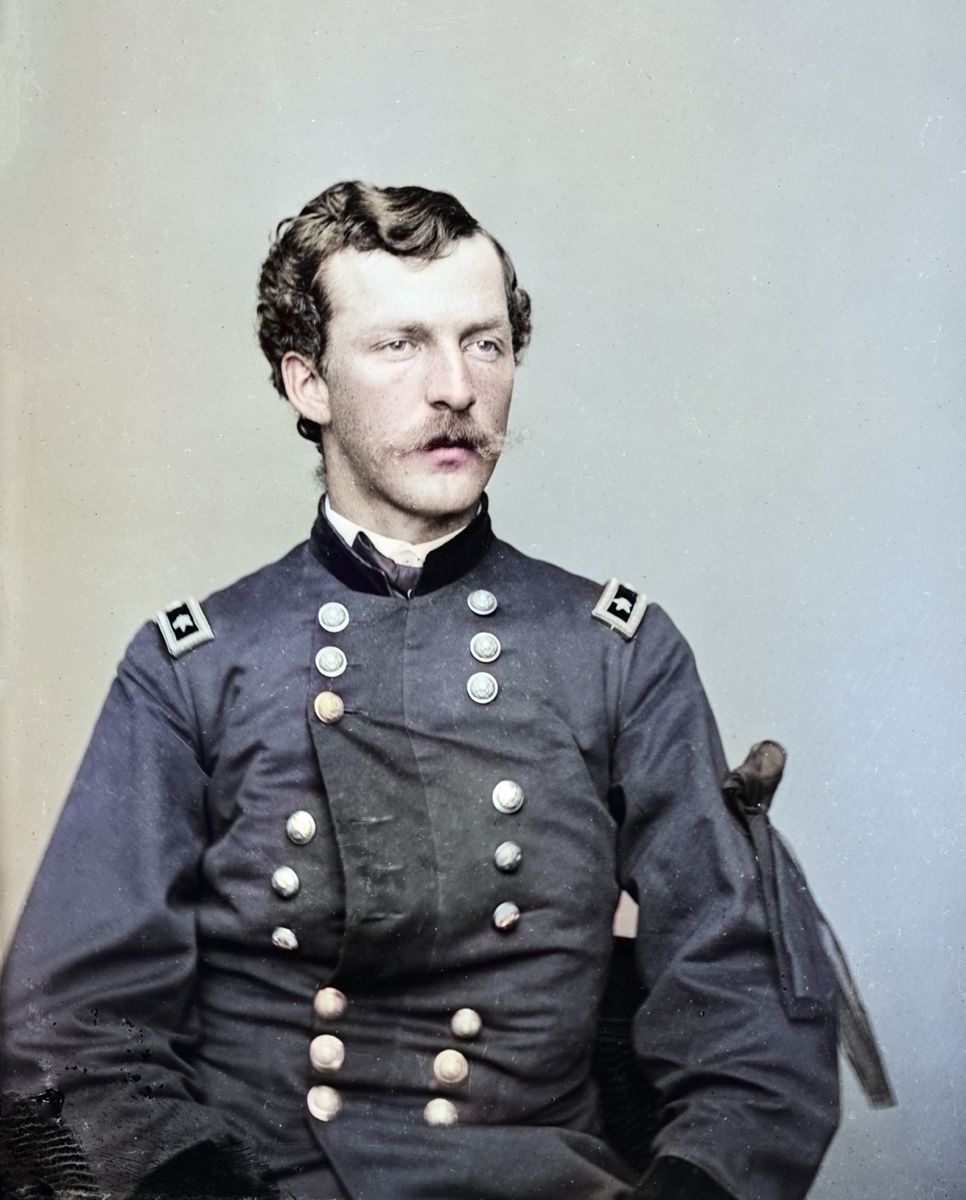
Gen. Nelson Appleton Miles, c. 1865. (Library of Congress)
Lame Deer approached Miles accompanied by his nephew Iron Star and two others. Miles told Lame Deer to lay down his rifle, which he did, but cocked and facing forward. When White Bull, one of Miles’s scouts, tried to take Iron Star’s rifle, he fired, with the bullet going through White Bull’s coat. Lame Deer grabbed his weapon and fired it at Miles, the bullet just missing him and killing his orderly, Private Charles Shrenger. Chaos ensued. Several soldiers and Lakota were hit by the gunfire. Lame Deer was
Henry Wilkens – first sergeant, Company L, 2nd Cavalry
William H. Jones – sergeant, Company L, 2nd Cavalry
Harry Garland – corporal, Company L, 2nd Cavalry
William Leonard – private, Company L, 2nd Cavalry
Samuel D. Phillips – private, Company H, 2nd Cavalry
Private David L. Brainard, wounded in the battle, was presented a Purple Heart on January 27, 1933, one of only 12 awards for the American Indian Wars. Brainard would later be a member and survivor of the Greely Arctic Expedition and subsequently was commissioned as an officer in the 2nd Cavalry. He enjoyed a long and successful career in the Army. See Pate, Charles, “The Farthest North Colt Single Action Army Revolver,” Man At Arms magazine, 33:2, April 2011, for more on his life and the expedition.
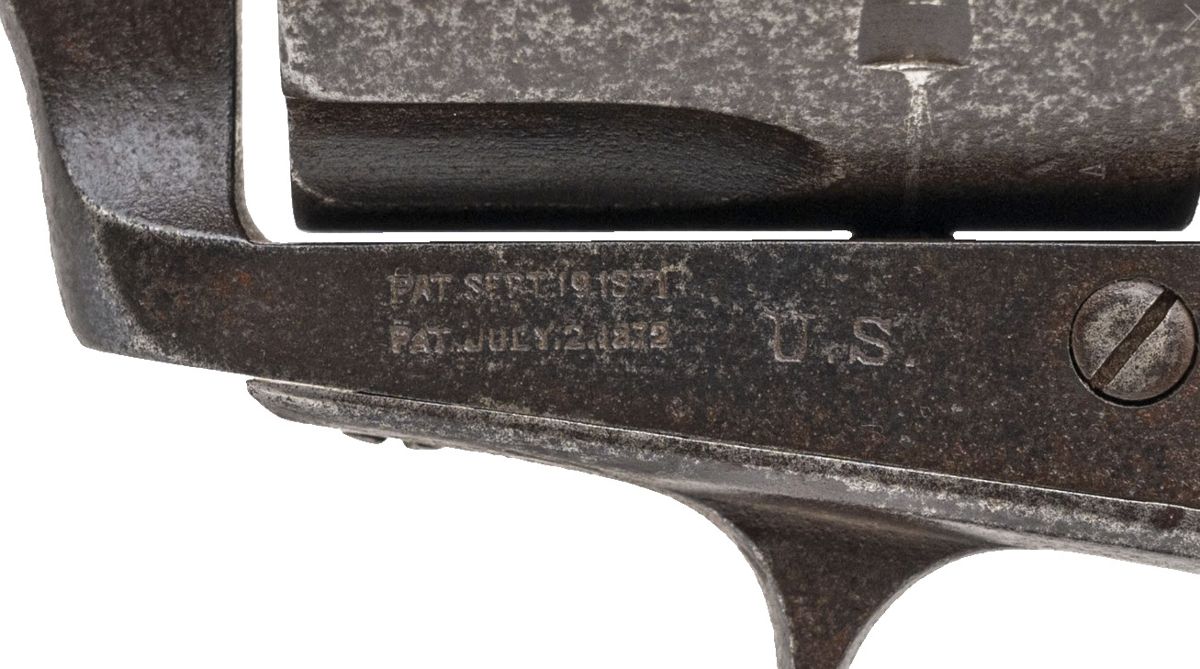
Stamped on the left side of the frame on #6413: PAT. SEPT.19.1871 / PAT. JULY.2.1872 and U.S.
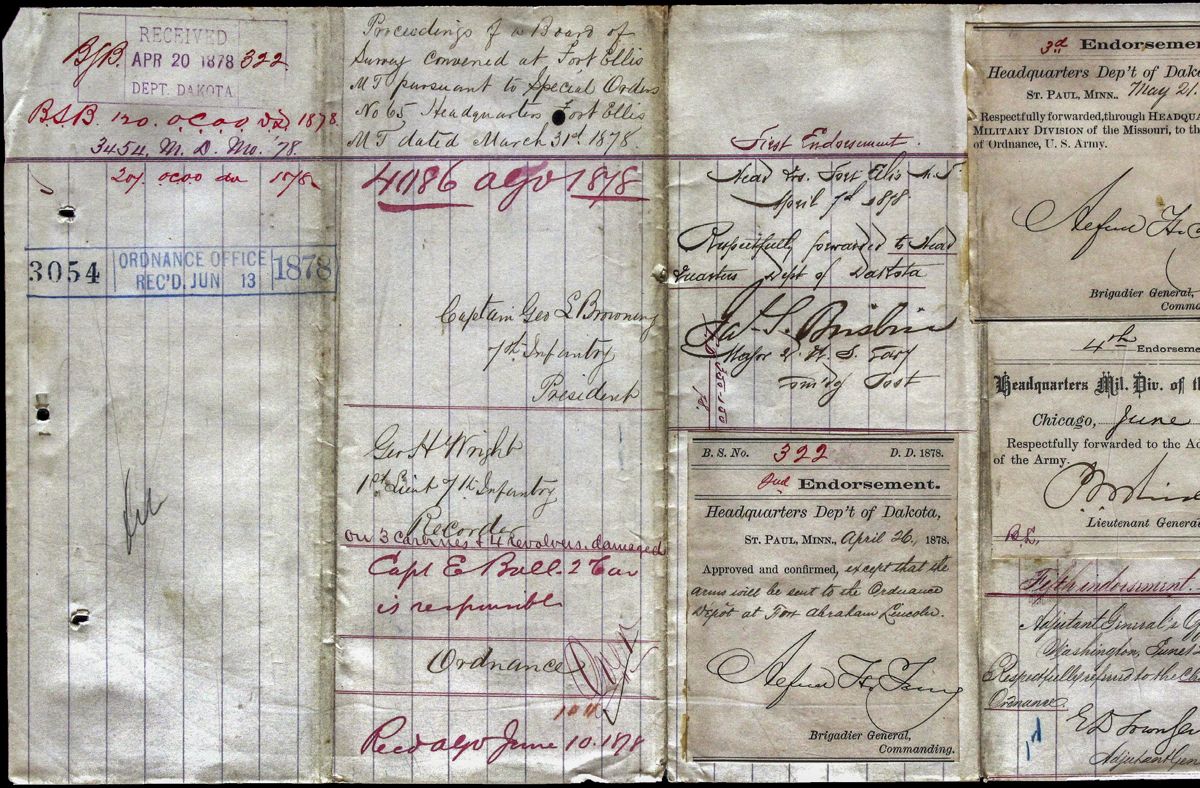
Report of Board of Survey at Fort Ellis.
Regarding #6413 and its missing ejector, the Company Commander, Capt. Edward Ball, stated: “This Revolver with the ejector missing was in the hands of Pvt. Gray who is discharged the Service, he was thrown from his horse at [the] fight on Muddy Creek M.T. May 7/1877. The Revolver came in contact with a rock and was damaged as discribed [sic]. Pvt. Gray searched for the missing part but could not find it, and reported the circumstance to Lieut. Jerome 2”= Cav.”
The battle history of the Colt SAA revolver shown in this article, number 6413 (circled below), was found in a Board of Survey (hereafter “BOS”) held at Fort Ellis, Montana Territory. For those who are not familiar with the BOS process, a few words are in order. Army officers in command of companies were held responsible for all the government property issued to their companies. If any of that property was lost, stolen, or damaged, a board of officers would be convened at some convenient time and place to investigate the loss and, if appropriate, establish responsibility for the loss. Where losses were found to be avoidable and/or due to negligence, the responsible party, usually the soldier issued the arm but sometimes the company commander, would be held liable and would have to pay for the loss. The first page of the Fort Ellis BOS report (showing the abstract and endorsements), one stating the circumstances regarding the damage to #6413, and one giving the related findings of the board are illustrated here. Briefly stated, the arms examined David L. Brainard. (A Military by the board had been issued to Album, Containing Over Company H in February 1876 and One Thousand Portraits their damages were caused by of Commissioned Officers accidents that occurred during the Who Served in the Spanish1876–1877 campaigns. American War. 1902. Page 115.
Report of Board of Survey at Fort Ellis.
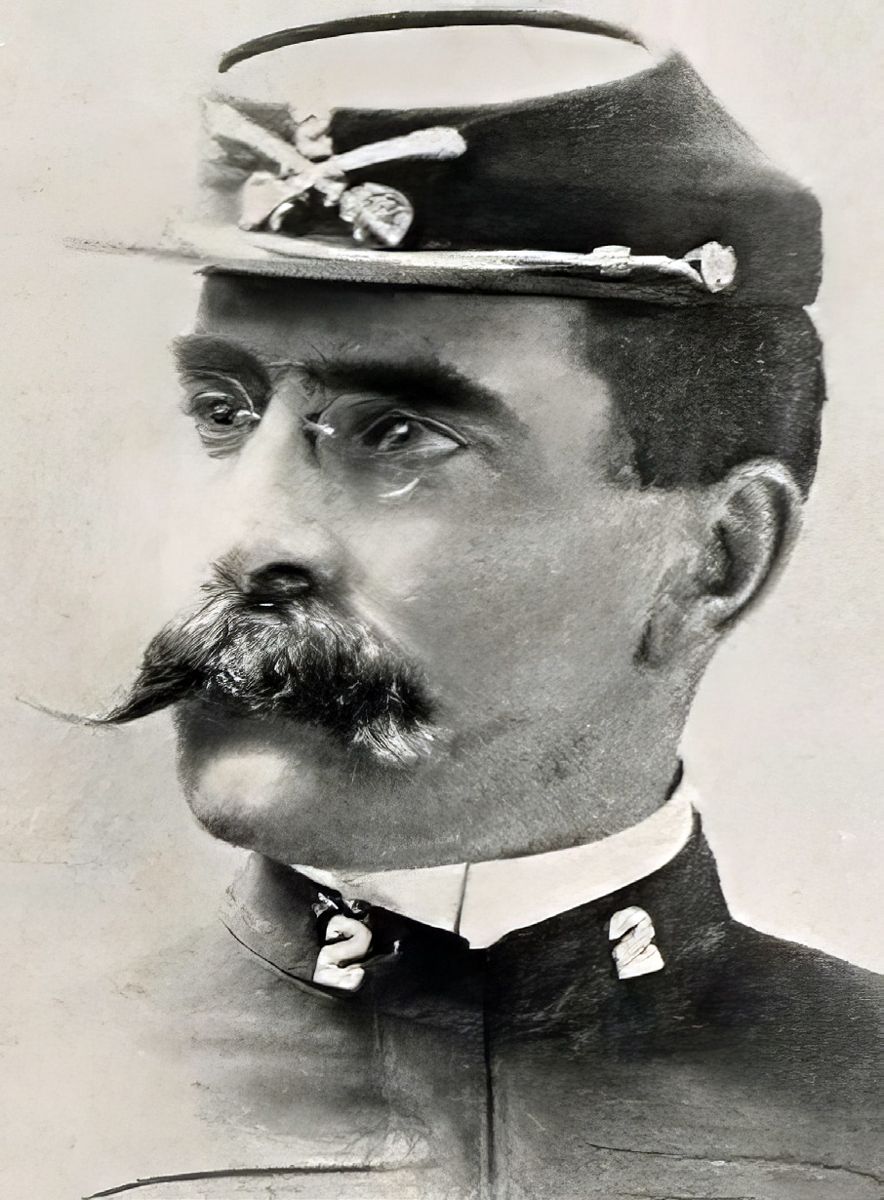
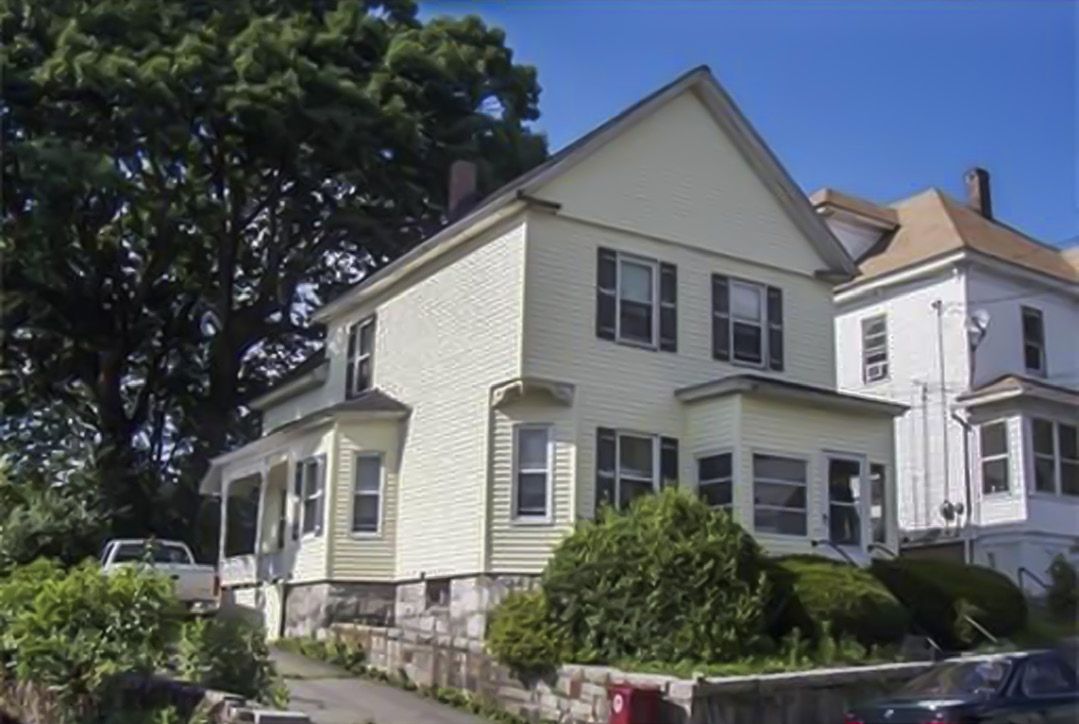
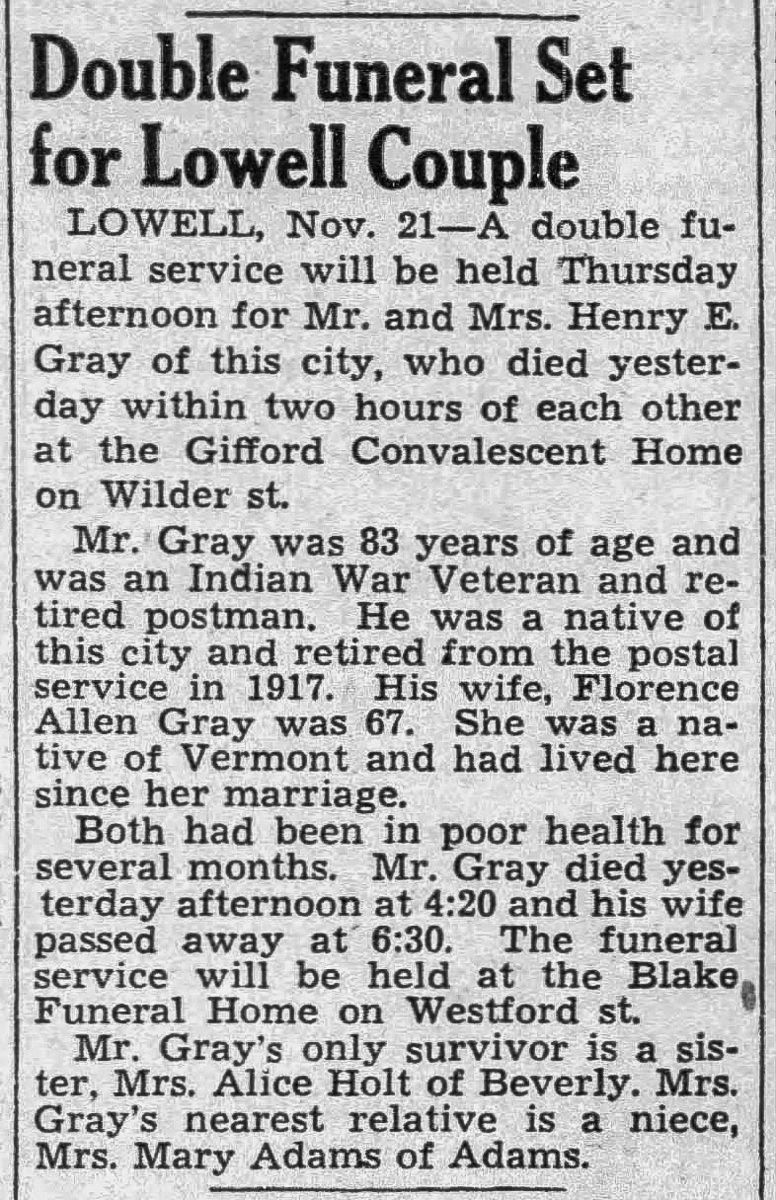
Captain Gray also complained about the “old pattern” holsters issued to the company, which allowed parts of the revolver that had come loose (center pin screws, center pins, ejector heads, and, in this case, an extractor) to fall out of the holster. In all cases reported in this BOS report, the soldiers and officers involved were absolved of responsibility for the losses. As noted in Captain Ball’s statement, Pvt. Henry E. Gray had mustered out of service by the time of the BOS. On his enlistment papers, he claimed he was born in 1851 in Tewksbury, Massachusetts. However, in his application for a pension, he admitted that he had actually been born on August 8, 1856. Consequently, he was not quite 16 when he enlisted on October 1, 1872. Gray’s physical description in his pension file was 5 foot 4 ¾ inches tall, with fair complexion, gray eyes, and dark hair. He claimed to be a machinist on his enlistment papers. Gray was discharged on June 9, 1877, at the Cantonment on Tongue River, M.T. He returned to Massachusetts and worked as a cabinetmaker and Post Office letter carrier in Lowell, during his civilian life. His home at 124 Lilley Ave., Lowell, Massachusetts, still stands. He married twice and fathered four children, but his first wife and all his children predeceased him. Henry Gray died on November 21, 1939, at 4:20 p.m., and his second wife followed him in death at 6:30. He and his family were buried in the Edson Cemetery in Lowell.
Gray’s obituary in the Nov. 22, 1939, Boston Globe.
The author would like to thank Paul Davies for his assistance with this article.
Originally printed in Fall 2024, The Rampant Colt magazine with permission from the author.
Henry Gray’s house in Lowell, Massachusetts. (Redfin photo)
About the Author Charles attended Colbert County High School in Leighton and, in 1967, received a BA degree from the University of North Alabama in Florence. He had an early interest in writing and was encouraged to further develop his skills by his high school English teacher and his favorite UNA professor, but the Vietnam conflict and military service intervened. Charlie served for twenty years in the U.S. Army in a variety of assignments. He was a pilot flying intelligence collection missions in Vietnam. After the war, he served as a project manager in intelligence system research and development. He received an MS in Management Information Systems from the American University in 1977. Charlie retired from the Army in 1987 and continued his project management and systems engineering career with TRW, a large aerospace firm. After 16 years with TRW, Charlie again retired in 2003 and since then has concentrated on U.S. military small arms research and writing, and to date has published five books and over 200 articles.
Library of Congress
David C. Colbert (1842–1865) along with his brother Nathan (1838–1863), enlisted in the 46th Virginia Infantry, Company C, June 22, 1861. Neither would survive the war. David is pictured wearing battle shirt holding a rare .32 caliber rimfire Bacon pocket revolver with removable triggerguard, and a massive clip point Bowie knife. He also wears a Confederate tin canteen on a canvas strap over his shoulder. The roller buckle belt retains the holster for the Norwich, Connecticut-made pistol. A patriotic paper rosette with a small Saint Andrews Cross in its center, possibly made by the young lady referred to in the note found in the image stating “forget me not Jullie B. George” is attached to his shirt. The 46th Virginia saw most of the battles of the Army of Northern Virginia, both brothers side-by-side in the same company; Nathan was killed at the battle of Chapin’s Farm on July 16, 1863. David was furloughed for 10 days to return his brother’s body back home. David would remain with his regiment till finally captured at the Battle of Farmville just three days prior to the surrender at Appomattox, he would sign his oath of allegiance June 14, 1865, while in prison hospital, but died two weeks later of chronic diarrhea on July 1, 1865.