
General Bonner Feller’s M1903 Springfield Sporter
By Charles Pate · Originally published September-October 2024 · pp. 64–72
D.C.M. Rifle Sales Records
General Bonner Feller’s M1903 Springfield Sporter By Charles Pate
Ifirst met Springfield Research Service (SRS) founder Franklin B. Mallory in 1977 at the house of a mutual friend, high-quality arms collector and dealer Ted Gewirz. Frank and I shared an interest in U.S. military small arms and we were both doing National Archives research in that field but had not previously encountered each other because we were working in different periods and different weapons. My interest at the time was limited to postCivil War Smith & Wesson arms, while Frank was largely focused on Krag, Model 1903, and Model 1922 rifles. Still, our interests were enough in common that we were able to help each other in our respective work until his death in 2004. During that time, I grew more interested in Frank’s serial number-specific work and in the arms that had been Frank’s earlier focus. I was especially interested in the M1903A3 rifles, since we had used those arms in our Alabama state championship ROTC drill team when I was in college. So, I began looking for rifles with documented history using Frank’s data. Unfortunately, documented M1903A3 rifles are very hard to find, so I broadened my search to include the M1903 in all its variations. Recently, I got lucky; the lucky find is the subject of this article. In addition to his work at the National Archives, Frank also spent considerable time, effort and money in trying to obtain serial number-specific data from the U.S. Army. Those efforts were directed primarily at the records of sales made through the Director of Civilian Marksmanship (DCM) program and sales made by the Springfield Armory and other Army arsenals and depots. Sometime before 1976, Frank’s efforts bore fruit, and he was allowed to make copies of thousands of what he called in his database “D.C.M. RIFLE SALES 1922 – 42.” Using this data, Frank published Summary of D.C.M. Rifle Sales 1922 – 1942, which listed rifle serial numbers and began to provide provenance letters to collectors fortunate enough to find rifles that were listed in his booklet. Subsequently, he published the SRS books that we are all familiar with. In addition to the D.C.M. Rifle Sales copies Frank made, one of his newsletter subscribers managed to salvage some serial number records that, apparently, the Tank Automotive Command (TACOM) was about to destroy or trash. Frank added these data to his database with “DISPOSAL RECORD” in the USAGE field. However, it might have been better to use the term “DISPOSITION” since, in addition to sales, many records were reports of losses, salvage or theft. As an aside regarding TACOM, the responsibility for small arms management, including the maintenance of serial number records, has undergone many organizational changes since the closure of the Springfield Armory and the 1947 National Defense Act, which discontinued the Chief of Ordnance Office. Frank spent a lot of time and resources
Summary of D.C.M. Rifle Sales 1922 – 1942.
deciphering this evolution and attempting to obtain more historical data, often with little or no success. He told me that he had to sue the government on at least one occasion and spent $10,000 for legal representation to do so. Frank was a capable computer scientist as well, a skill that enabled him to take advantage of rapidly advancing personal computer capabilities. The SRS books were difficult to use for checking weapon serial numbers to see if they could be lettered, but Frank soon provided digital copies of his data,
S CARD rifle 127340
Fellers’ M1903 SALE initially on “floppy discs,” then on compact discs, and finally on the Internet. I used his compact disc data to identify the provenance of the subject weapon; M1903 Springfield “Sporter” rifle number 1273407 was sold to Lieutenant Bonner Fellers, West Point, New York, on April 20, 1927. Have you seen the movie, Emperor? The story is based on true, very historic events and people and, in brief, concerns the investigation of the Japanese emperor’s role in and responsibility for Japan’s participation in World War II. Tommy Lee Jones did an excellent job in the role of General Douglas MacArthur, but the main character in the story was MacArthur’s staff officer who did the investigation and ultimately recommended that Emperor Hirohito should not be tried as a war criminal. That officer was Brigadier General Bonner Fellers, who was well-played by actor Matthew Fox. In addition to this excellent movie, Fellers was the central character in Gershom Gorenberg’s book, War of Shadows: Codebreakers, Spies, and The Secret Struggle to Drive the Nazis From The Middle East. DVD cover of the film Emperor.
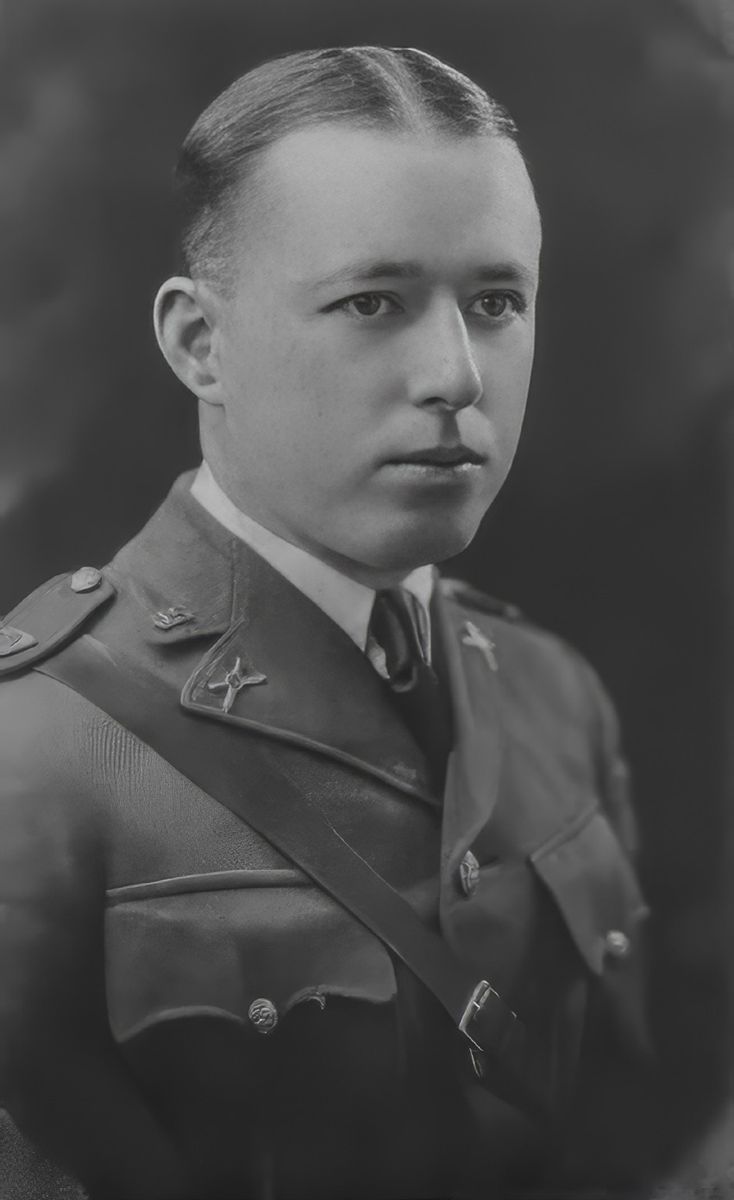
Fellers as USMA cadet in 1918. Note his status as “Sharpshooter.”
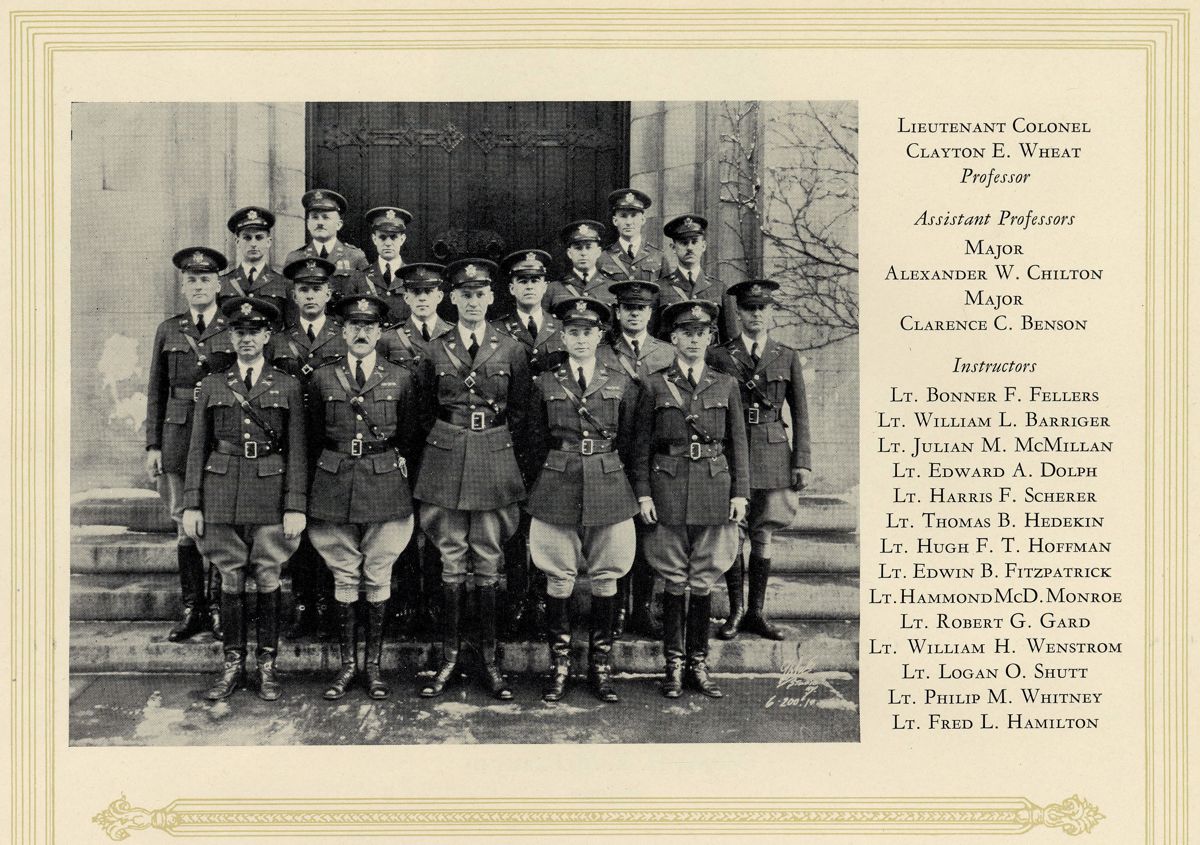
Fellers entered the United States Military Academy in June 1916, ten months before American entry into World War I. Due to the pressing need for junior officers, Fellers’s class graduated on November 1, 1918, ten days before the armistice that ended the war. That day Fellers was commissioned as a second lieutenant in the Coast Artillery Corps. He was promoted to first lieutenant in October 1919 and graduated from the Coast Artillery School Basic Course in 1920. At the time he purchased M1903 Springfield “Sporter” rifle number 1273407, Fellers was teaching at the Academy. In the enclosed photo from the 1929 USMA yearbook Howitzer, Fellers is the first officer on the right in the first row.
Fellers served three tours of duty in the Philippines in the 1920s and the 1930s and spent considerable time in Japan. At the conclusion of his attending the Command and General Staff School and the Chemical Warfare Service Field Officers Course, he completed an influential thesis titled “The Psychology of the Japanese Soldier.” One can readily see how this experience, and his personal interests and aptitude, prepared him for the post-World War II role he played, as depicted in the movie.

Fellers was the central figure in the book War of Shadows.
Before those events, like other officers at the time, Fellers had to wait for advancement. Due to the drastic reduction in the size of the army after World War I, he was not promoted to captain until December 3, 1934. By that time, Fellers was clearly capable of far more senior responsibilities. Despite his junior rank, he was given some significant assignments, including helping open the Philippine Military Academy and serving as liaison with Philippine President Manuel Quezon. At the end of his tour, President Quezon awarded him the Philippine Distinguished Service Star for his contributions. Feller graduated from the Army War College in 1939 and was promoted to major on July 1, 1940. He was promoted to temporary lieutenant colonel on September 15, 1941, and to temporary colonel the next month. Before the latter promotion, Major Fellers was assigned as military attaché to the U.S. embassy in Egypt. He was assigned to monitoring and reporting on British military operations in the Mediterranean and Middle East Theatre. The British granted Fellers access to their activities and information. He dutifully reported everything he learned to his superiors in the United States. His reports were read by President Franklin Roosevelt, the head of American intelligence, and the Joint Chiefs of Staff. Unfortunately, they were read by the enemy as well. Fellers had been concerned about the security of the U.S. State Department’s “Black Code” used to, supposedly, secure the department’s Fellers as lieutenant.
Fellers as USMA instructor in 1929. He is far right, in the first row.
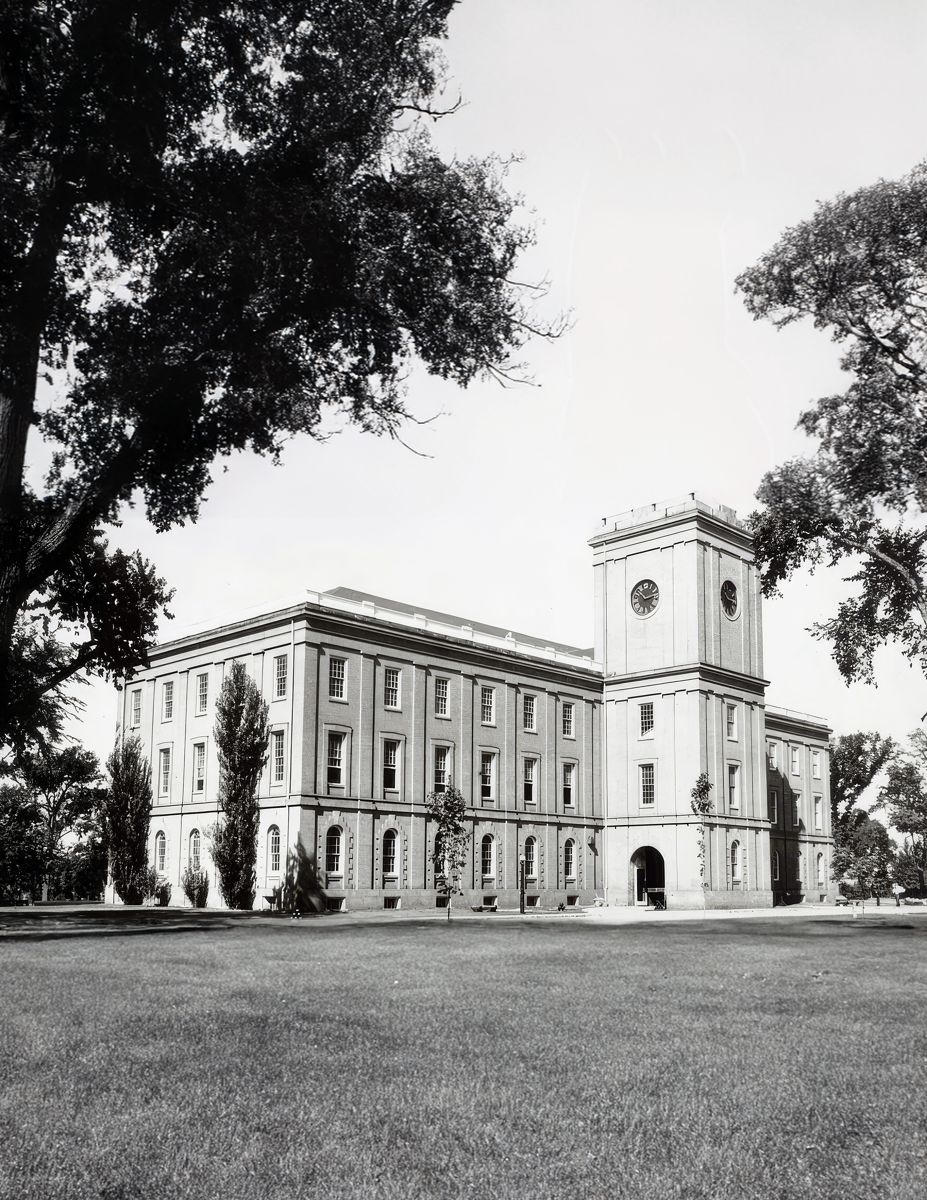
Springfield Armory. (Courtesy Connecticut Valley Historical Museum)
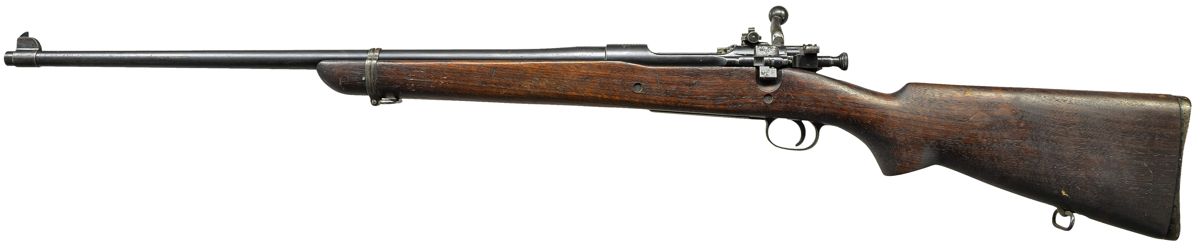
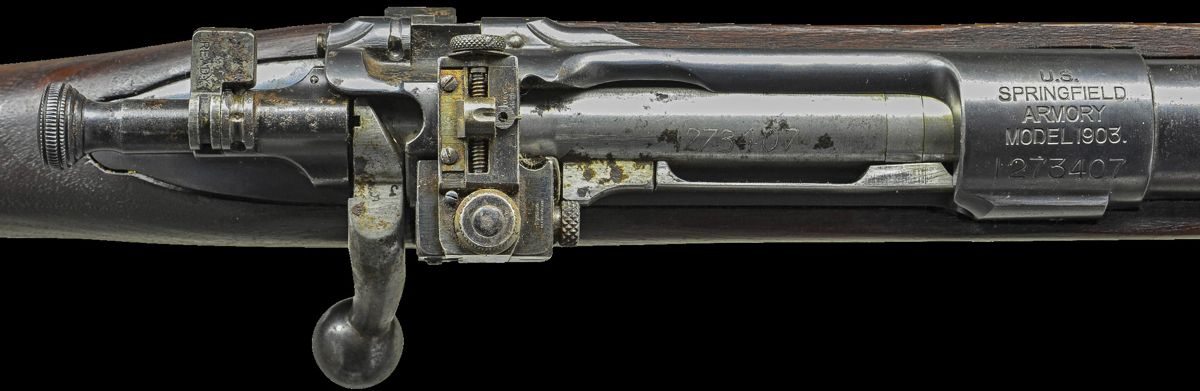
Sporter 1273407. (Poulin Antiques & Auctions, Inc. photos.)
communications, but his concerns were disregarded. As we later learned, Italian spies had stolen the encryption code from the U.S. embassy in Italy during September 1941, and the Italians, and soon the Germans as well, were reading Fellers’ reports. These included some of the most secret data on British strengths, positions, losses, reinforcements, supply, situation, plans, morale, etc. The security breach cost the Allies many lives until the British “Ultra” program broke the German code system, and the source of the Allies’ leak was discovered. Fellers switched to a newly adopted U.S. code system on June 29, 1942, ending the security breach. Fellers was not found at fault for the interception of his reports, but he was transferred from Egypt on July 7, 1942. Upon returning to the United States, he was awarded the Distinguished Service Medal for his analysis and reporting on the North African situation. On December 4, 1942, he was promoted to brigadier general, the first in the West Point class of 1918. His Distinguished Service Medal citation characterized his reports as “models of clarity and accuracy.” President Roosevelt read and admired Fellers’ reports so much that he invited Fellers to the White House upon his return from Cairo, and they met on July 30, 1942. Consistent with his earlier reports, Fellers argued for reinforcing British forces in the Middle East, a position not shared by General George C. Marshall, who wrote to Roosevelt, “Fellers is a very valuable observer, but his responsibilities are not those of a strategist, and his views are in opposition to mine and those of the entire Operations Division.” Regardless, Roosevelt decided to reinforce the Eighth Army and to support Operation Torch, the Allied invasion of French North Africa. After nearly a year of service in the OSS planning psychological warfare, Fellers returned to the Southwest Pacific and resumed working for General Douglas MacArthur. He later served as military secretary and the Chief of Psychological Operations under MacArthur. During the Philippines liberation,
Sporter 1273407 stargauged 8-1926 barrel.
Sporter 1273407 receiver and bolt.
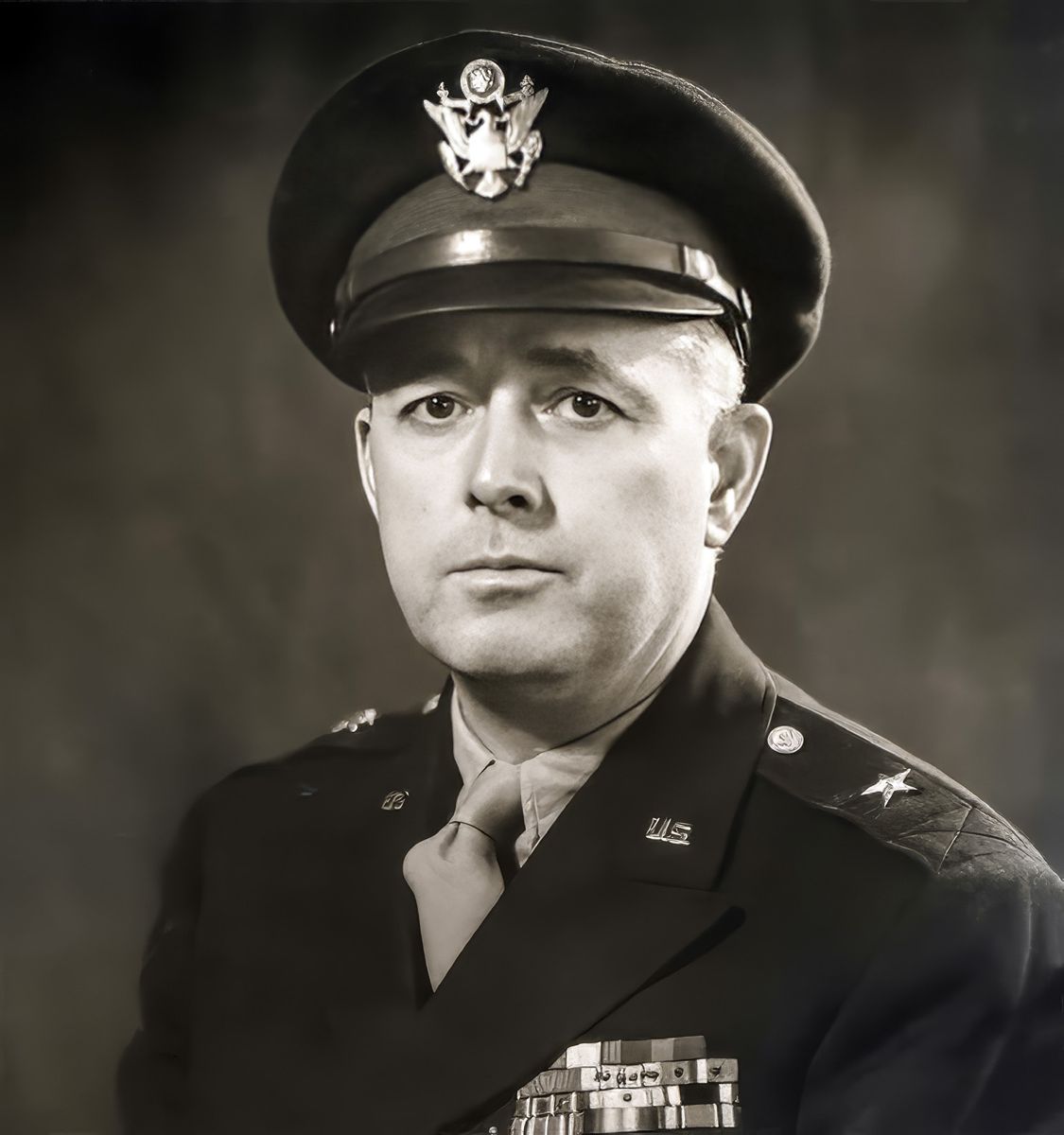
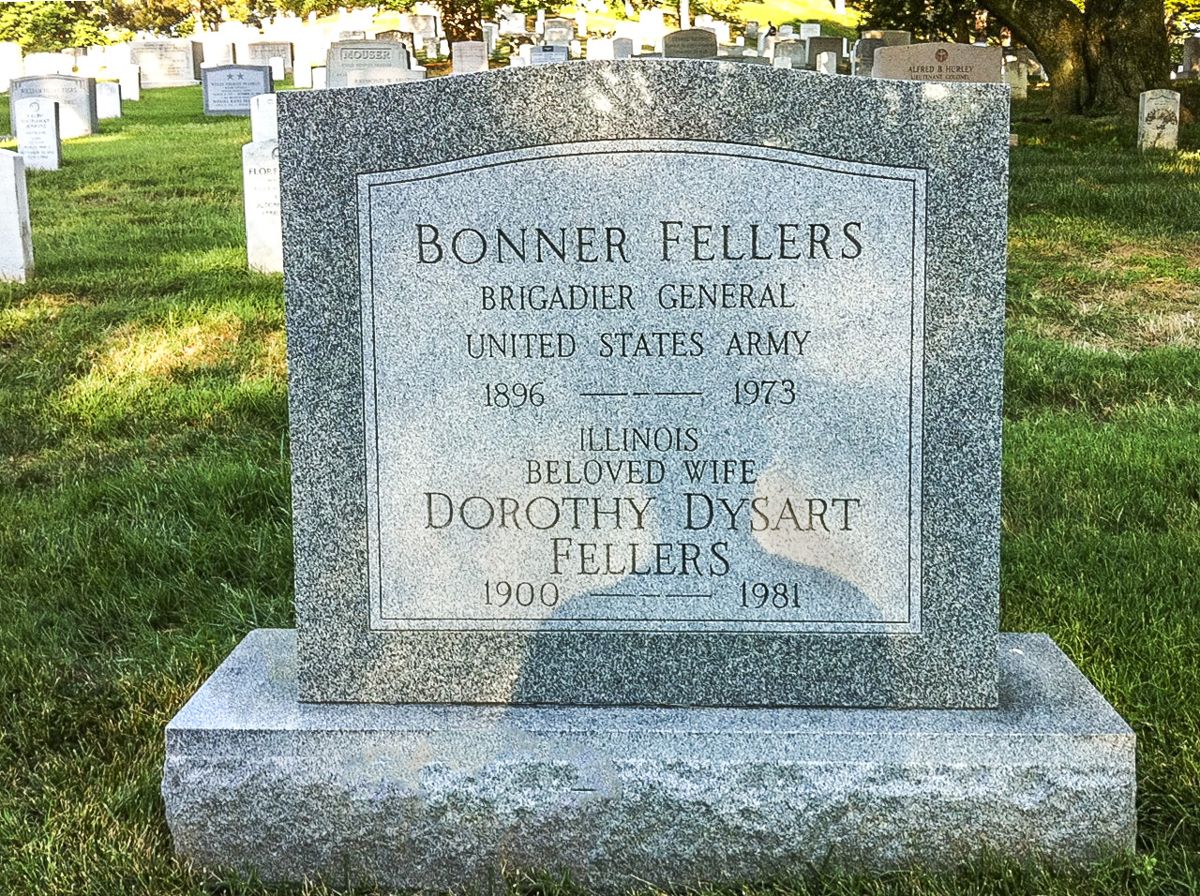
Fellers had several assignments, including Director of Civil Affairs for the Philippines. For his efforts, he received a second Philippine Distinguished Service Star. Interestingly, General Dwight D. Eisenhower was no fan of Bonner Fellers. He had been at odds with Fellers since they served together under General MacArthur in the Philippines. In a later conversation with the Countess of Ranfurly, after she expressed admiration for Fellers Eisenhower reportedly replied, “Any friend of Bonner Fellers is no friend of mine!” Eisenhower also had a strained relationship with MacArthur, and in both cases, competition for strategic priorities (and, therefore, scarce resources) probably played a role. Eisenhower certainly knew Fellers had been instrumental in getting presidential approval of increased support for the British in North Africa, including Operation Torch, which was not supported by the senior U.S. military command, including Eisenhower. After the war, Fellers played a major role in the occupation of Japan, including the events depicted in the movie. Fellers’ Wikipedia page described one of his duties as liaison between MacArthur’s HQ and the Imperial Household. Soon after the occupation began, Fellers wrote several influential memoranda concerning why it would be advantageous for the occupation, reconstruction of Japan, and long-term U.S. interests to keep the Emperor in place if he was not clearly responsible for war crimes. In what could be considered an act of subterfuge, Fellers met with the major defendants of the Tokyo tribunal and allowed them to coordinate their stories to exonerate Emperor Hirohito and all members of his family of war crimes. This was reportedly done at the behest of MacArthur, who had decided that there would be no criminal prosecution of the Emperor or his family. Fellers’ role in exonerating Emperor Hirohito is the main subject of the 2012 film, but in the film the exoneration had not been predetermined by MacArthur. In October 1946, Fellers reverted to the rank of colonel as part of a reduction in rank of 212 generals. He retired from the army on November 30, 1946. In 1948, his retirement rank was reinstated as brigadier general. He subsequently had a notable career in politics. He worked as assistant to the chairman of the Republican National Committee in Washington, D.C., and in 1952, was actively involved in promoting Robert A. Taft as a presidential candidate. In 1953 he authored, Wings for Peace: A Primer for a New Defense (Chicago: Henry Regnery Co.) and later promoted Barry Goldwater for the presidency during the 1964 campaign. General Fellers died of heart failure in October 1973 at the age of 77. He was buried in Arlington National Cemetery. As can be seen in the accompanying Poulin Antiques & Auctions, Inc. photos, General Fellers’ rifle is in its original configuration and “used but not abused” condition. This is consistent with the fact that Fellers was listed as being a sharpshooter in his 1918 USMA year book, The Howitzer. He bought a rifle to shoot, not simply to have, and he bought a finely made target rifle rather than a regular service model.
Fellers as a brigadier general.
This article is not intended to be a treatise on the “Sporter Model” Springfield, but a few words are in order. Lt. Col. William Brophy described this version of the M1903 rifle on pages 211-215 of his book, The Springfield 1903 Rifles, noting that it was introduced in January 1924 as the “Rifle, U.S., Caliber .30, Model 1903, sporting type, star-gauged, fitted with Lyman No. 48 receiver sights.” The DCM sales list for 1925 gave its price as $49.50, a figure that reflected the quality of its components and workmanship. Brophy stated that approximately 5,538 of these rifles were made before manufacture was discontinued due to complaints that the Army was competing with commercial manufactures who were or wished to produce a similar rifle. Brophy noted that Springfield Armory’s Annual Report for fiscal year 1935 stated the last M1903 Sporter was sold in July 1934. SRS has DCM sales records for approximately 4,877 of these rifles, so finding one that is identified to its purchaser is not uncommon, but those sold to officers or other notable individuals are much rarer. I’ll close this article by quoting the notes I made on Chief of Ordnance records related to terminating the rifle’s production and the final sales listed in those records. Source citations are included for those wishing to do additional research on this subject. On Feb. 16, 1933, (Record Group (RG) 156, Entry (E) 36B, Box 1324, File 474.1/6205) the National Board for the Promotion of Rifle Practice prepared a memo for the Asst. Secretary of War recommending discontinuing sales of “U.S. Rifle Caliber .30 M1903, Style NRA (Springfield Sporter).” Sales had been authorized in 1923. The memo gave the purpose of the sales and a brief description (practice promotion but also to encourage commercial manufacture of a comparable rifle). Commercial manufacturers viewed the Springfield Armory (SA) rifle as competition. Neither the NRA nor the Ordnance Office (OO)
objected to stopping the sales. The OO then had 830 rifles, which was thought to be a three-year supply. The DCM was to stop the sales when the supply was exhausted. On June 5, 1934, (June 11, 1934, RG156, E36B, Box 1325, File 474.1/6344), SA had responded to the COO in a 1st indorsement to a letter from the DCM telling the Director that as of June 1, 1934 (after orders up to that date were filled) there were only 30 “U.S. Rifles, M1903, Style N.R.A. (Springfield Sporter)” on hand. Since June 1, 1934, the Armory had received payments for nine and an order from the COO to ship nine others to the Department of Justice “Division of Investigation” (which became the FBI) in Washington, leaving only 12 available. SA had noticed that the DCM was processing orders for 38, and SA could supply only the 12 available and in order of the payments received. In a letter to the COO of this date, SA provided a copy of their letter to the DCM and advised the COO that the supply was exhausted and that outstanding orders needed to be canceled. On this date, SA had received a telegram from the COO making the total for the Department of Justice 17, but it is not clear that the order for the extra eight rifles was filled, but I think all 17 were supplied. See also Oct. 19, 1934, 474.1/6387; 474.1/6516, regarding increased sales of National Match rifles due to the unavailability of the Sporter Model. Charles (Charlie) Pate is a Muscle Shoals, Ala., native. He attended Colbert County High School in Leighton and, in 1967, received a BA degree from the University of North Alabama in Florence. He had an early interest in writing and was encouraged to further develop his skills by his high school English teacher and his favorite UNA professor, but the Vietnam conflict and military service intervened. It was ten years after graduation before he returned to writing. Charlie served for twenty years in the U.S. Army in a variety of assignments. He was a pilot flying intelligence collection missions in Vietnam. After the war, he served as a project manager in intelligence system research and development before returning to school. He received an MS in Management Information Systems from the American University in 1977 and for the rest of his military career worked primarily in automation management and project management positions, usually in
Military Intelligence. Charlie retired from the Army in 1987 and continued his project management and systems engineering career with TRW, a large aerospace firm. After 16 years with TRW, Charlie again retired in 2003 and since then has concentrated on
U.S. military small arms research and writing, and to date has published five books and a over 200 articles.
Bonner Fellers’ grave in Arlington National Cemetery.
“The Magazine Like No Other: Where History Isn’t Just Studied, It’s Collected.”
ANTIQUE
MAGAZINE

May-June 2022 Vol 1, No. 2 $8.00
Hey there, history aficionados and collectors! Allow me to introduce Military Antique Collector, your must-have bimonthly magazine. Printed on top-notch paper with vivid, high-res color photos, each issue is a treasure trove for both expert collectors and newcomers. Now, you might be thinking, “Is this magazine for me?” Whether you’re a seasoned collector with a room full of treasures or a newbie just dipping your toes into the fascinating world of military antiques, we’ve got you covered. Each issue is jam-packed with articles that are not just informative but downright captivating. And who’s behind these articles? Only the best in the business—renowned authors, museum curators, and auction experts who really know their stuff. We spotlight rare and unique military artifacts, from early American and European pieces to select post-1898 gems, all tied to historical figures you’ve read about. Ready to make history come alive in your hands? Leech & Rigdon made about 1,500 guns, most in Greensboro and Augusta, Ga., with machinery moved from Columbus, Miss., during March 1863. Leech revolvers are copies of Colt avies with round barrels. There are several variations; SN 1463 is the highest known Leech serial number.
By Philip Schreier, Director, NRA Museum
Leech & Rigdon, SN 15, earliest known barrel marking.
Colonel Joseph Walker, Field and Staff, Palmetto South Carolina Sharpshooters, 1862–1864. He is wearing his uniform, a two-piece South Carolina belt buckle with palmetto tree, a red sash over shoulder for officer of the day and is holding an eagle head sword. His kepi has the palmetto tree insignia with “K,” “5,” and “R.” Liljenquist Family Collection of Civil War Photographs (Library of Congress).
The most important contract requirement noted that, These arms and their component parts, to be manufactured within the State of South Carolina, of the best material and workmanship and as far as practicable, of material and by mechanics obtained in the state foresaid. From this contractual clause it is clear that the State of South Carolina was trying to establish a Virginia Manufactory type facility and wanted to be completely independent of any reliance upon the industrial north for arms manufacture. This clause would be the undoing of Glaze’s enterprise.
It appears that even though Glaze built a factory and acquired some machinery, he never intended to actually fabricate any arms in his own facility. Rather he intended, at most, to acquire finished components and assemble them into complete arms. As noted by collector, researcher, and author Lew Southard in his excellent article “The Origin of the Palmetto Pistols” (American Society of Arms Collectors Bulletin 81:29-42) the “economy of scale” clearly indicated that Glaze had no intention of manufacturing complete arms. The very cost of the tooling and machinery to manufacture muskets, rifles, pistols, and two
This Model 1900 in .30-40 was one of the last designs produced by the Gatling Company before they were found to be obsolete and replaced by water cooled and air cooled full automatic machine guns. Photos courtesy of NRA Museum. Photo of Dr. Richard Jordan Gatling (1818–1903). (Library of Congress).
Novelty Works ad that appeared in the Memphis Daily Appeal (Memphis, Tenn.) Sept. 10, 1862, page 2.