
Merrill Altered Virginia Manufactory Rifles
By Tim Prince · Originally published November-December 2023 · pp. 60–66
Merrill Altered Virginia Manufactory Rifles By Tim Prince
The Virginia Manufactory of Arms was established in 1797 by an act of the Virginia legislature. The goal of this armory, located along the James River in Richmond, was to supply the Virginia militia with arms required for defending the Commonwealth. Over a roughly two-decade period, from 1802 through 1821, the Virginia Manufactory produced a variety of small arms, including some 58,000 flintlock muskets, 4,000 flintlock pistols, 2,000 flintlock rifles, and some 10,000 sabers. The facility also produced about 300 cannon during the same period. The facility was shut down circa 1821, primarily because arms were forthcoming from the U.S. government under the Militia Act of 1808. The facility was resurrected during the Civil War as the Richmond Manufactory. In the interim, the facility had served as an arsenal, a storage facility rather than an armory, or manufactory. In 1860, with war clouds looming, the Commonwealth of Virginia decided to return the facility to its prior manufacturing status. To perform this task, former Harpers Ferry Master Armorer James Burton was hired to set up the facility. Burton had just returned from overseeing the set-up of the British Royal Small Arms Factory (RSAF) at Enfield Lock, Great Britain’s version of the “Springfield Armory,” and was undertaking to receive the necessary machinery to manufacture rifle muskets in Richmond when the Civil War erupted.
Reestablishing the Virginia Manufactory as the new Richmond Arsenal was not the only action the Virginia government took to prepare for war. In addition to trying to acquire small arms from as many vendors as possible during the year leading up to the firing on Fort Sumter, a major program of improvement was undertaken to alter existing stocks of flintlock firearms to percussion. This had been going on somewhat aggressively since about 1857, when the Commonwealth had started to turn in as many flintlock muskets as the Federal Government would allow under the Militia Act of 1808 and have them replaced by percussion-altered muskets. Before the war, the Commonwealth had also contracted some private vendors like Merrill, Thomas & Company to alter existing arms to percussion, primarily Virginia Manufactory arms that were in storage. Once the war broke out, the Commonwealth relied on additional contractors to continue the percussion alteration program. The primary contractors were Thomas J. Adams of Richmond, J.B. (and A.B.) Barrett & Company, William Morgan, F. Persignon, S.C. Robinson, and the Union Manufacturing Company. Three smaller contractors also did alterations for the Commonwealth on a much more limited basis, including J.H. Wells, J.D. Brown, and S. Holbrook. While most work was performed on flintlock muskets, many flintlock Virginia Manufactory rifles and pistols were also altered to percussion. In 1803, the Virginia Manufactory produced its first flintlock rifles. These “First Model” or “Type I,” rifles largely followed the pattern of the “Kentucky” or “Pennsylvania” rifles then in common use on the frontier. They were nominally .50 rifles with octagonal barrels that were initially 46 inches in length but were shortened to 43 inches in 1806. The guns were 62 inches overall length (1803–1805) and then 58 ½ inches overall length. They were full stock, did not accept a bayonet, and were brass mounted during early production, but were changed to iron mounted during 1806. The early rifle’s most notable visual feature was a large, four-piece patchbox in the obverse buttstock that terminated in a large, coiled snake-motif hinge plate. Only 333 of these scarce “snake patchbox” rifles were produced by the Virginia Manufactory from 1803 through 1809.
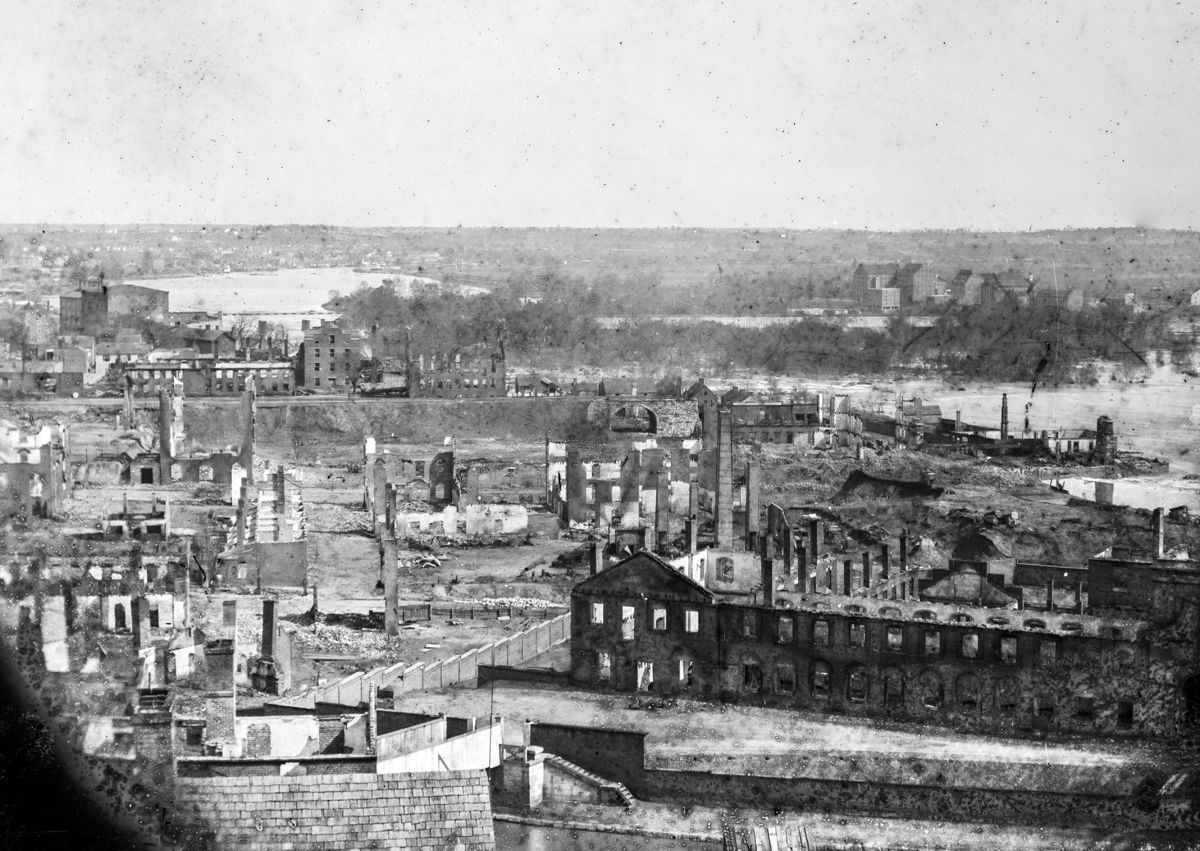
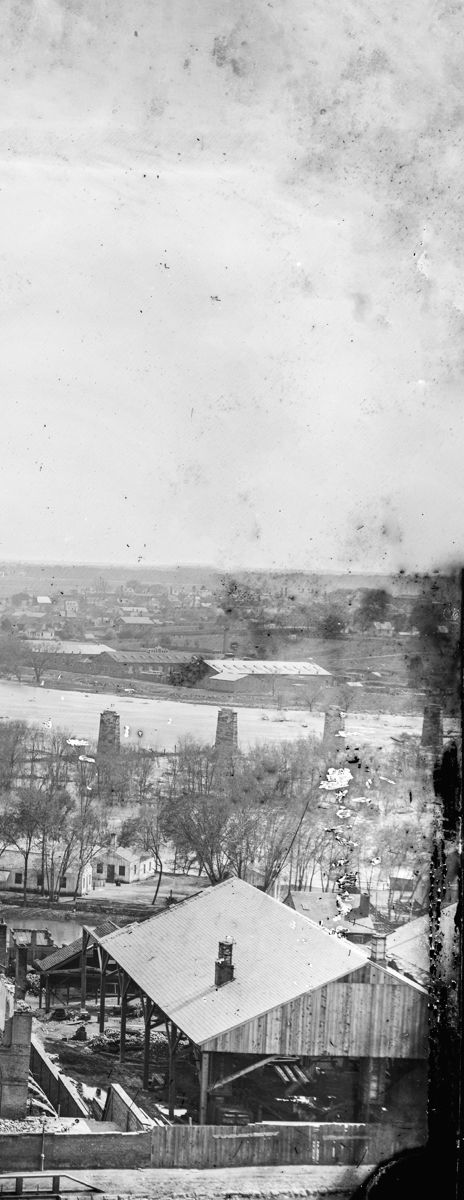
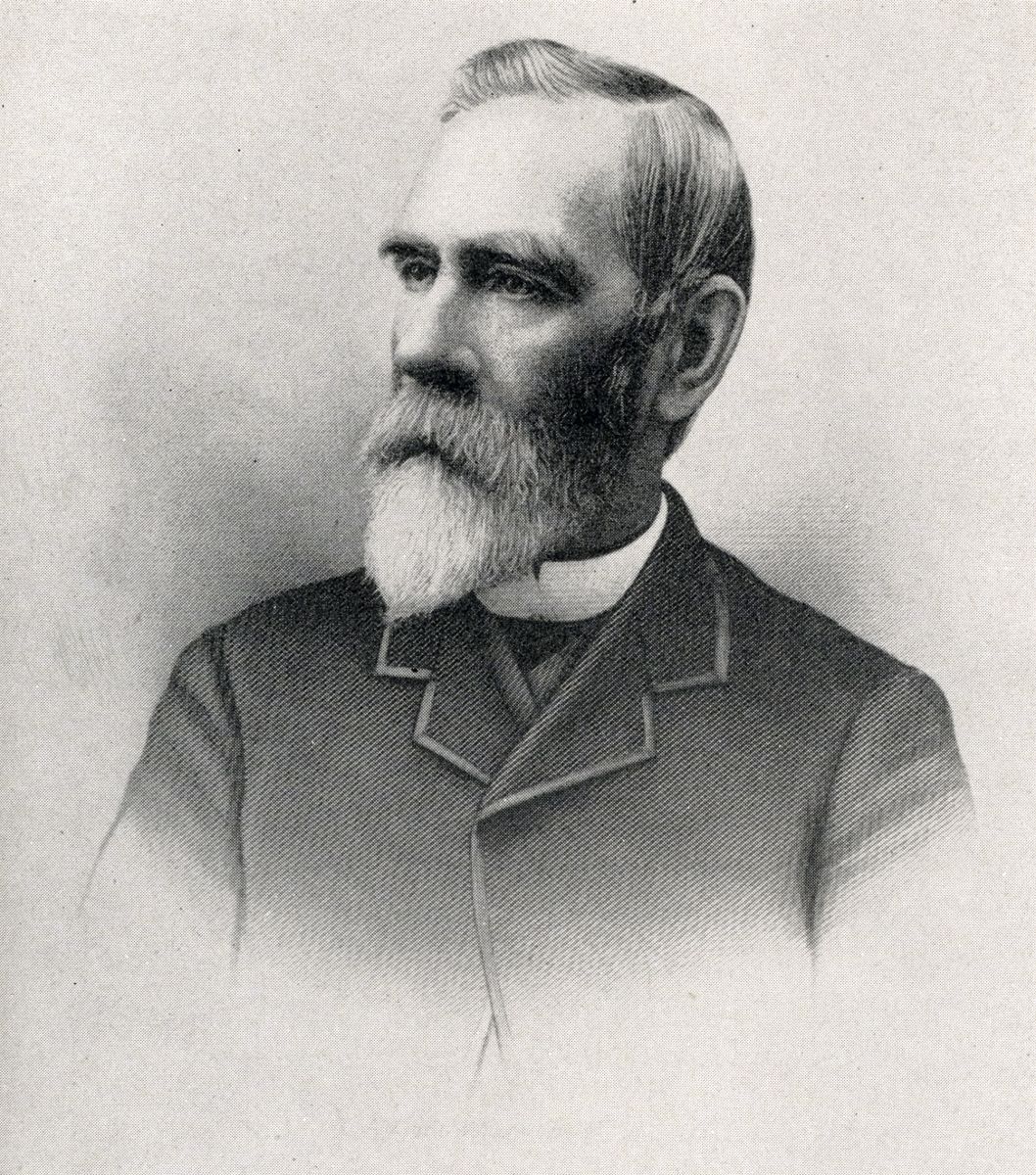
James H. Burton. (August 17, 1823 – October 18, 1894) Left: Overall view of Merrill-altered 2nd Model Virginia Manufactory rifle. Civil War photograph of the ruins of State Arsenal and the Richmond & Petersburg Railroad bridge. Richmond, Va. (Library of Congress)
The production of “Second Model,” or “Type II,” Virginia Manufactory Rifles began circa 1810–1811, but no rifles were completed until 1812. These rifles were similar to the earlier “Type I” but were .45 caliber, with a nominal 39 inches (38 ¹³⁄₁₆ inch) octagonal barrel and an overall length of 55 inches. The barrel was secured with three keys and a screw through the breech plug tang. Like the earlier rifle, it was a flintlock muzzleloader, brass mounted like the earliest “Type I” rifles. Again, the design incorporated a full-length stock with no provision for a bayonet. U.S. tactical doctrine of the period saw the rifle as a specialty weapon, and they were not generally equipped with bayonets. Instead of the “Snake Patchbox,” a more conventionally shaped four-piece brass patchbox was incorporated in the obverse buttstock. Between 1812 and 1821, 1,760 Second Model Virginia Manufactory rifles were produced, bringing the total rifle production of the Virginia Manufactory to 2,093. Between 1809 and 1815, the Commonwealth also purchased some contract rifles and did so again in 1819. These contract rifles were quite similar to the current production Second Model rifles, and a total of 2,145 were so acquired. Thus, the Commonwealth of Virginia manufactured or purchased 4,238 flintlock rifles between 1803 and 1821. According to George Moller’s research, between 1,000 and 1,500 of these flintlock rifles were in storage at various locations throughout the Commonwealth in 1860. During the fall of 1858 and spring of 1859, one of the largest pre-war operations was undertaken to alter Virginia Manufactory rifles from flint to percussion. During that period, some 600 Virginia Manufactory rifles were forwarded to the Washington Arsenal for alteration, but only 32 were modified. The balance were shipped to Harpers Ferry, where in early 1859, hammers and jigs were produced to perform the alterations, and the remaining rifles altered and then returned to the Richmond Arsenal. The cost by the U.S. Ordnance Department was charged against Virginia’s yearly allotment of arms under the Militia Act of 1808; the effective “cost” of the work equated to a deduction of some 44 muskets from the Commonwealth’s yearly allotment. As a result of the John Brown Raid on Harpers Ferry on October 16, 1859, nearly all these rifles were issued to the Virginia Militia. The raid likely Ruins of State Arsenal (formerly Virginia Manufactory) and view down James River, Richmond, Va. (Library of Congress)
MILITIA ACT OF 1808 Provisions That the annual sum of two hundred thousand dollars be, and the same hereby is appropriated, for the purpose of providing arms and military equipments for the whole body of the militia of the United States, either by purchase or manufacture, by and on account of the United States. SEC. 2. And be it further enacted, That the President of the United States be, and he hereby is authorized, to purchase sites for, and erect such additional arsenals and manufactories of arms, as he may deem expedient, under the limitations and restrictions now provided by law: Provided also, that so much of any law as restricts the number of workmen in the armories of the United States to one hundred men, be, and the same hereby is repealed. SEC. 3. And be it further enacted, That all the arms procured in virtue of this act, shall be transmitted to the several states composing this Union, and territories thereof, to each state and territory respectively, in proportion to the number of the effective militia in each state and territory, and by each state and territory to be distributed, to the militia in such state and territory, under such rules and regulations as shall be by law prescribed by the legislature of each state and territory.
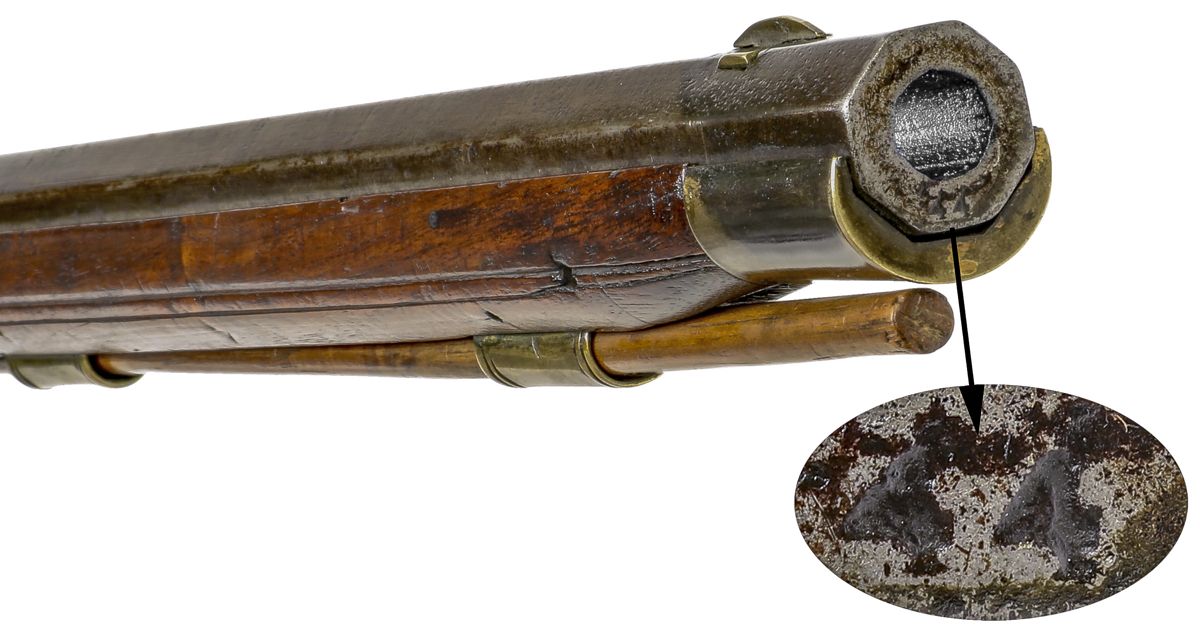
induced the Commonwealth to look to other potential locations to have their remaining stock of flintlock rifles altered. One firm that the Commonwealth turned to was Merrill, Thomas & Company of Baltimore. Merrill, Thomas & Company had formerly been the firm of Merrill, Latrobe & Thomas. It had manufactured the Merrill, Latrobe & Thomas breechloading carbine for the U.S. military circa 1855. It would go on to manufacture Merrill breechloading carbines and rifles for the Union during the American Civil War. The firm agreed to undertake the alteration process for $2 per rifle, plus shipping and packing costs. Between 250 and 360 rifles were forwarded to Baltimore for alteration in early 1861; one shipment consisting of 172 rifles was returned on April 17, 1861, less than a week after the firing on Fort Sumter. The work is distinctly identifiable as Merrill’s, as the percussion bolster and hammer have the same profile found on Merrill patent carbines and rifles. The oblong, angled bolster included a clean-out screw and was brazed over the original flintlock vent hole. The external flintlock battery was removed, and the associated lock holes were filled. A percussion hammer of Merrill’s design was added to the tumbler, and the percussion alteration process was complete. An additional feature of the Merrill-altered rifles was that the barrels were cut back slightly from their original 39-inch length to between 36 inches and 36 ½ inches. A number was then stamped on the face of the muzzle, which is believed to be an alteration inventory number, to keep track of the number of guns altered and to be billed for.
According to the research presented in Confederate Rifles and Muskets by Dr. John D. Murphy and Howard M. Madaus, at least 270 Merrill-altered Virginia Manufactory rifles can be documented as being issued between April 1, 1861, and June 13, 1861. The guns were issued as follows: “50 Virginia Altered Rifles to Captain W.W. Cogbill, Chesterfield,” is believed to be W.T. Cogbill of the “Chesterfield Central Guards,” who would go on to be Company D of the 14th Virginia Infantry. “60 Altered Virginia Rifles to Captain S.S. Williams, Woodstock.” This appears to be Samuel C. Williams of the “Brooklyn Grays,” who would go on to be Company F of the 10th Virginia Infantry. “100 Virginia Altered Percussion Rifles to M.J. Harman, Staunton.” This appears to be Quartermaster M.G. Harman of Staunton, who subsequently issued the guns to the regiment assembled by Colonel George A. Porterfield, which would become the 25th Virginia Infantry. “10 Virginia Percussion Rifles to Captain J.W. Timberlake, Greenwood Depot.” These guns went to the “Albemarle Rangers.” “12 Virginia Percussion Lock rifles to Captain Thomas G. Pollock” for issue to the “Wise Skirmishers.” Captain Pollock was a company commander in the 46th Virginia Infantry, who would later go on to serve on the staff of General Kemper and be killed at Gettysburg.
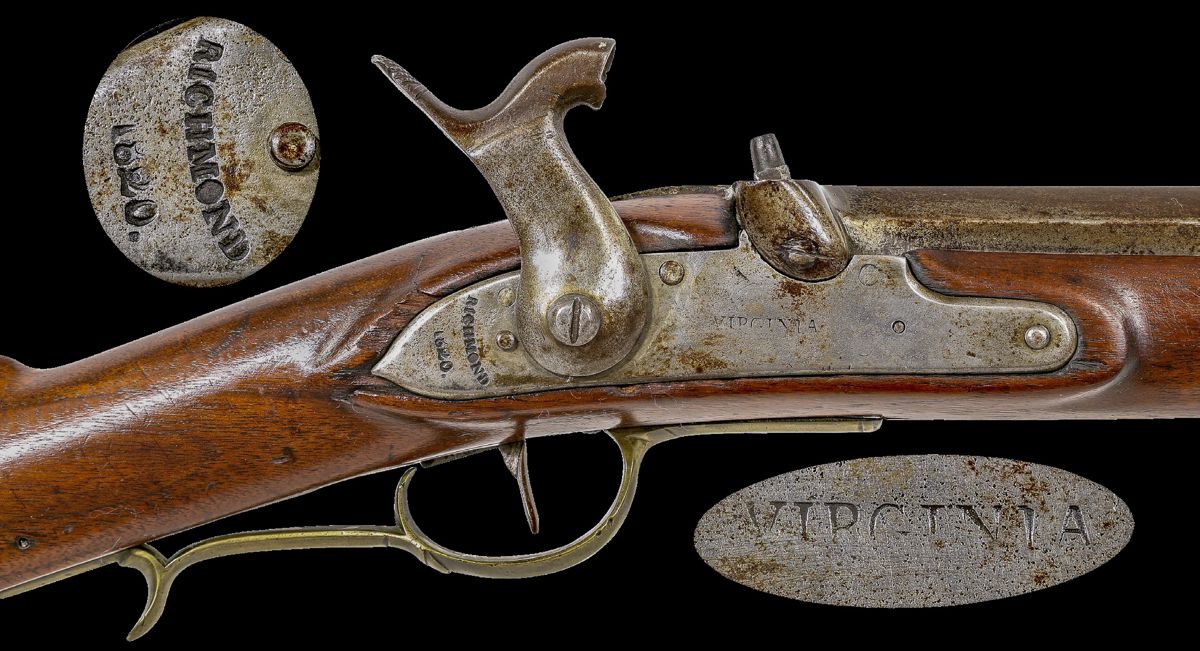
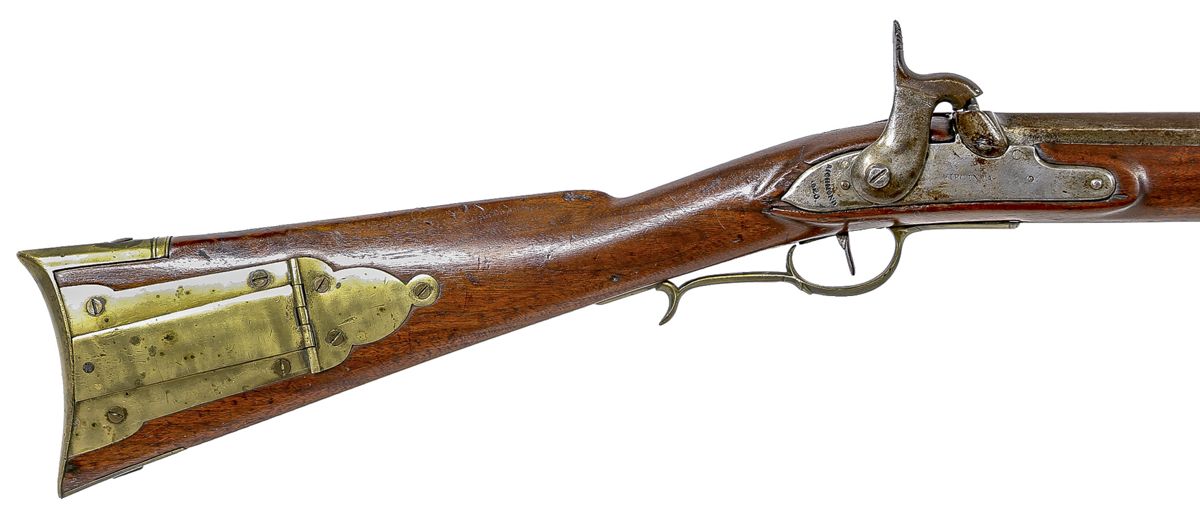
Close-up of the lock area of a Merrill-altered Virginia Manufactory 2nd Model rifle, showing the distinctive Merrill bolster and hammer.
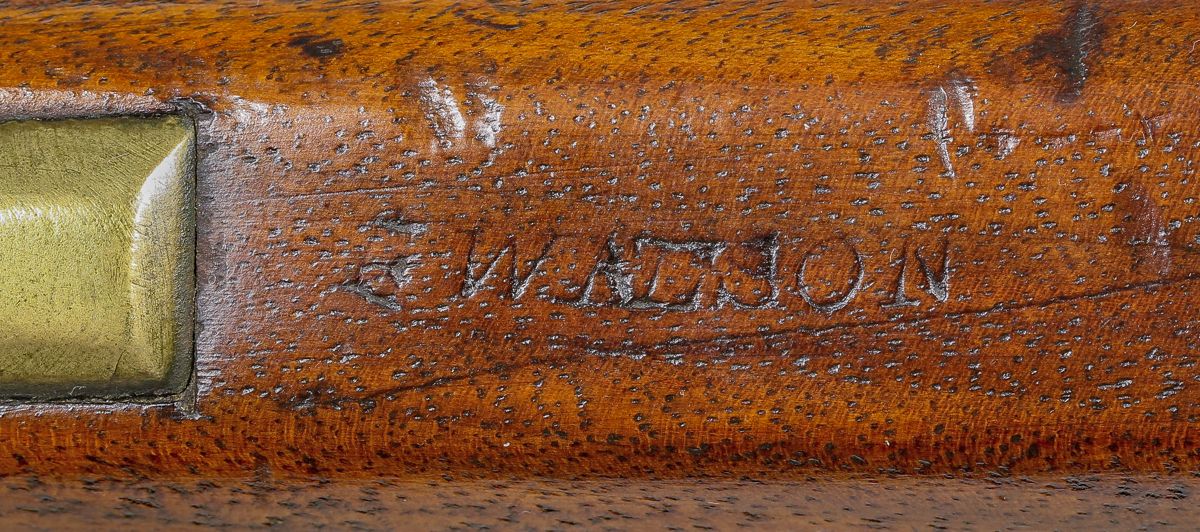
Close-up of the name carved into the stock behind the triggerguard of the Merrillaltered Second Model Virginia Manufactory rifle. The name, E. Watson, links this rifle to the 46th Virginia Infantry, who were issued 12 percussion-altered “Virginia Rifles.”
Detail of the muzzle area of the Merrill-altered Second Model Virginia Manufactory rifle showing the Merrill conversion inventory number “44.”`
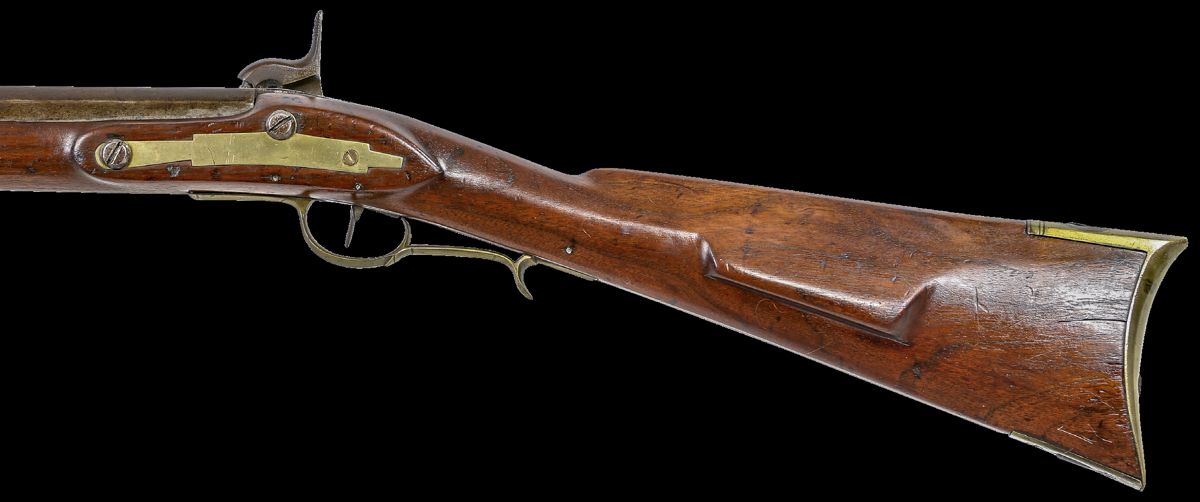
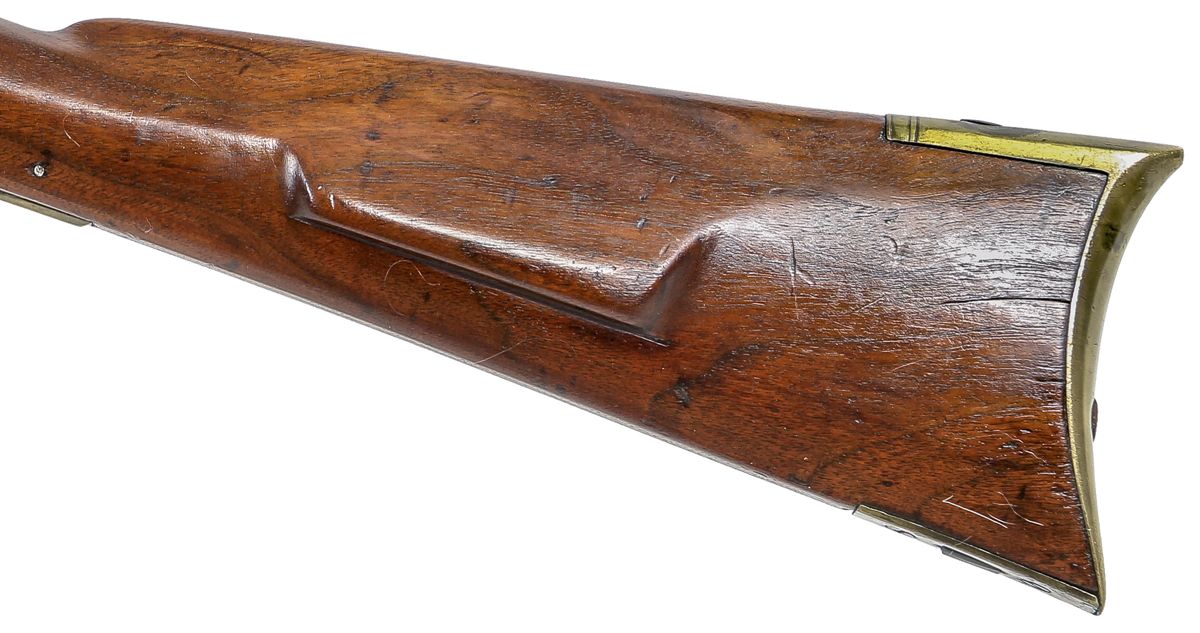
Detail of the cheek rest and counterpane of a Merrill-altered 2nd Model Virginia Manufactory rifle.
Close-up of the patchbox and lock area of the Merrill-altered 2nd Model Virginia Manufactory rifle.
Murphy & Madaus believed that some guns listed above included Merrill-altered rifles from the first batch of rifles altered at Harpers Ferry. As the first issues of the percussion-altered rifles listed above occurred on April 1, 1861, slightly more than two weeks before the first Merrillaltered guns were returned, those rifles had to be Harpers Ferry-altered guns. Other “Virginia Rifles” issues are noted, but these references make it impossible to determine if the guns were percussion altered or remained in their original flintlock configuration. Using George Moller’s research as a point of reference, when the war broke out, approximately 700 to 1,200 Virginia rifles remained in store in their flintlock configuration after deducting the Merrill and Harpers Ferry altered rifles from his 1860 figure. Many of these guns were subsequently altered to percussion by Virginia-based contractors, like those listed earlier in this article. The Merrill-altered 2nd Model Virginia Manufactory rifle pictured in this article conforms in all ways to the handful of known examples that survive today. The rifle has the expected Merrill pattern hammer and bolster, and the barrel has been shortened from a nominal 39 inches to 36 ¼ inches. The face of the muzzle is numbered 44. Interestingly, the only Merrill-altered Virginia Manufactory rifle available for the Murphy & Madaus study was #46, only two numbers away from this example. The original Virginia Manufactory markings remain on the lock, including a large VIRGINIA under the bolster and RICHMOND / 1820 in a two-line vertical arc behind the hammer. The rifle is additionally stamped E WATSON in the belly of the stock behind the triggerguard. An examination of Confederate enlistment rolls shows both an “E Watson” and a “G Watson” served in the 46th Virginia Infantry, a regiment that was issued 12 of the Merrill-altered Virginia rifles via Captain Pollock. The regiment used these guns for a small group of skirmishers. Other than the replacement wooden ramrod and some restoration of the last couple of inches of the forend, the gun pictured in this article remains in its original configuration as it saw use during the Civil War.
E WATSON About the Author
Tim Prince is a full-time dealer in fine and collectible military arms from the Colonial Period through WWII. He operates College Hill Arsenal, a web-based antique arms retail site. A long-time collector and researcher, he has been a contributing author to two major book projects about Civil War era arms including The English Connection and a book on southern retailer-marked and Confederate-used shotguns. He is the author of over 60 articles on weapons in Civil War News. Tim is also a featured Arms & Militaria appraiser on the PBS Series Antiques Roadshow and serves as a Senior Consulting Specialist to the Arms & Armor department of Cowan’s, a Hindman Company.