
Schneider & Glassick Confederate Navy Revolvers
By John Sexton · Originally published July-August 2023 · pp. 48–79
The Rarest of the Rarest
Schneider & Glassick Confederate Navy Revolvers By John Sexton chneider & Glassick produced brass frame Colt pattern navy revolvers during 1861–1862. Production estimated by the author is 25; only two documented survivors are known. The overall survival rate of all Confederate manufactured revolvers is about 12%. The two survivors are serial numbers (SN) 6 and (SN) 23 which fit into this estimated survival percentage. There are many fraudulent examples of this revolver as it is the most difficult of all Confederate Colts to find and the most commonly counterfeited. In May 1861 Schneider & Glassick obtained a contract to provide 180 pistols for Mississippi. The only mention of completed pistols occurred on December 8, 1861, in a Memphis newspaper article.
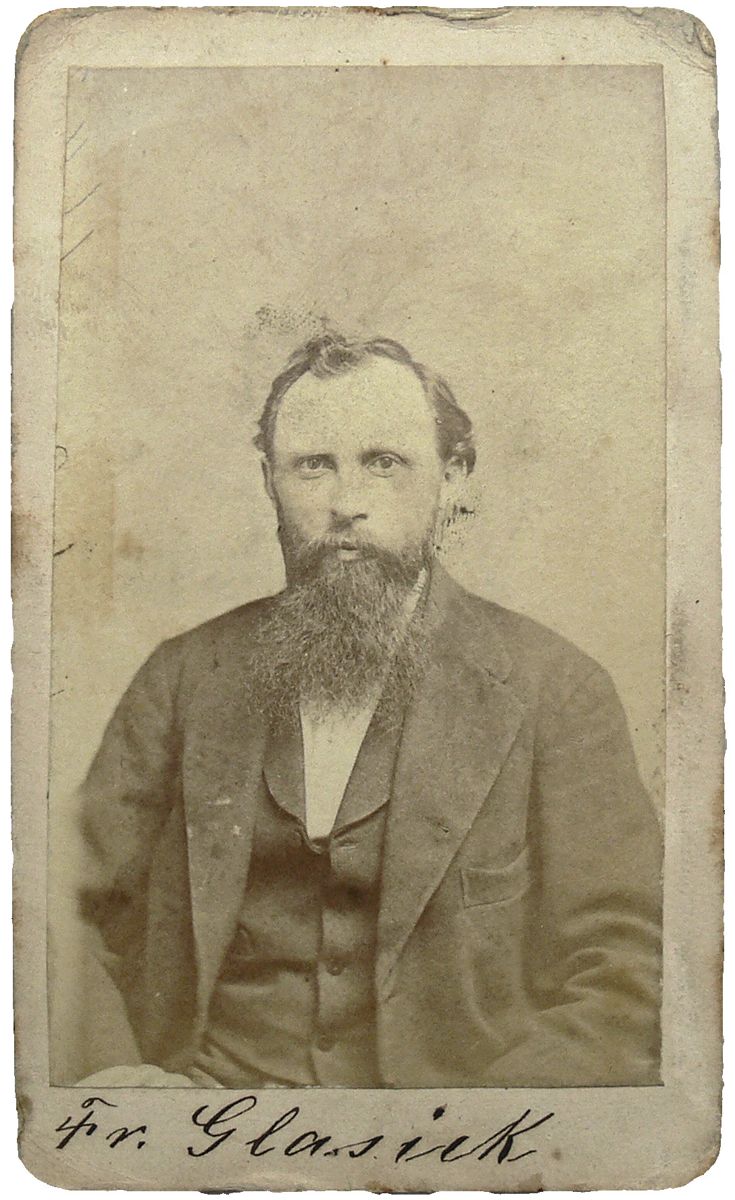
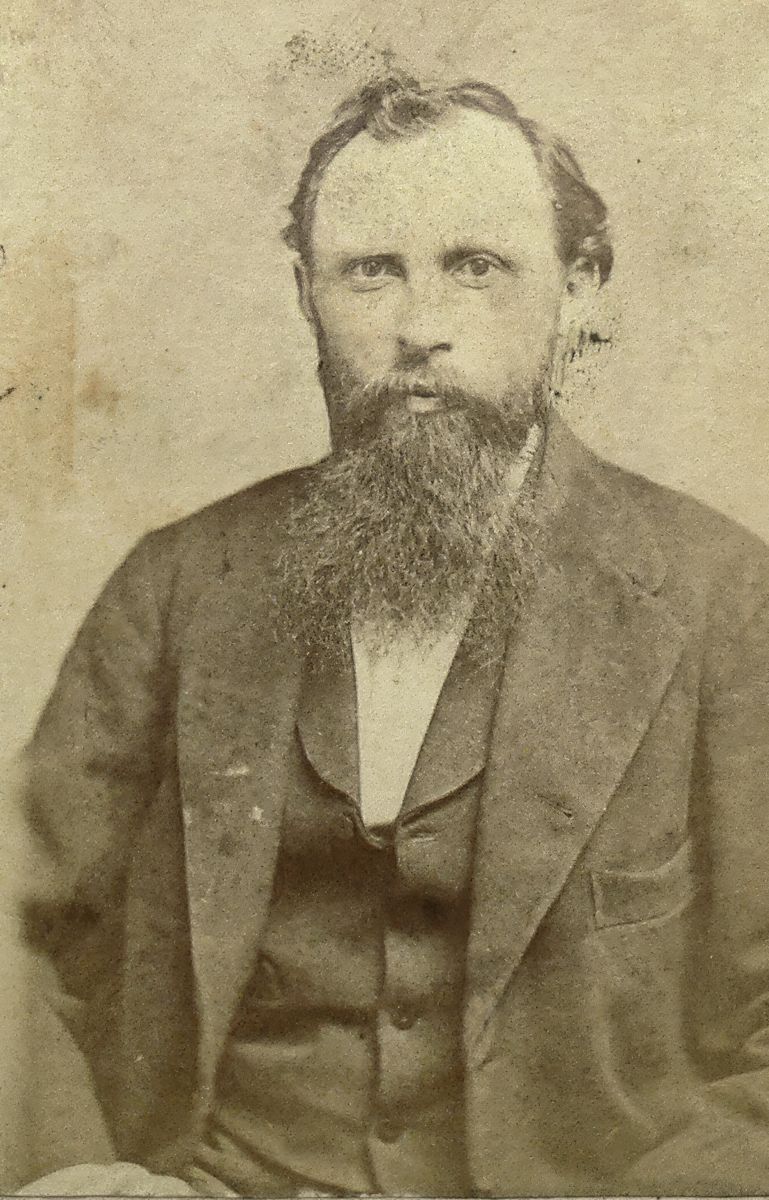
Frederick Glassick (1830–1912) emigrated to the United States in 1852 and also worked as a gunsmith and gun dealer through at least 1869. “F. Glassick & Co.” was in business after the war in partnership with another German emigre, Peter H. Heinrich (1836–1870) who was involved in several other Memphis businesses. By 1872 Glassick was farming in Pulaski, Ark. In 1873 he was appointed justice of peace and would serve as county clerk and other political capacities until his death in 1912. The last few years of Glassick’s life, he suffered from cataracts according to his suicide note. Glassick’s only child died as infant along with his wife in 1867. Their legacy is surviving guns that bear their name made early in Civil War.
In the December 8, 1861, Memphis Daily Appeal, page 4, ran a short note praising Schneider & Glassick “…a six-shooter navy pistol of their manufacture. It is a beautiful weapon, not inferior to Colt’s make in any particular.” It is the only mention of Schneider & Glassick production. Surviving receipts and invoices show the Schneider & Glassick firm was very busy with several local units, and the Confederate arsenal at Columbus, Miss., repairing arms. They were repairing Colt navy revolvers and double barrel shotguns for Mississippi and Tennessee units stationed in area. Receipts show they repaired many revolvers and double barrel shotguns for Wirt Adams’s 1st Mississippi Cavalry and Nathan Bedford Forrest’s cavalrymen in late 1861. Several receipts show a probable connection of Schneider & Glassick made revolvers with these units. There is much incorrect information previously published on Schneider & Glassick. Hopefully this monograph will answer many questions accurately. William Schneider (1823–1873) was German emigre who entered the United States about 1850. By 1855 he is listed as a Memphis gunsmith as SCHNEIDER & GLASSICK with Frederick Glassick as a partner. William Schneider can be found in newspaper ads listed as “Schneider & Co” 1858–1859, as the initial partnership seemingly dissolved only to be reformed in late 1860 as war fever was spreading. Schneider died in Memphis during a Yellow Fever epidemic on October 4, 1873. He was only 50 years old. William’s personal effects were gunsmithing tools and few guns; they were sold for $447 to benefit his widow Theresa. Schneider had no children.
Frederick Glassick. Memphis had large antebellum German community; all five gunsmiths listed in 1855 city directory were of German descent. Memphis was the quintessential “Mississippi riverboat town” with a rough reputation, lacking in refinements of other American cities its size; it was a town built on cotton and vice. Derringers, daggers, and Bowie knives were popular among the boatmen, gamblers, prostitutes, and ruffians. All were sold in Memphis. Many derringers made circa 1850–1870 bear the names of Memphis gunmakers, including the antebellum “SCHNEIDER & CO / MEMPHIS, TENN” and post war “F. GLASSICK & CO / MEMPHIS, TENN.” The two surviving Confederate revolvers marked “SCHNEIDER & GLASSICK MEMPHIS TENN” were manufactured during 1861–1862. The revolvers are the rarest of the rarest Confederate manufactured military revolvers. This is one of three receipts for a “navy repeater” from November 1861 issued by Memphis Military Store Keeper (MSK) Jno. E. Logwood. (Robert Muldrow, Wood’s Mississippi Cavalry, Fold3.com, page 27.)
If a third authentic survivor were to surface, it should exceed the record price for a Confederate revolver set in November 2022 for Cofer percussion pistol, serial “N,” a revolver that sold for $585,000, and there are 13 Cofers surviving, although only a few are complete examples. This receipt is likely for a Schneider & Glassick navy revolver, as no other Confederate-made revolvers were manufactured this early. Other pistol manufacturers such as Colt, Starr, and Savage, are identified on similar receipts when not Confederate made.
This ad ran from November 1859-June 1860 in the Panola Miss., Panola Weekly Star. It is assumed that this is about the time arms appear with their “Schneider & Glassick Memphis Tenn” marking.
Captain Robert Muldrow, Co. E., Wirt Adams 1st Mississippi Cavalry, signed one receipt for a pistol. First Mississippi Cavalry units were supplied with many arms repaired by Schneider & Glassick as noted in their receipts. What became of William Schneider and Frederick Glassick after the Union captured Memphis is not documented. The records from Briarfield Arsenal in Columbus, Miss., may show they continued work there if they are ever found. Briarfield employed 1,000 men when William R. Hunt left Memphis to command there. Most payment receipts to Schneider & Glassick were signed by Hunt when the firm was still in Memphis. Repeated advertisements in July 1862 Memphis newspapers show letters for “Schneider & Glassick” and William Schneider were unclaimed at the Memphis post office, so they almost certainly had left town. Memphis would not be occupied till June 6, 1862, but preparations were being made to move ordnance stores to Columbus during May.
September 10, 1861, repaired three Colt navy pistols & holsters, and one carbine for “Briarfield Rebels.” (Schneider & Glassick, Citizens File, page 15, Fold3.com.)
Receipts from Schneider & Glassick continued until June 4, 1862, with the latest delivery to Grenada, Miss. The previous receipt was dated June 3, with delivery to Memphis. The June 4 receipt is the last record of William Schneider and Frederick Glassick until 1865 when both emerged in Memphis at new addresses as gunsmiths again. Where did they go?
We know Schneider & Glassick had pistols shipped south from Kentucky and Missouri via the Mississippi River that were seized early in the war after their contract with Mississippi for 180 revolvers. The Union blockade of river had begun. Schneider & Glassick must have started production of their own “Colt Navy” soon after this time as they could no longer buy Colt revolvers. Schneider & Glassick would have less than a year to manufacture every revolver they could, all while still repairing hundreds of arms for local troops. No wonder the highest serial known is 23 and there are only two known survivors. Schneider & Glassick would on March 5, 1862, advertise that their entire
This ad ran from March 5 to May 5, 1861. Note that a revolver has been added to the illustration. Schneider & Glassick were importing Colt pistols through St. Louis suppliers until the Union occupation and blockade of river trade. Schneider & Glassick had to start making revolvers to fill a contract as they could no longer find sources outside the Confederacy.
inventory of arms would be delivered to the Confederate government on March 15. Surviving receipts from Schneider & Glassick show deliveries as late as June 4, 1862, two days prior to the Union occupation. Navy caliber revolvers were the preeminent sidearm made by Confederate manufacturers. Griswold & Gunnison, Spiller & Burr, Leech & Rigdon, Rigdon & Ansley, Augusta Machine Works, Dance Brothers, and Columbus Firearms Company all made .36 caliber revolvers. Other than Spiller & Burr, all were copies of the Colt 1851 navy revolver. Most manufacturers produced pistols with round barrels similar to the Colt dragoon but in the smaller .36 caliber navy size; Schneider & Glassick made full octagonal barrels almost identical to Colt with few exceptions, most notably substituting brass for steel in their frames, something Griswold also did, and the Griswold revolvers have a striking resemblance and share other characteristics with the Schneider & Glassick pistols.
The Vicksburg Whig, May 1, 1861, page 2, notes a second case of pistols being shipped south to Schneider & Glassick on the Mississippi River were seized.
The Memphis Daily Avalanche, April 26, 1861, page 2, notes a box of arms being shipped to Schneider & Glassick from Paducah, Ky., was seized. By that time, Paducah was already in Union hands. Above: July 16, 1861, The Memphis Daily Avalanche, page 2, calling on Memphis manufacturers to make needed necessities.
Typical 1861 Confederate Ordnance receipt for money paid to Schneider & Glassick. This receipt is for arms repaired in a two-week period, August 6-20, 1861. (Schneider & Glassick, Citizens File, page 56, Fold3.com.)
Third entry from the bottom is an October 2, 1861, receipt from Schneider & Glassick for one “navy repeater” to DeSoto Light Dragoons, 1st Mississippi Cavalry for $75. Signed by Lt. Wm. T. Cole. (Schneider & Glassick, Citizens File, page 39, Fold3.com, October 1-4. 1861.)
Capt. C.W. Phillips (Phillips Rangers, Wirt Adams Mississippi Cavalry) Jno. E. Logwood, Wirt Adams Cavalry, and Nathan Bedford Forrest Cavalry. (Schneider & Glassick, Citizens File, page 37, Fold3.com, October 9-18, 1861.)
Schneider & Glassick repaired many arms for field officers, including 10 revolvers, 119 double barrel shotguns, 17 Maynard rifles, and 21 Sharps rifles for Colonel Nathan Bedford Forrest between October 12-17, 1861. (Schneider & Glassick, Citizens File, page 33, Fold3.com.)
Schneider & Glassick continued repairs for local units and the armory. This page documents repairs for 68 holster pistols, 46 double barrel shotguns, 6 Sharps rifles, 2 Maynard rifles, and 4 Colts are shown here as being repaired for Nathan Bedford Forrest, November 5, 1861. (Schneider & Glassick, Citizens File, page 35, Fold3.com.)
Memphis Daily Appeal, March 5, 1862, page 2, “…we intend to deliver all such arms not taken away on the 15th of the present month.”
Schneider & Glassick manufactured several brass bullet molds for pistols and longarms, including Enfield rifle bullet molds. The molds started out priced at $45 but by May 1862, they were being paid $65 each. (Schneider & Glassick, Citizens File, page 62 (above) page 70 (right), Fold3.com.)
December 1, 1873, Memphis Daily Appeal, page 4, all William Schneider’s guns and tools sold for $447.
October 4, 1873, Memphis Daily Appeal, page 1. Funeral notice for William Schneider, death from Yellow Fever.
April 14, 1873, Memphis Daily Appeal, page 4, referring to Glassick’s appointment by Arkansas governor to Justice of the Peace and the Civil War manufacture of his “Colt revolver.”
October 2, 1873, Memphis Public Ledger, page 3. Yellow Fever took its toll on Memphis, William Schneider, age 50, was one victim.
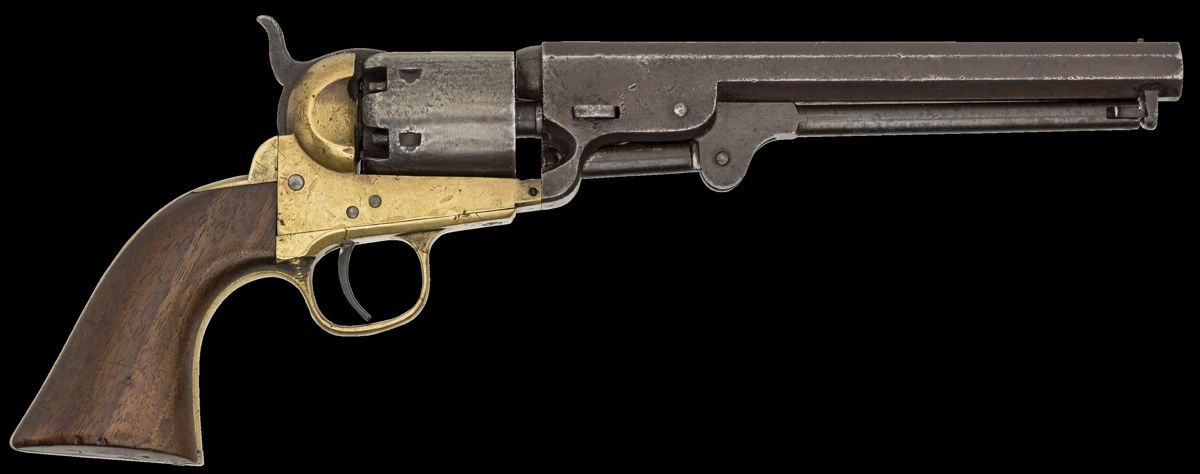
Schneider & Glassick SN 6
Serial number 6, matching numbers observed on every major part.
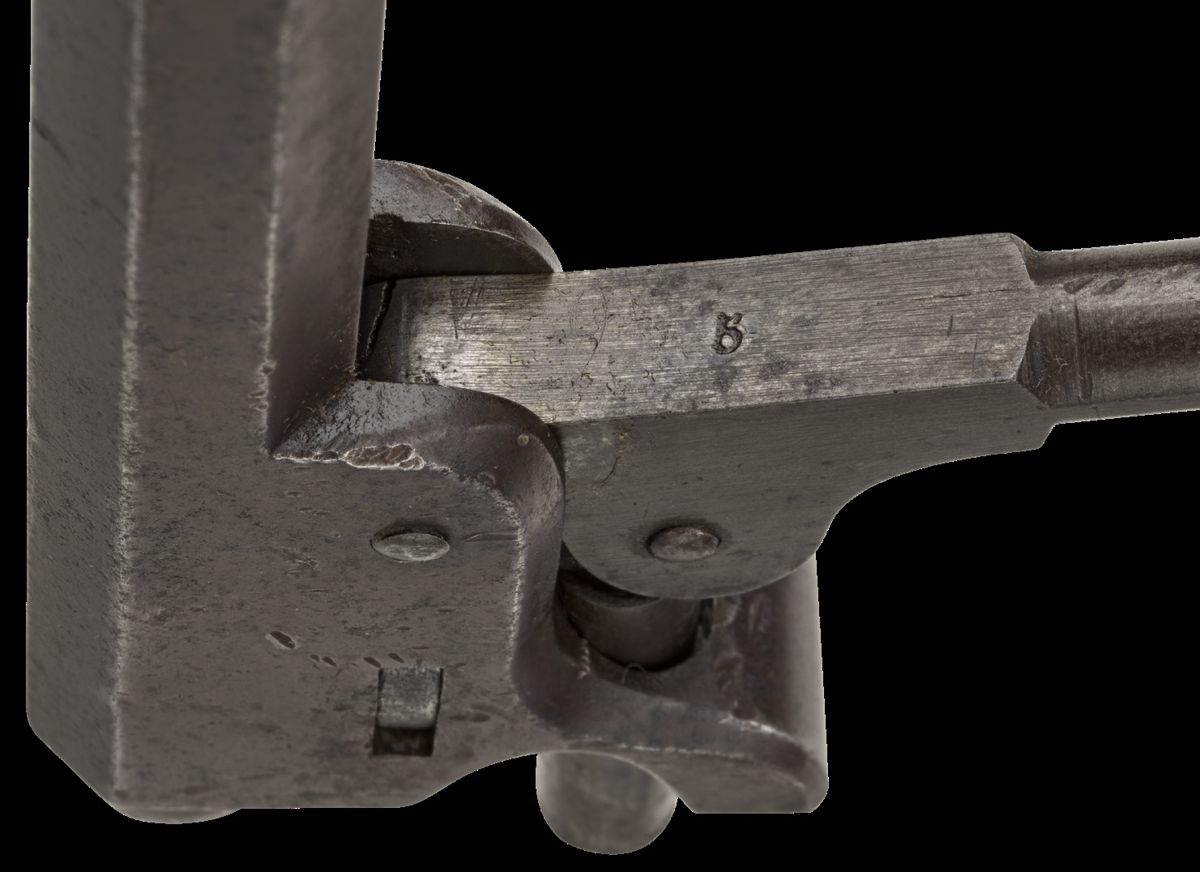
Note SN 6 struck over SN 5 on loading lever flat. It is probable that SN 5 failed and its parts were reused.
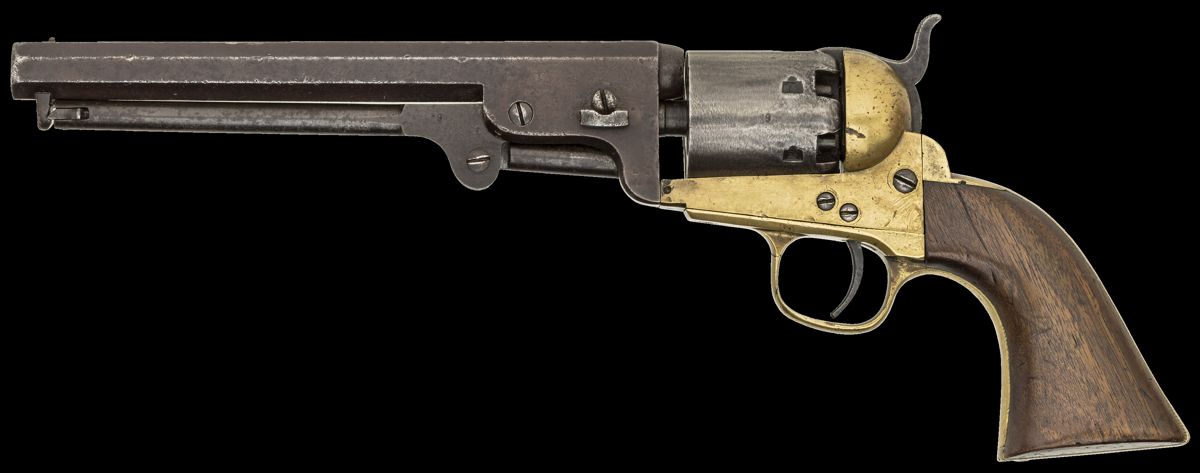
Schneider & Glassick SN 6, owned for many years by Dr. Robert L. Moore of Philadelphia, Miss. It was sold by Conestoga Auctions as part of his estate June 22, 2000, and is in an anonymous Southern collection today.
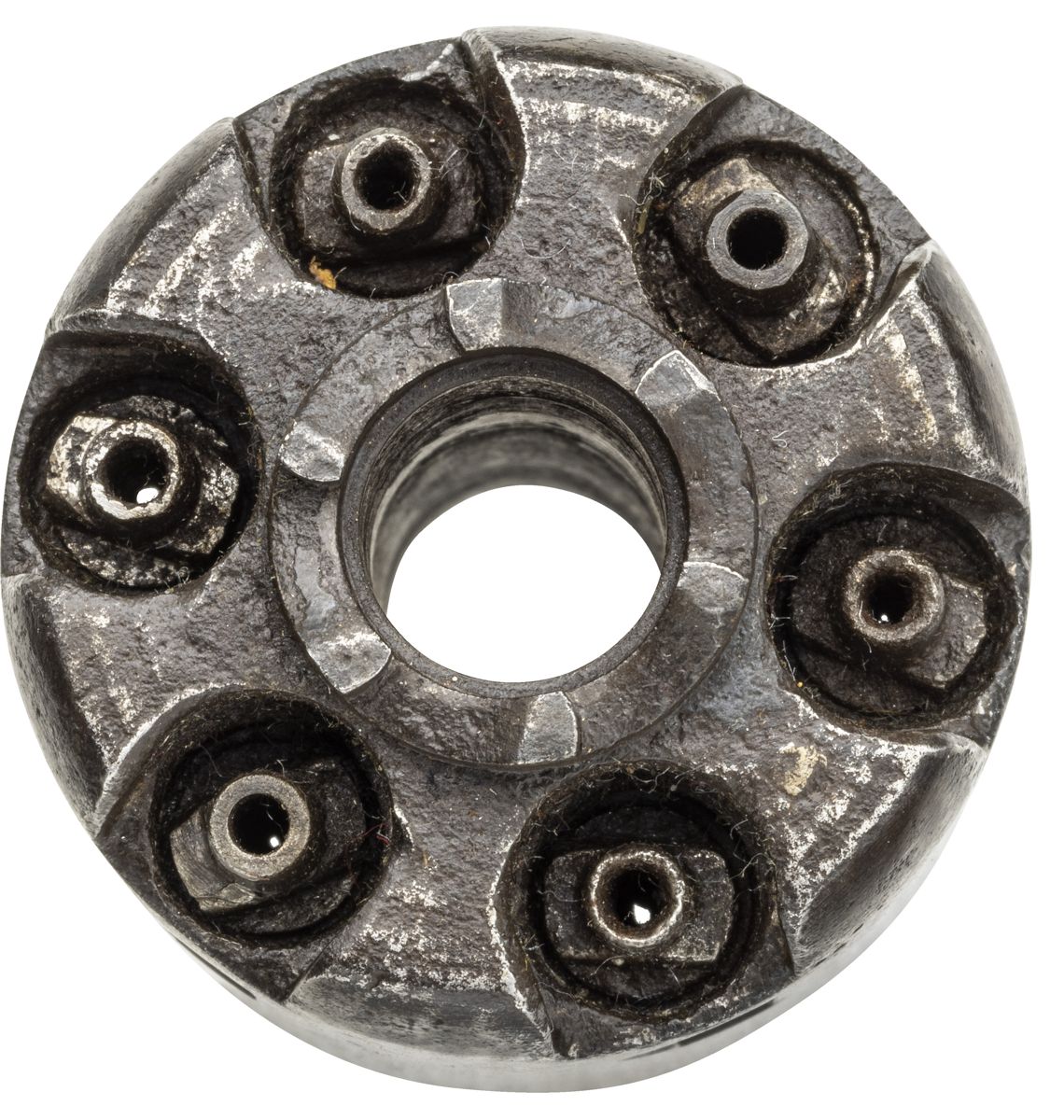
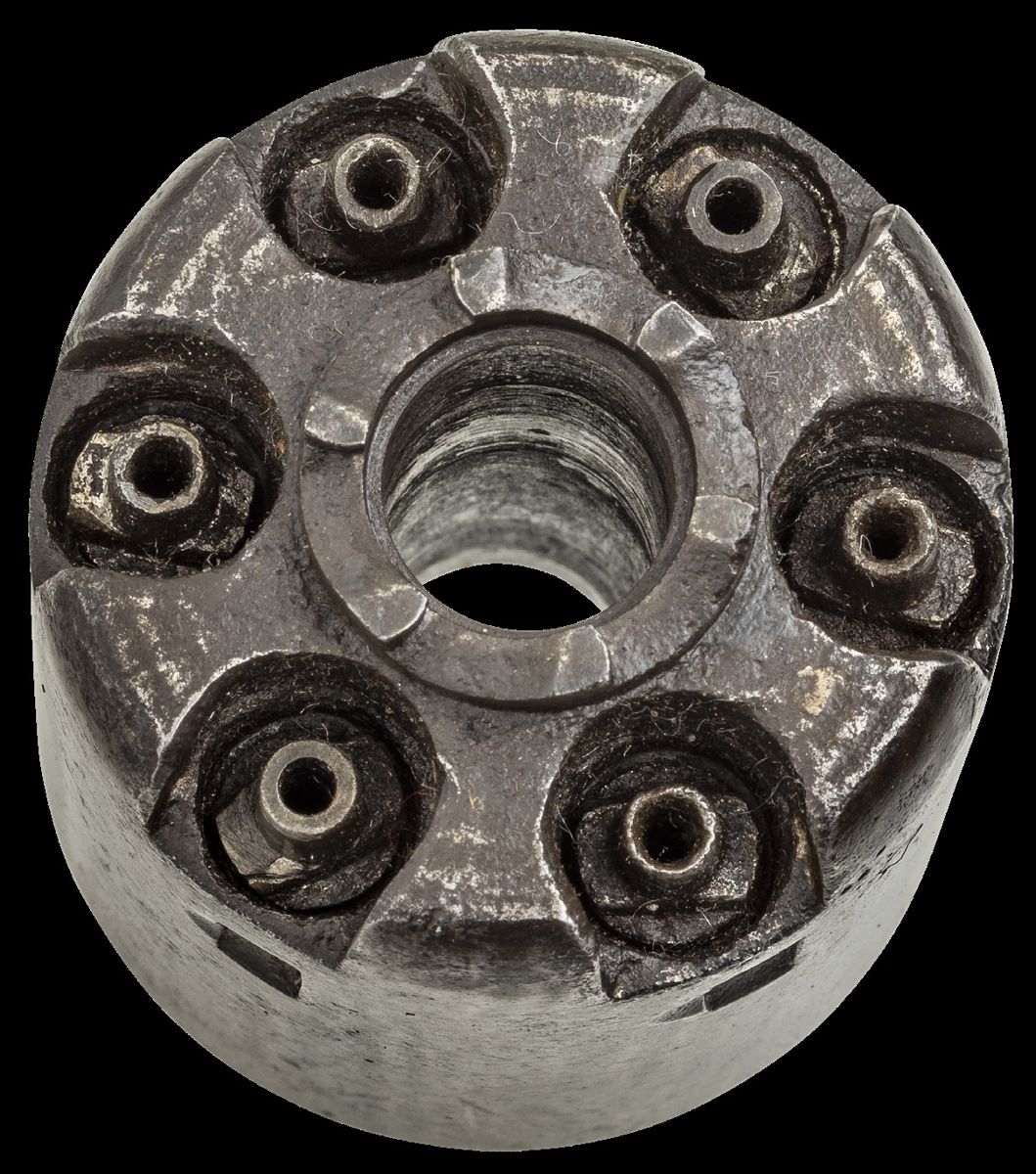
Note the file marks on the cylinder as observed on both Schneider & Glassick survivors. Number “6.” is stamped on the cylinder.
Single safety pin is a feature found on both surviving Schneider & Glassick revolvers.
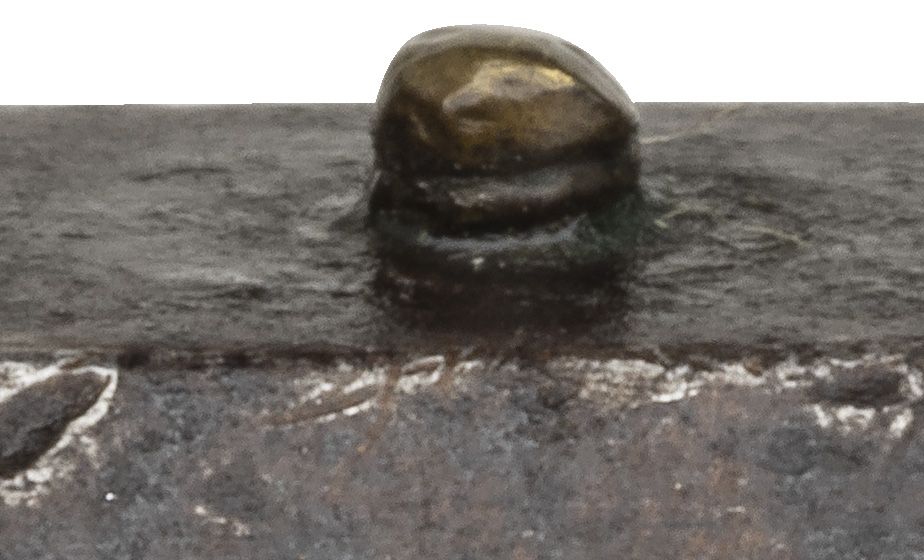
Front sight appears to have been made from a brass threaded screw or threaded rod.
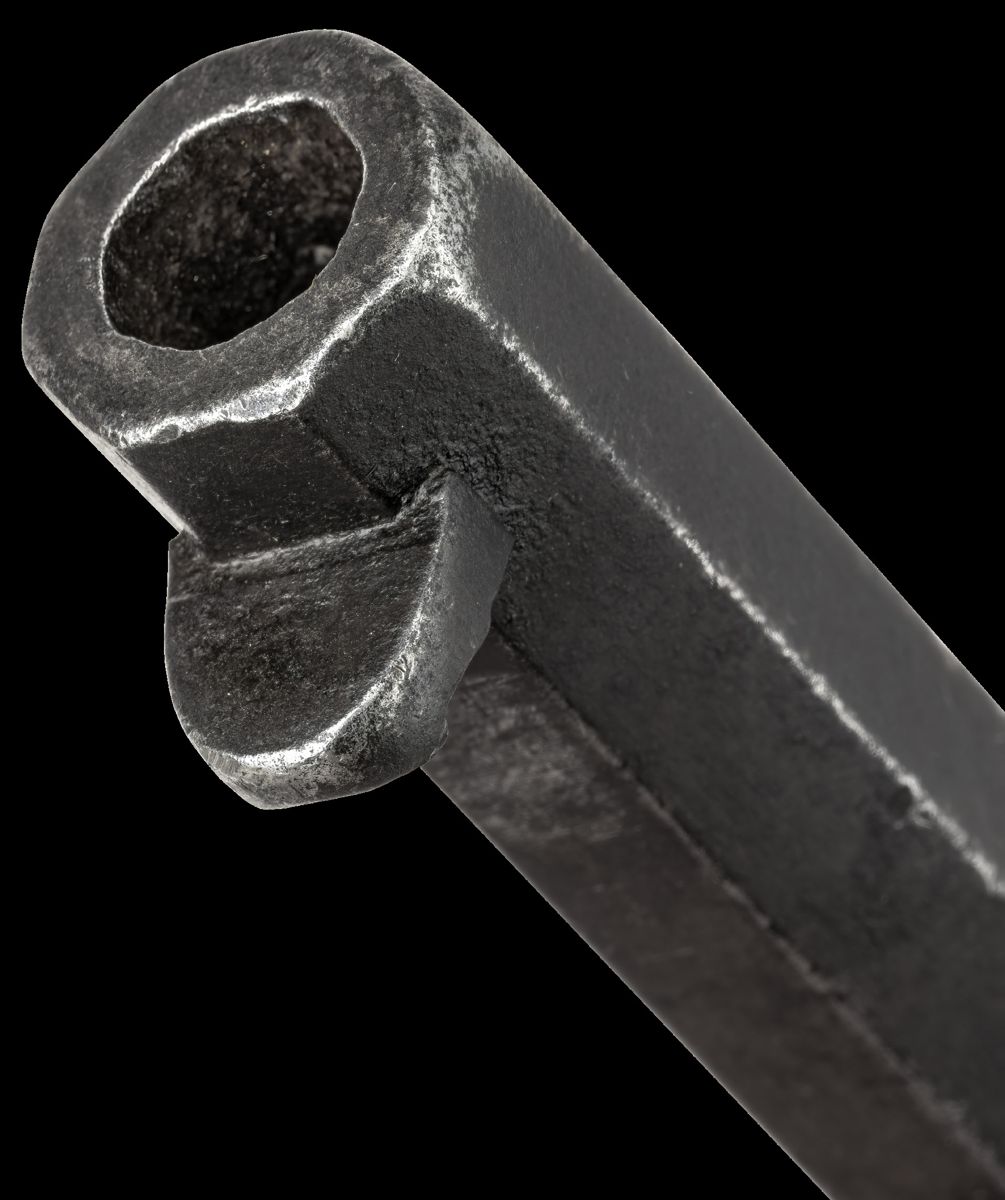
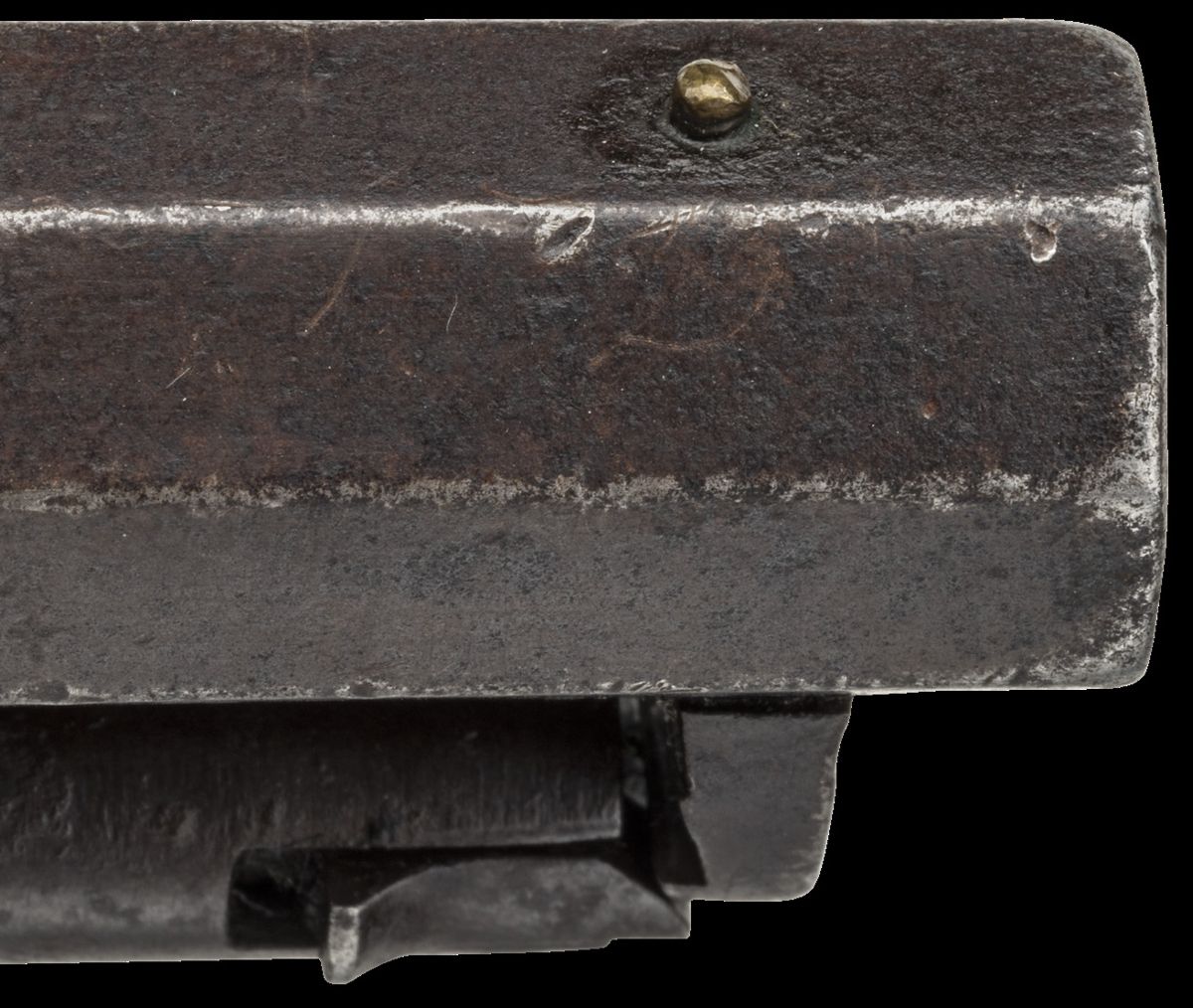
Loading arm catch on the bottom of barrel is patterned after Colt revolvers. Griswold revolvers have a similar catch.
Wooden grips have teardrop profile unlike the oval shape on most Confederate revolvers, other than Dance Brothers.
SN 6 is stamped on the barrel housing, frame, trigger guard, and backstrap. The backstrap SN 6 is upside down in relation to other SNs. It is a “6” and not a “9” as a period is stamped after each “6.”
This is the correct rolled die stamped address found on authentic Schneider & Glassick revolvers. It is noteworthy that the die is stamped to read right to left on SN 6 (above) and left to right on SN 23.
Note the punch marks on the frame alongside the pins to tighten the pins, a probable indication of a repair. Punch marks.
This view shows the cylinder pin with grease grooves cut in the same fashion as Colt and Griswold revolvers.
Like Griswold revolvers, the cast brass frame pins had early structural issues and, like the Griswold, several early guns have iron pins today that replace the original cast brass pins.
SN 6 disassembled view.
Note the punch marks on both sides of the brass frame to secure the pins, a probable indication of a repair.
SN 6 loading arm renumbered “6.” SN “23” is stamped on the inside flat as found on Colt and Griswold manufactured revolvers.
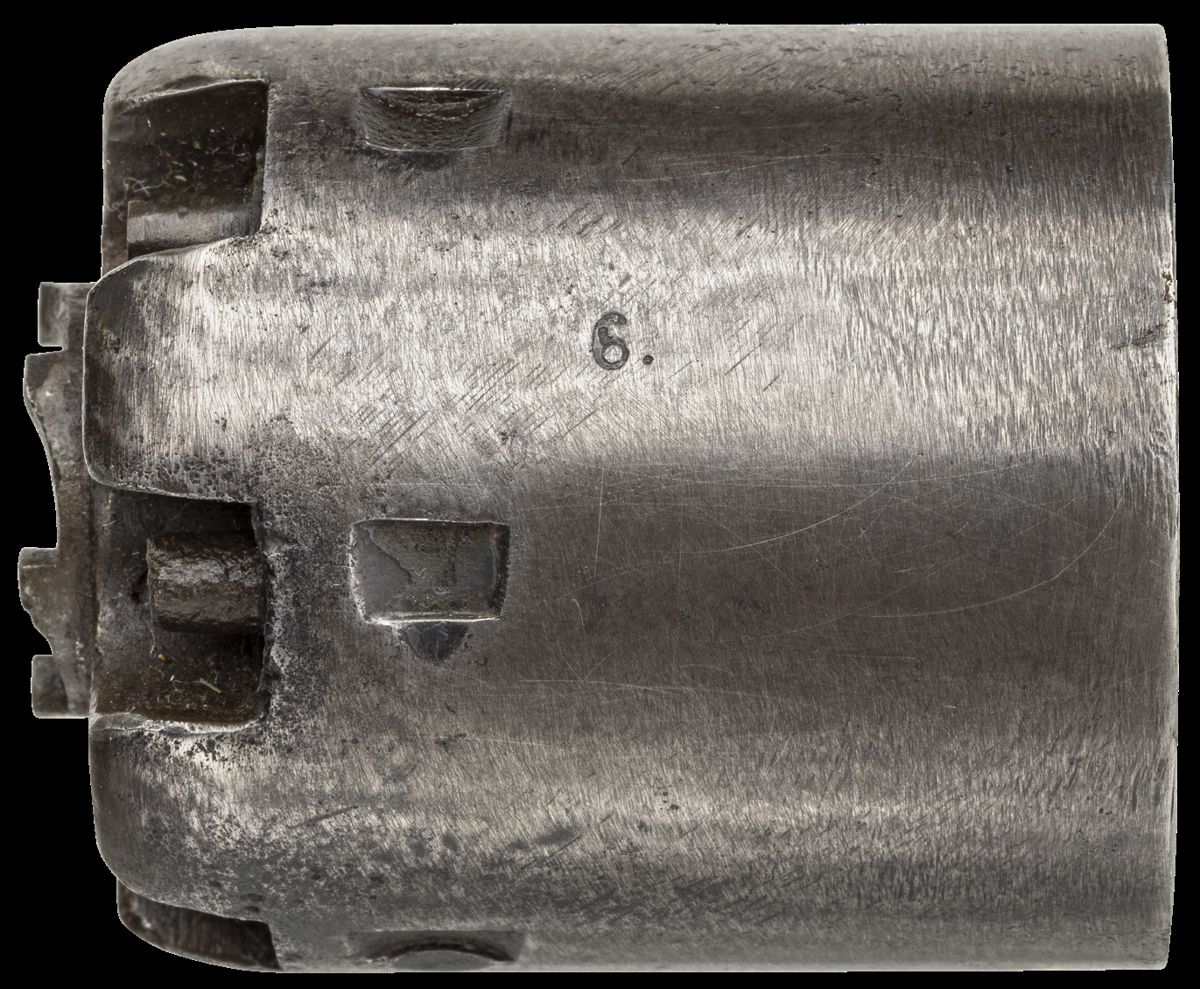
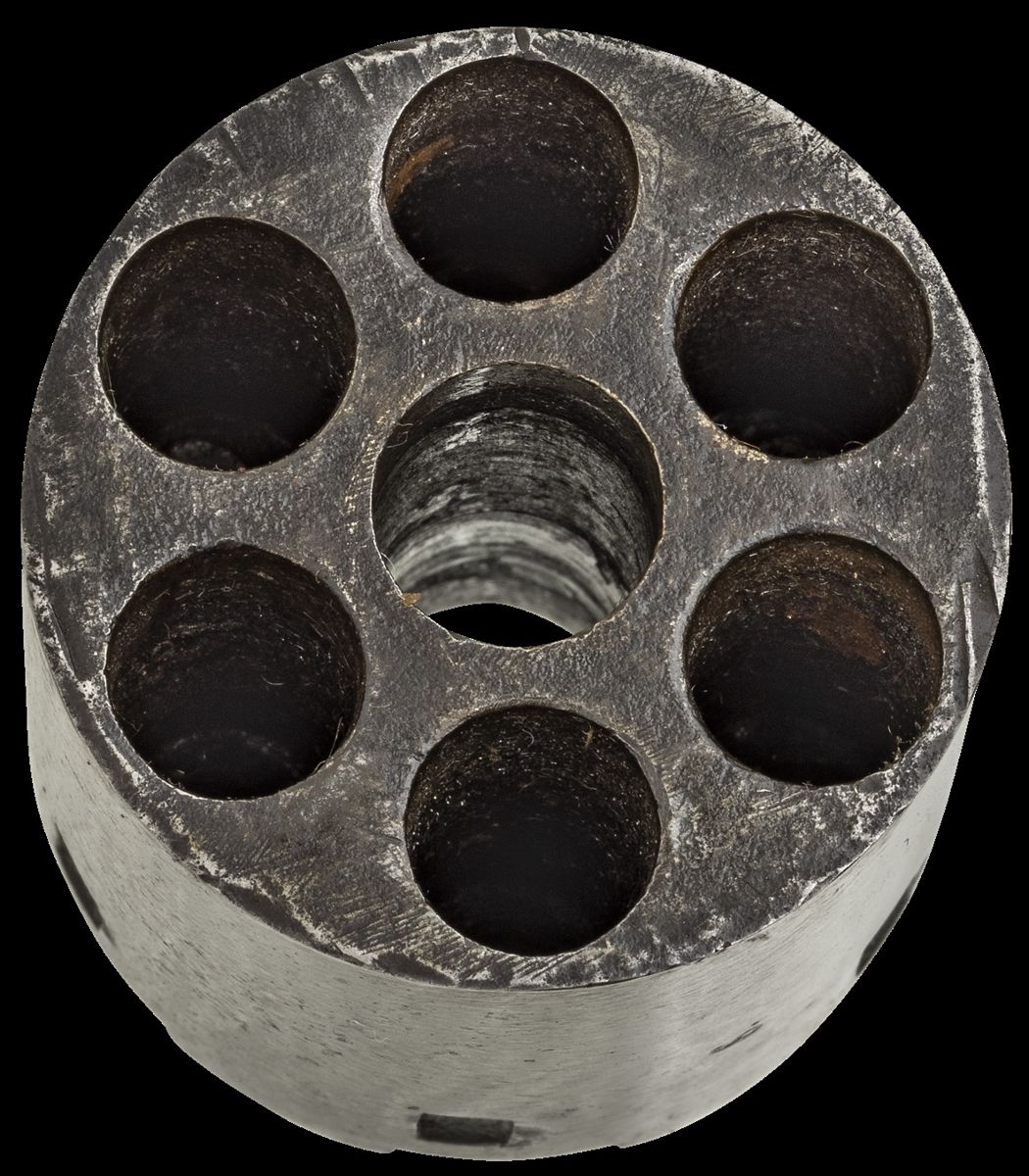
SN 6 disassembled view.
Schneider & Glassick SN 23
Schneider & Glassick SN 23 Schneider & Glassick SN 23 has a long collection history. It was originally discovered in the rafters of a farmhouse near the Stones River Battlefield. Revolver has graced the collections of Robert Ragland, Cecil Godman, James Harris, Fred Slaton, Gene Mathis, before finding a permanent home at Lincoln Memorial University in the Dr. Carroll Rose collection. In the late 1990s, this became the first Confederate revolver to exceed $200,000 in a private sale. (Photos of SN 23 by Othais McCarthy, candrsenal.com.)
Note SN 23 on the cylinder.
The “SCHNEIDER & GLASSICK MEMPHIS TENN” die stamping as found on 1860–1862 made derringers, shotguns, and both surviving “navy repeaters.” No other die was used. The stamp reads left to right on SN 23, and right to left of SN 6. All “Schneider & Glassick” arms known have this marking.
Schneider & Co. Derringer – Antebellum
“SCHNEIDER & Co / MEMPHIS. TENN.” mark found on antebellum derringer. This mark dates 1857–1859 when William Schneider was selling guns independently. It is possible Frederick Glassick may have worked with Schneider during this interval. (Courtesy Poulin Antiques & Auctions, Inc.)
In 1855 Schneider & Glassick were shown together as gunsmiths at William Schneider’s shop address; Glassick is listed living there at the time. Glassick had been in the United States just three years in 1855. Every “Schneider & Co” and “Glassick & Co” derringer the author has studied was agent marked as they were not made in Memphis. Some “Schneider & Glassick” derringers the author has handled appear to be manufactured in Memphis and their revolvers were no doubt made in Memphis.
Schneider & Glassick Derringer
The “SCHNEIDER & GLASSICK” rolled stamp is found only on Snider & Glassick firearms 1860–1862.
Memphis Daily Appeal, June 4, 1862, just two days before city was occupied by Union forces. “Schneider & Glassick” was a coveted brand as noted by this individual who wanted his repaired derringer back.
(Dr. Carroll Rose Collection, Lincoln Memorial University. Photos of this derringer by Othais McCarthy, candrsenal.com.)
Schneider & Glassick Derringer
Memphis Daily Appeal, February 6, 1861, page 3. “Schneider & Glassick make a fine pocket pistol, an improvement upon the derringer.”
(Courtesy Poulin Antiques & Auctions, Inc.)
F. Glassick & Co. Derringer – 1865–1870
This pistol is among the fanciest engraved F. Glassick, & Co., gold and silver mounted derringers.
(Dr. Carroll Rose Collection, Lincoln Memorial University. Photos of this derringer by Othais McCarthy, candrsenal.com.)
F. Glassick & Co. advertisement in the Memphis Daily Appeal, December 22, 1865, page 1.
“F. GLASSICK & Co MEMPHIS, TENN” mark found on postwar Glassick derringers.
Schneider & Glassick SN 29 – Fake
Incorrect die font for address.
Erroneous serial number.
The dimensions of this revolver are close to an authentic Schneider & Glassick. Due diligence is required when examining a previously unreported serial number revolver from this manufacturer.
REGARDING FAKES
a cased commemorative Schneider & Glassick in 1961. William Albaugh in his 1963 text, Confederate Handguns, shows SN 12M made with an iron frame. This is the only fake pistol that made its way into Steuart’s text although he stated it was made by different hand than the two authentic examples. When SN 12M was sold in auction 30 years ago from the Bill Bond collection, the auction company announced it was a known counterfeit. That same revolver was shown in subsequent texts without any research to show it was authentic having been attempted. The two authentic revolvers have been known for a long time. Early photos showing SN 23 are so poor, it was reported as SN 25 in several texts showing it.
The author has seen many fake revolvers, and documented seven fake and fraudulent Schneider & Glassicks (SNs: 3, 12M, 8, 9, 25, and SN 29 in this article.). Richard Steuart first reported this revolver in 1934 but knew of no other examples. When Steuart showed examples of all other known Confederate manufacturers, the information made it profitable for fraudsters to make guns with Schneider & Glassick name. At least four Italian companies made reproduction Schneider & Glassick revolvers. These were essentially brass framed Colt navy revolvers. Hi-Standard Arms made
SELECTED BIBLIOGRAPHY
Albaugh, William A. III, Benet, Hugh Jr., and Simmons, Edward N., Confederate Handguns: Concerning the Guns the Men Who Made Them and the Times of Their Use, 1963. Davis, Dr. Jim L., Schneider & Glassick – The “Accidental“ Replica Revolver, published online: https://rprca.tripod.com. Gary, William A., Confederate Revolvers, 1987. Sexton, John, Proprietary Database of Confederate Revolvers. Steuart, Richard D. The Story of the Confederate Colt, Army Ordnance, vol. 15, No. 86, SeptemberOctober 1934, pps. 83-92.
About the Author
John Sexton holds the highest designations as certified appraiser with International Society of Appraisers (ISA-CAPP) & accredited senior appraiser with American Society of Appraisers (ASA) specializing in Civil War memorabilia. He authenticates and evaluates other rare and valuable historic items as well. He is coauthor of the book Confederate Bowie Knives (2012) with Jack Melton and Josh Phillips, published by Mowbray Publishing Inc., and author of many periodical articles on Confederate arms. John’s contact information: website: www.civilwarappraiser.com, email [email protected], cell 770-329-4984.
JULY July 7-9. Pennsylvania. Antique & Modern Arms Show
The Forks of the Delaware Historical Arms Society, Inc. presents the Antique & Modern Arms Show at the Agricultural Hall, Allentown, Pa. Contact 610-438-9006. 1350 Uhler Rd, PMB 138, Easton, PA 18040-9006. http://www.allentownshow.net.
July 14-16. Wyoming.
Winchester Collectors Cody Show at the Riley Arena, 1400 Heart Mountain Street, Cody, Wyo. Over 300 trade and display tables. Hours: Thur. exhibitor set-up 9-6. Fri-Sat. exhibitor hours 8-5:30. Sun. exhibitor hours 8-2. Public hours: Early admission passes available for Thur., 9-6: $35. Fri. & Sat. 9-5, Sun. 9-2. Admission: Children under 12 free. Admission $8, 3-day pass: $20, Early admission: $35. Contact Vinny Martin: [email protected], 508-922-9267. https://winchestercollector.org/cody-show.
July 22-23. Tennessee. Civil War & Artifact Show
American Digger® Chattanooga Civil War & Artifact Show, Camp Jordan Arena, 323 Camp Jordan Pkwy, East Ridge, Tenn. Info: 770-362-8671 or 716-574-0465; [email protected] or [email protected]. Visit https://americandigger.com/upcoming-events.
AUGUST Aug. 12-13, Georgia. Civil War Show and Sale
45th Annual Southeastern Civil War & Antique Gun Show in Marietta at the Cobb County Civic Center hosted by the North Georgia Relic Hunters Association. Cobb County Civic Center, 548 South Marietta Pkwy SE, Marietta, GA 30060. Hours Sat. 9 a.m. to 5 p.m., Sun. 9 a.m. to 3 p.m. Admission $8, veterans and children under 10 are free. A weekend pass (Friday thru Sunday) can be purchased for $30. Show chairman: Ray McMahan at [email protected]. For more info visit www.ngrha.com.
Aug. 26-27. Old North State Antique Gun and Military Antiques Show
North Carolina State Fairgrounds – 4285 Trinity Road, (off I-40), Raleigh, NC. In the Scott Building, near the office, across from the Flea Market. Saturday 9 a.m. – 5 p.m. & Sunday 10 a.m. – 4 p.m. Daily Admission $8 - Ages 7-12 $1.00. Contact Carolina Trader Promotions 704-282-1339. https://www.thecarolinatrader.com.
SEPTEMBER Sept. 16-17. New York. Syracuse Gun Show
Sept. 23, Illinois. Civil War & Military Extravaganza
Zurko Promotions presents The National Civil War Collectors Fall Show and Sale which will be held at the DuPage County Fairgrounds, 2015 W. Manchester, Wheaton, Ill. Hours: Saturday 9-4. Admission is $10, Early Admission $25. Free parking. For more information visit www.chicagocivilwarshow.com or call Zurko Promotions at 715-526-9769.
OCTOBER Oct. 5-8. Arizona. Colt Collectors Annual Show
The 44th Annual Colt Collectors Association All Colt Gun Show at Embassy Suites by Hilton Scottsdale Resort, 5001 N. Scottsdale Road, Scottsdale, AZ. https://coltcollectors.com.