
Whitworth Rifle Accounts
By Samuel R. Watkins, author of Company Aytch · Originally published January-February 2023 · pp. 54–58
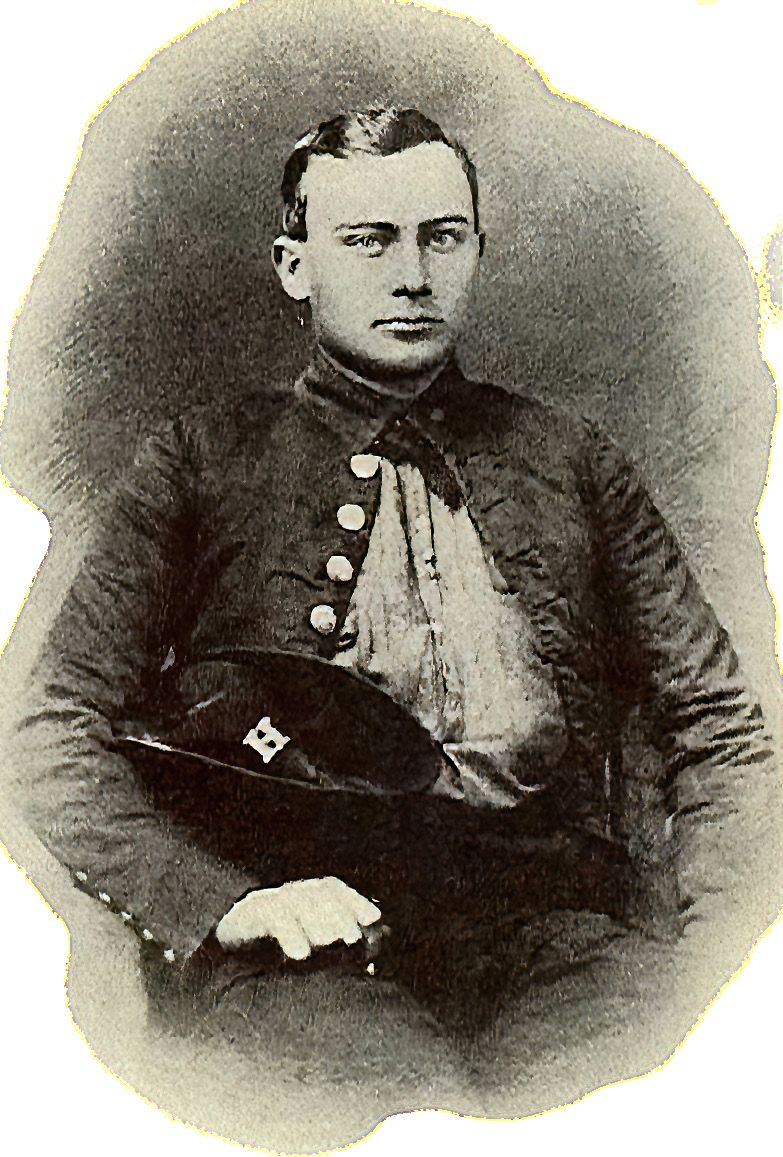
WHITWORTH RIFLE ACCOUNTS by Samuel R. Watkins
“Co. Aytch”: Maury Grays, First Tennessee Regiment, Or, a Side Show of the Big Show (1882)
In his classic memoir, Company Aytch (1882), the First Tennessee veteran Sam Watkins recalled a shooting competition near the Army of Tennessee’s winter camp around Dalton, Ga., in the early months of 1864. TARGET SHOOTING. By some hook, or crook, or blockade running, or smuggling, or Mason and Slidell, or Raphael Semmes, or something of the sort, the Confederate States government had come in possession of a small number of Whitworth guns, the finest long range guns in the world, and a monopoly by the English government. They were to be given to the best shots in the army. One day Captain Joe P. Lee and Company H went out to shoot at a target for the gun. We all wanted the gun, because if we got it we would be sharpshooters, and be relieved from camp duty, etc. All the generals and officers came out to see us shoot. The mark was put up about five hundred yards on a hill, and each of us had three shots. Every shot that was fired hit the board, but there was one man who came a little closer to the spot than any other one, and the Whitworth was awarded him; and as we just turned round to go back to camp, a buck rabbit jumped up, and was streaking it as fast as he could make tracks, all the boys whooping and yelling as hard as they could, when Jimmy Webster raised his gun and pulled down on him, and cut the rabbit’s head entirely off with a minnie ball right back of his ears. He was about two hundred and fifty yards off. It might have been an accidental shot, but General Leonidas Polk laughed very heartily at the incident, and I heard him ask one of his staff if the Whitworth gun had been awarded. The staff officer responded that it had, and that a certain man in Colonel Farquharson’s regiment—the Fourth Tennessee—was the successful contestant, and I heard General Polk remark, “I wish I had another gun to give, I would give it to the young man that shot the rabbit’s head off.”
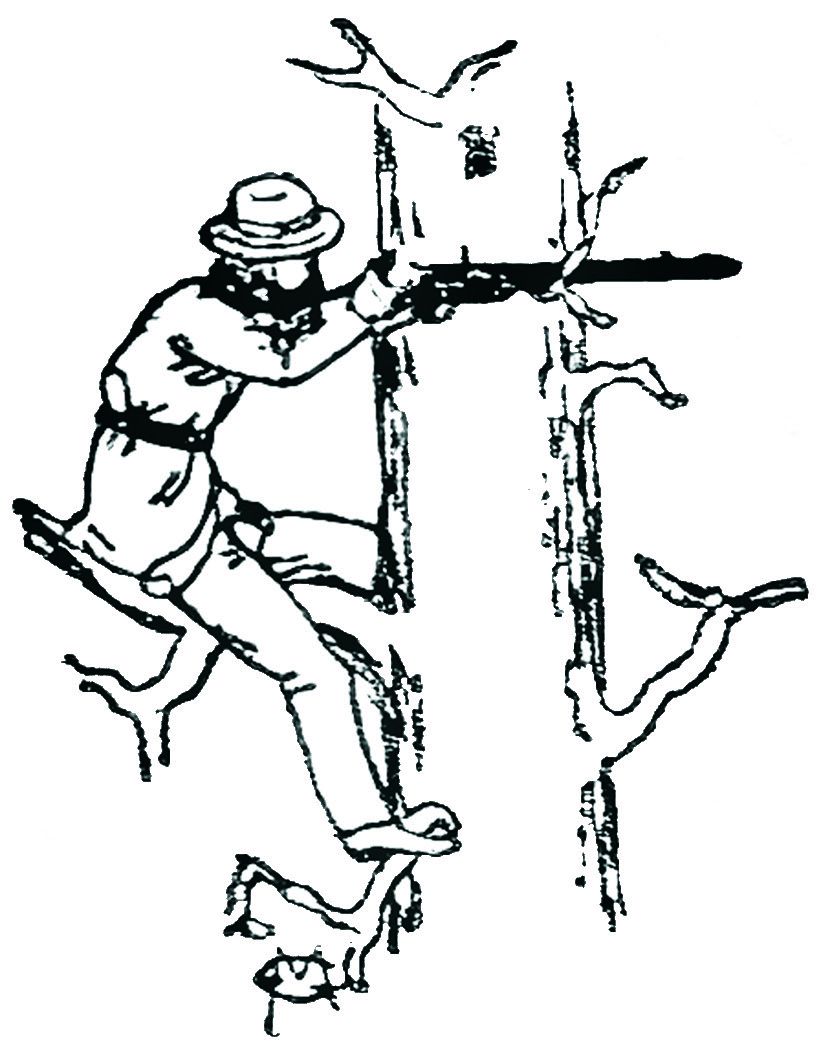
the finest shots in it the world ever produced. For instance, George and Mack Campbell, of Maury county ; Billy Watkins, of Nashville, and Colonel H. R. Field, and many others, who I cannot now recall to mind in this rapid sketch. [Pages 121-122] ROCKY FACE RIDGE. When I got back to Dalton, I found the Yankee army advancing; they were at Rocky Face Ridge. Now, for old Joe’s generalship. We have seen him in camp, now we will see him in action. We are marched to meet the enemy ; we occupy Turner’s Gap at Tunnel Hill. Now, come on, Mr. Yank—are keen for an engagement. It is like a picnic ; the soldiers are ruddy and fat, and strong; whoop ! whoop ! hurrah ! come on, Mr. Yank. We form line of battle on top of Rocky Face Ridge, and here we are face to face with the enemy. Why don’t you unbottle your thunderbolts and dash us to pieces? Ha! here it comes; the boom of cannon and the bursting of a shell in our midst. Ha! ha! give us another blizzard ! Boom! boom! That’s all right, you ain’t hurting nothing. “Hold on, boys,” says a sharpshooter, armed with a Whitworth gun, “I’ll stop that racket. Wait until I see her smoke again.” Boom! boom! the keen crack of the Whitworth rings upon the frosty morning air ; the cannoneers are seen to lie down ; something is going on. “Yes, yonder is a fellow being carried off on a litter.” Bang! bang! goes the Whitworth, and the battery is seen to limber to the rear. What next? a yell! What does this yell mean? A charge right up the hill, and a little sharp skirmish for a few moments. We can see the Yankee line. They are resting on their arms. The valley below is full of blue coats, but a little too far off to do any execution… [Page 128] HOW I GET BACK TO ATLANTA …We used to count from the time we would see the smoke boil up until we would hear the noise, and some fellow would call out, “Look out boys, the United States is sending iron over into the Southern Confederacy; let’s send a little lead back to the United States.” And we would blaze away with our Enfield and Whitworth guns, and every time we would fire, we would silence those parrot [Parrott] guns. This kind of fun was carried on for forty-six days. [Pages 181-182]
None of our regiment got a Whitworth, but it has been subsequently developed that our regiment had some of
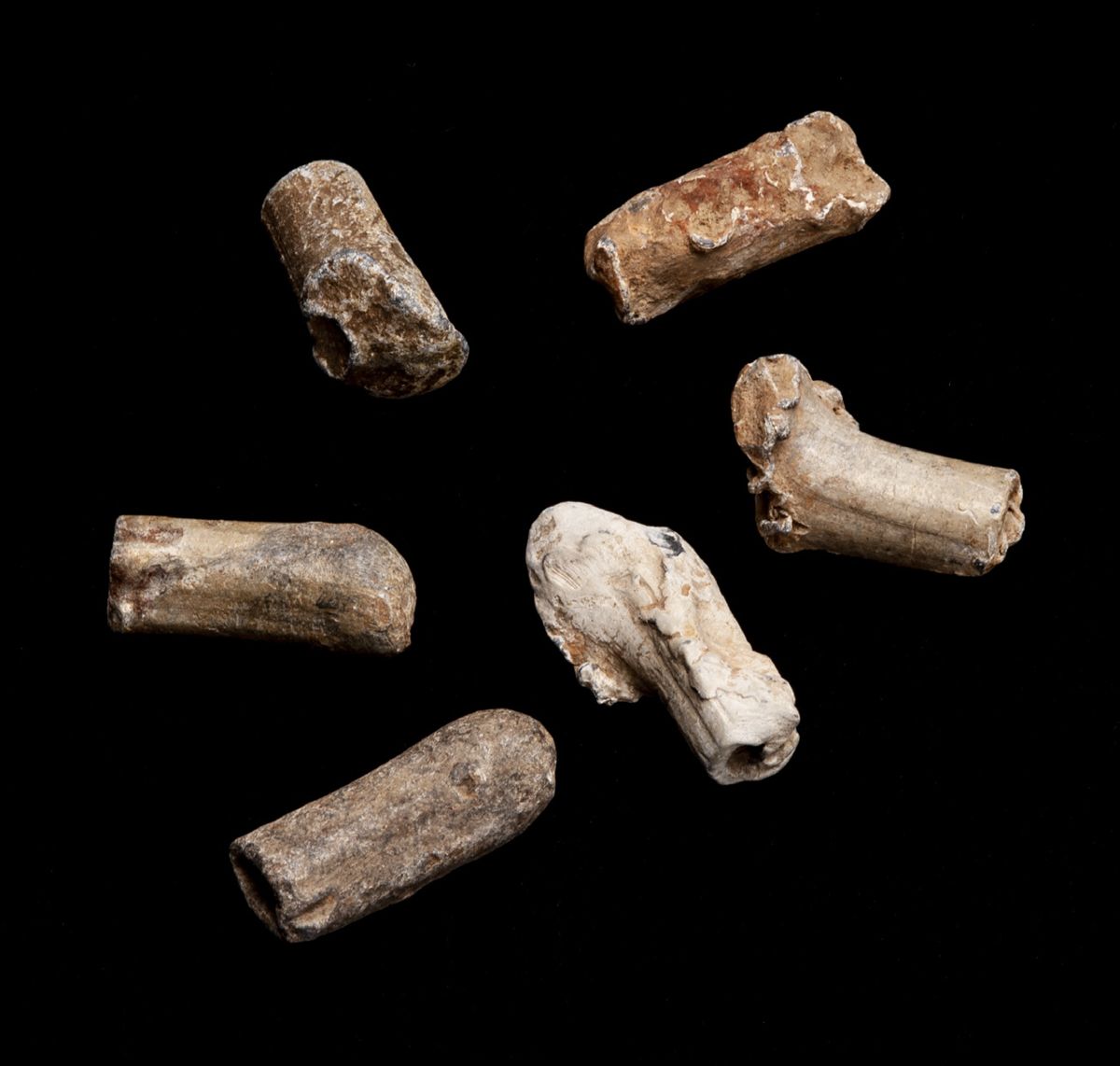
WHITWORTH BULLETS RECOVERED FROM AN ARMY OF TENNESSEE SHOOTING COMPETITION NEAR DALTON, GEORGIA (1864) In the 1980’s, a local relic hunter located the target site for Sam Watkins account of the competition on a small hilltop northwest of Dalton, where he found six hexagonal and thirty cylindrical Whitworth bullets, including the ones seen here. The fired bullets were supposed to have been recovered and returned to the arsenals to be melted down and recast, but these were left behind. The Whitworth hexagonal-bore rifle was designed for a lead bullet of the same hexagonal shape as the bore. It was found that elongated cylindrical bullets, which were much simpler to make, worked just as well, their hollow bases expanding to take the rifling. Each Confederatepurchased rifle was supposed to come with one thousand rounds of ammunition, but it is likely that sharpshooters also cast their own when supplies ran low.
(Artifacts and caption text courtesy the Atlanta History Center)
WHITWORTH SHARPSHOOTERS
These additional Whitworth riflemen and their original units were compiled from Confederate veteran’s accounts found in various journals and newspapers. This list is not complete. Private Walter L. Bragg was in Co. H, 6th Regiment Arkansas Infantry. He enlisted July 26, 1861, at Pocahontas, Ark. Wounded Dec. 31, 1862, at Murfreesboro, Tenn. He was in the Macon, Ga., hospital during Aug. 6-11, 1864. He was paroled in Greensboro, N.C., after April 28, 1865, when he was shown as a private in Co. D, 1st Consolidated Regiment, Arkansas Volunteers.
from Clark County in 1915 (Pension #22297 approved Aug. 13, 1915). Private Walter A. Norris, enlisted in Co. B, the Clark County Volunteers, of (Colquitt’s) 1st Arkansas Infantry. When he was paroled at Greensboro, N.C., he was listed as a sharpshooter in Co. A., 1st Consolidated Regiment Arkansas Infantry.
Corporal Stan C. Harley, Co. C, 6th Regiment Arkansas Infantry enlisted July 26, 1861, at Pocahontas, Ark. He was a member of Captain Cameron’s Company, Dallas Rifles.
Private Lycurgus A. Sallee, enlisted in Co. C, “The Camden Knights of Ouachita County,” 1st Arkansas Infantry, May 8, 1861, at Camden, Ark. He was then 32 years old and employed as a clerk. The unit was mustered into Confederate service May 19, 1861, at Lynchburg, Va. He is shown as being on duty with the division sharpshooters Aug. 31, 1864. He was paroled about April 28, 1865, at Greensboro, N.C.
Private James M. Grizzle enlisted July 26, 1861, at Pocahontas, Ark. He was promoted to sergeant in Co. H, 6th Regiment Arkansas Infantry. This was Captain Echol’s Company, the “Yellow Jackets.”
Private John C. Knox enlisted in Co. B, Clark County Volunteers, (Colquitt’s) 1st Arkansas Infantry. In an 1862 muster, he is shown as being in Co. I. He was promoted to Corporal around October 1863.
Private Charles Trickett, enlisted in Company B, the Clark County Volunteers, (Colquitt’s) 1st Arkansas Infantry at Little Rock, Ark., May 8, 1861. He was wounded at Chickamauga, Sept. 20, 1863. On Aug. 10, 1864, he was entered on the Roll of Honor for his performance at Chickamauga. He served to the end of the war, and surrendered at Greensboro, N.C., April 26, 1865. He was listed in the 1860 as living in Clark County, Ark., as having been born in Illinois ca 1839. He died in Arkansas, Nov. 14, 1916. He was by occupation a painter. Trickett applied, and was approved, for a pension
Private George G. Decker was assigned to Co. F, 8th Arkansas Infantry. The few surviving records show him as being sick much of the time.
Privates James Lane, 15th Arkansas Infantry, and Henry Harrison 16th Alabama Infantry, were only identified by their name and regiment. Private Jim Moore was identified only by his name and state of Tennessee.
C 334 25, 1908. While still a boy he moved with his parents to Springfield, in southwest Missouri, and in 1857 struck out on his own to Bonham, in northeast Texas. When war broke out in 1861, 24-year old Ingram returned to Springfield, Mo., to enlist with his friends in Company F, 3rd Missouri Infantry Regiment, Colonel Francis Cockrell Commanding, in Major General Sterling Price’s Confederate Army of Southwest Missouri. After the surrender of Vicksburg on July 4th, 1863, Ingram and the 3rd Missouri were paroled, not to fight again until exchanged.
C Charles Thomas Ingram.
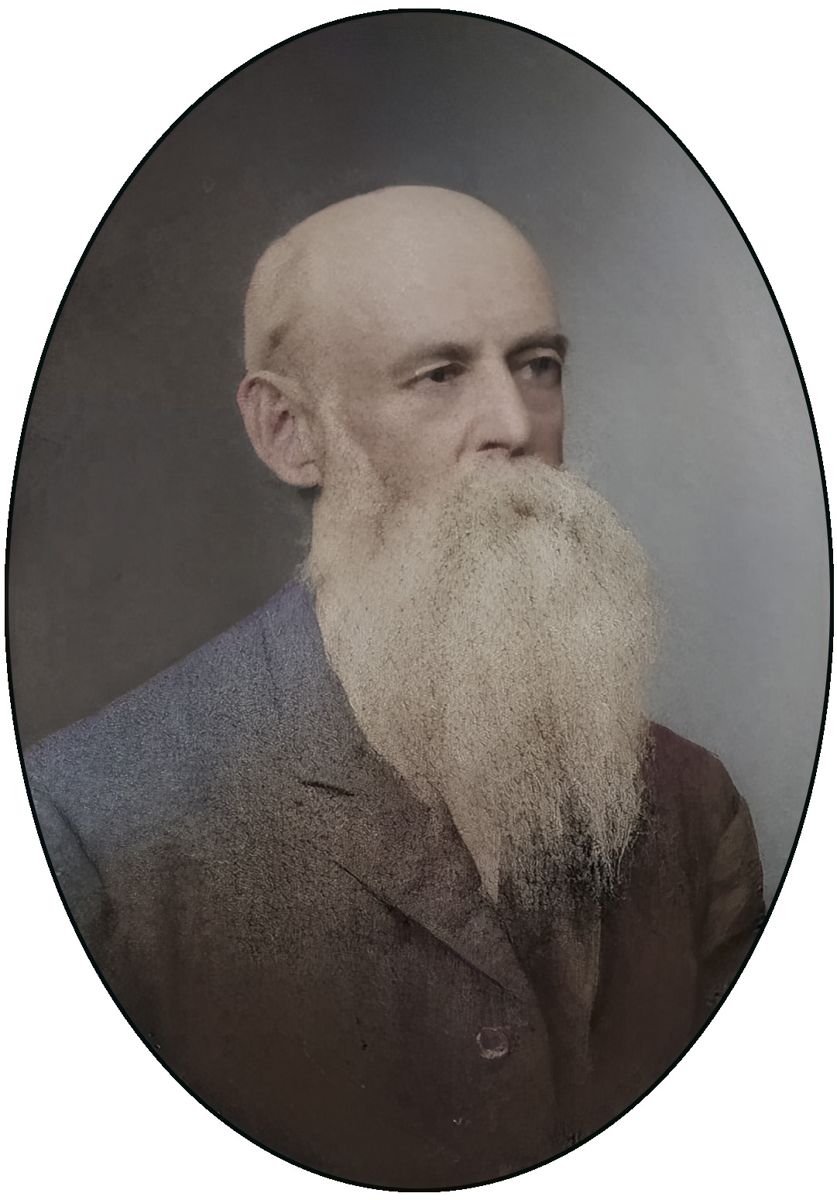
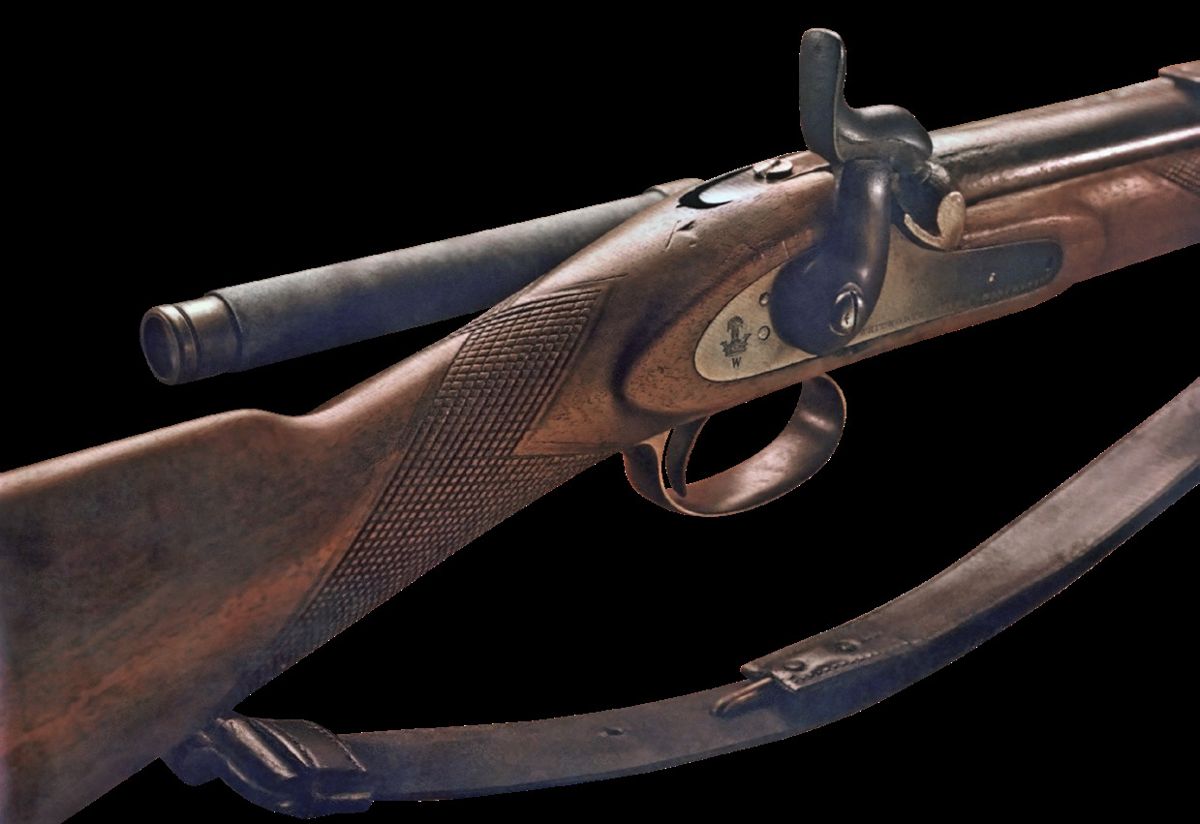
harles Thomas Ingram fought in seventeen major battles and in every campaign of the western armies yet was never wounded. He refused many offers of promotion because he loved his assignment as a sharpshooter with his deadly British made Whitworth sharpshooter rifle. Ingram, son of John C. and Maria Ingram, was born in Virginia, Nov. 16, 1838, and died in Durant, Okla., Jan.
(Photographs courtesy of the 45th Infantry Division Museum)
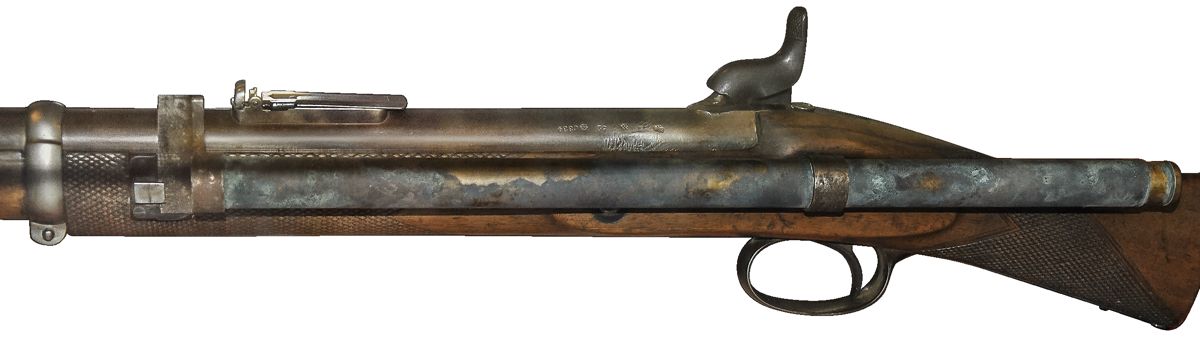
After their exchange in September 1863, the 3rd Missouri Regiment again became a part of the Missouri Brigade, now with a Brigadier General Cockrell in command. They received new rifles, uniforms, and flags, and were attached to Bishop Polk’s Corps, Confederate Army of Tennessee, under command of General Joseph E. Johnston. Private Ingram, now a veteran of nine major battles, was a good soldier and a crack shot, so he received a designation as a sharpshooter and was issued one of the new British Whitworth rifles equipped with a Davidson telescope sight. Major General Patrick Cleburne, commander of all sharpshooters in the Army of Tennessee, gave Ingram a roving assignment, which meant that he was not to be enrolled in any company and was free to go anywhere on the battlefield and pick his own targets. Ingram did his deadly work in most of the battles of the 1864 Atlanta Campaign. Ingram, now 28 years old, with his only property being a military rifle and a stolen U.S. army horse, made his way back to his pre-war home in Bonham, Texas. On his way from Mobile to Texas, Ingram was technically an armed deserter and if he had been captured by a U.S. army patrol, he would have been executed. Ingram prospered in the mercantile business and in 1870 married Mary O. Stone, and to that union was born four children. In 1897 he and his family
(Photographs courtesy of the 45th Infantry Division Museum)
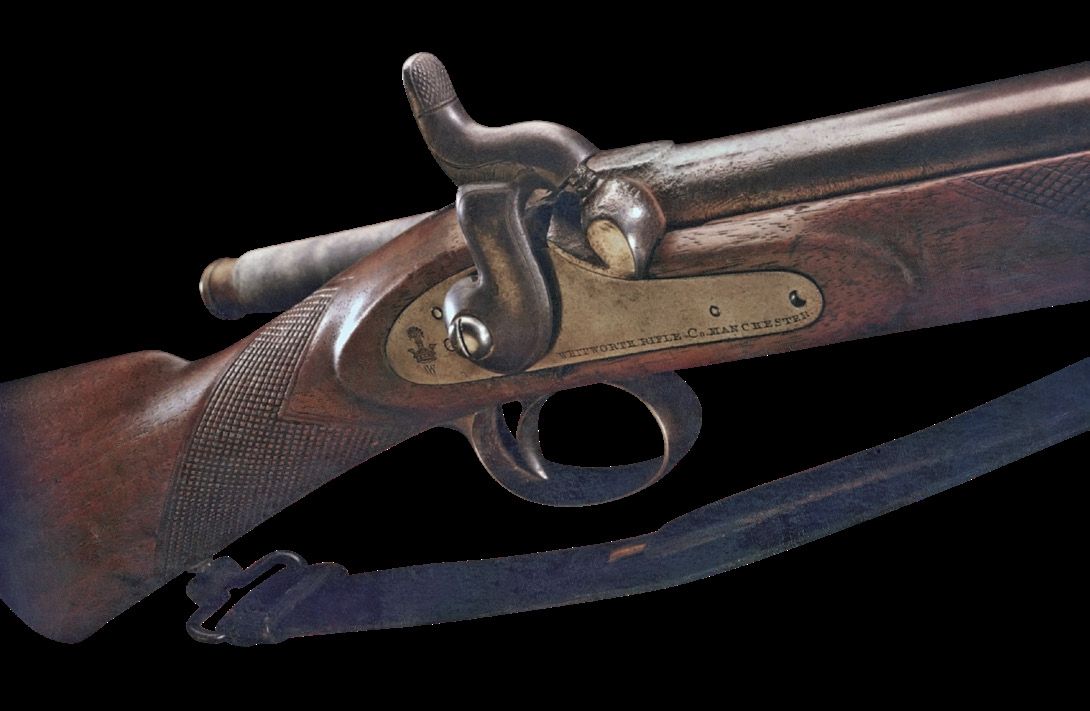
C 334 moved to Durant in the Choctaw Nation where he engaged in the banking business. Ingram, while a soldier of the South, never surrendered this deadly rifle, with which, no doubt, he killed or wounded many of his country’s enemies. This rifle is one of the rarest and best documented weapons to survive the War Between the States. (Courtesy 45th Infantry Division Museum)
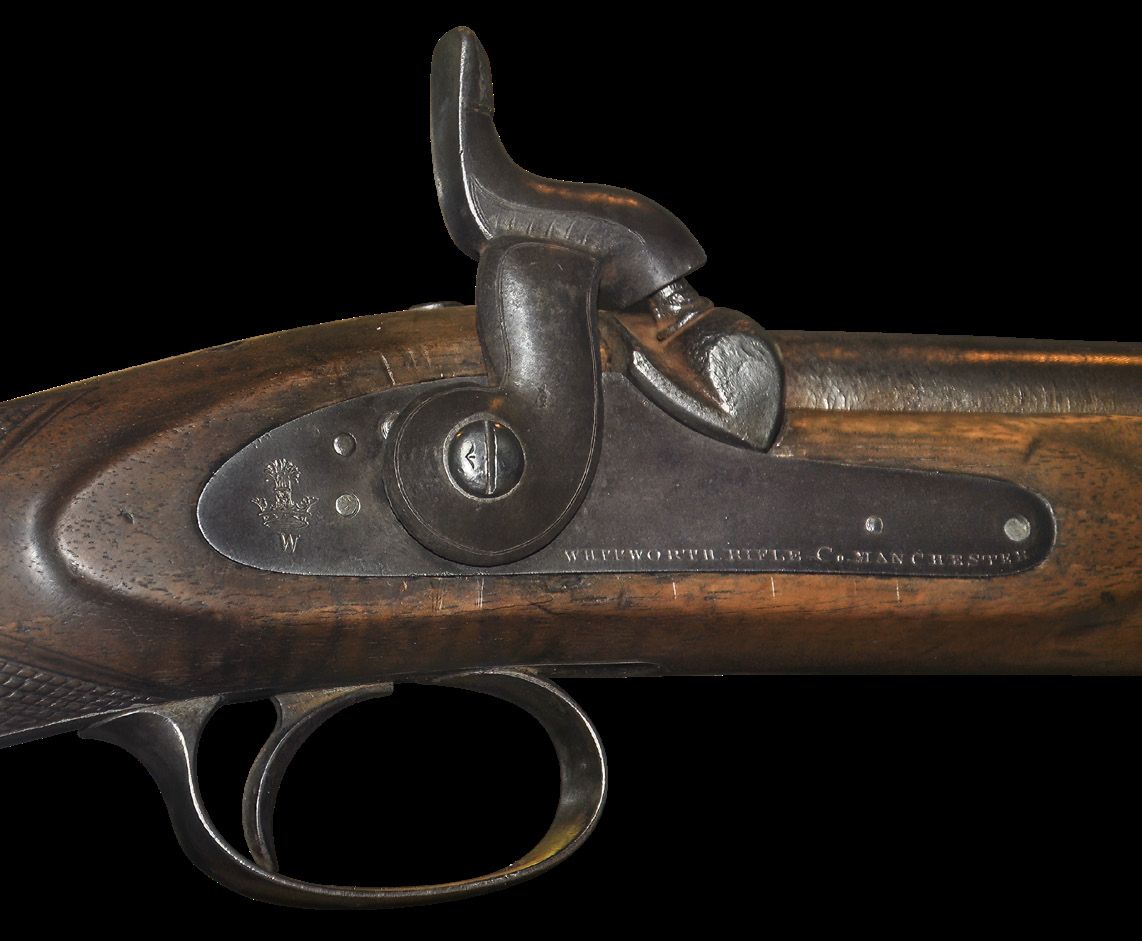
Lock area of C 334 marked forward of the hammer Whitworth Rifle Co. Manchester. To the rear of the hammer is the Whitworth trademark, a sheaf of wheat over a crown over W.
Charles T. Ingram carried Whitworth rifle C 334 during the Civil War. The Bryan County Democrat (Durant, Oklahoma), Friday, March 27, 1908, page 1.
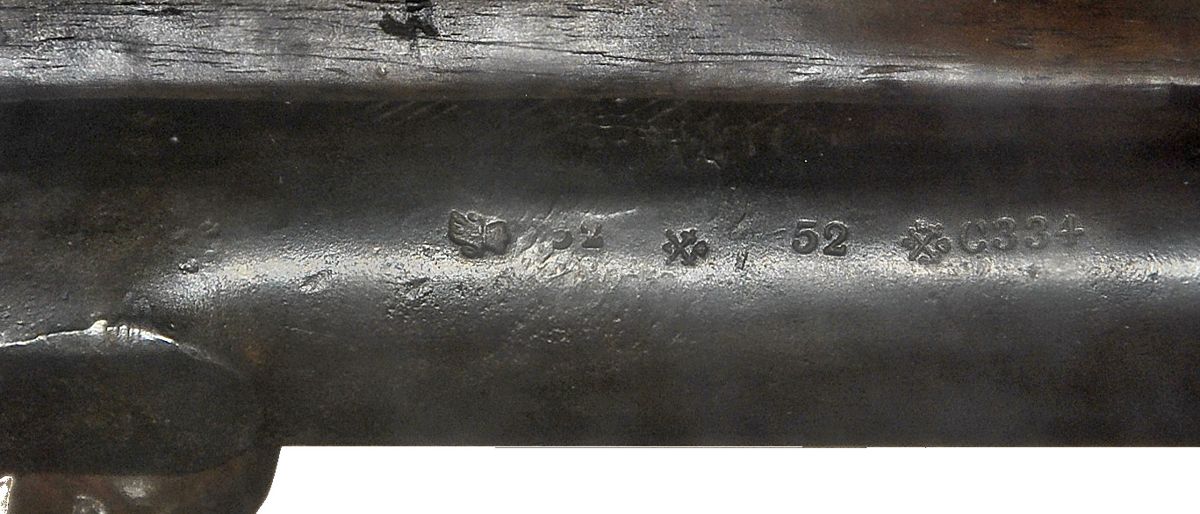
Stamps on the breech end of the barrel are British proof marks, 52 (52 bore) and SN C334.
Original brass tube Davidson style telescopic scope. (Photographs courtesy Gordon Jones)
MORE IDENTIFIED WHITWORTH SHARPSHOOTER’S SERVICE RECORDS
Private Thomas J. McCray, Company H, 1st Regiment Arkansas Mounted Rifles. Remarks read: “Detailed for Whitworth S.S. Division on Descriptive List. $72.” (All records, Fold3.com)